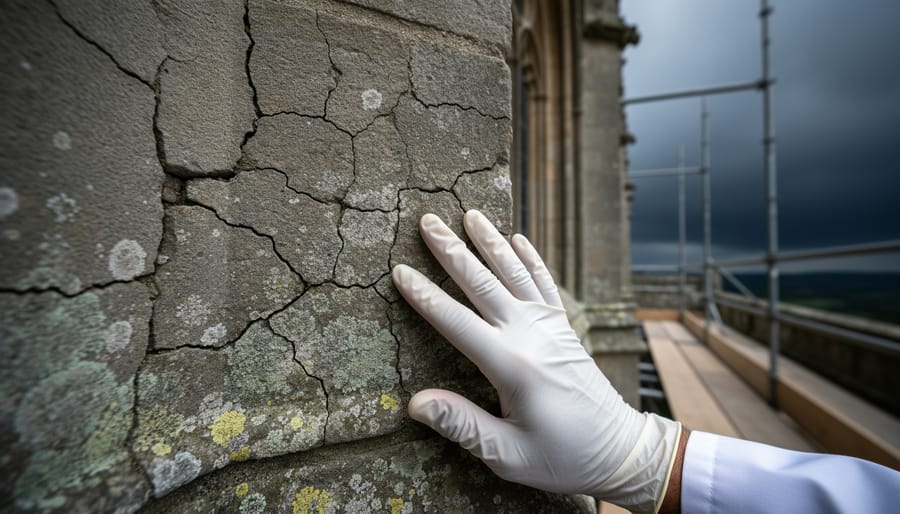
Climate change is accelerating the deterioration of stone heritage at unprecedented rates. Historic buildings, monuments, and architectural treasures that have endured centuries now face intensified threats from extreme weather events, increased moisture cycles, freeze-thaw damage, salt crystallization, and biological colonization. For conservation professionals and property owners, the challenge is clear: traditional preservation approaches must evolve to address these rapidly changing environmental conditions.
Stone structures respond differently to climate stressors depending on their geology, porosity, and existing condition. Limestone and sandstone, for instance, prove particularly vulnerable to acid rain and moisture penetration, while granite withstands many impacts but remains susceptible to thermal stress from temperature extremes. Understanding these material-specific vulnerabilities forms the foundation of effective adaptation planning.
The economic and cultural stakes are significant. Heritage stone buildings represent irreplaceable historical records and substantial property values, yet many lack adequate protection against accelerating climate impacts. Without proactive intervention, decades of deterioration can occur within years.
Successful adaptation requires a systematic approach: comprehensive condition assessments identifying climate vulnerabilities, selection of compatible materials and methods that respect historic fabric, implementation of preventive conservation measures, and establishment of regular monitoring protocols. This framework balances preservation principles with practical resilience, enabling stone heritage to withstand future climate challenges while maintaining authenticity and historical integrity. The strategies outlined here provide actionable guidance for protecting these invaluable structures through evidence-based, climate-responsive conservation practices.
Why Stone Heritage Faces Unprecedented Climate Threats
The Science Behind Stone Deterioration
Climate change accelerates stone degradation through multiple interconnected mechanisms that affect both historic monuments and contemporary stone installations. Understanding these processes is essential for developing effective protection strategies.
Temperature fluctuations pose one of the most significant threats to stone integrity. As temperatures swing between hot and cold, stone materials expand and contract at different rates depending on their mineral composition. This thermal stress creates microfractures that gradually weaken the stone matrix. In urban environments, these fluctuations can occur multiple times within a single day, compounding the damage over years.
Weathering and deterioration intensifies dramatically when moisture enters these microfractures. Increased precipitation patterns linked to climate change mean more water infiltration into stone surfaces. When temperatures drop below freezing, this trapped water expands by approximately nine percent, exerting tremendous pressure on surrounding stone. This freeze-thaw cycle can dislodge entire sections of material, a process called spalling.
Salt crystallization presents another destructive force. Rising groundwater and increased humidity transport soluble salts into stone pores. As these salts crystallize and grow, they generate expansion pressures similar to freeze-thaw damage, causing surface scaling and subsurface deterioration.
Extreme weather events compound these gradual processes with acute damage. Heavy rainfall can cause sudden thermal shock when cold water contacts sun-warmed stone. Wind-driven rain forces moisture deeper into stone structures, while severe storms may cause physical impact damage from debris.
These mechanisms rarely work in isolation. Instead, they create cascading effects where initial damage from one process makes stone more vulnerable to others, accelerating the overall rate of deterioration beyond historical patterns.
Real-World Examples of Climate Damage
Climate change is already causing measurable damage to historic stone structures worldwide, with visible deterioration accelerating in recent decades. These real-world examples demonstrate the urgent need for proactive adaptation strategies.
The Parthenon in Athens has experienced increased marble surface erosion due to more frequent acid rain events and extreme temperature fluctuations. Conservators documented surface recession rates doubling over the past 30 years, with characteristic sugaring of the marble surface becoming more pronounced. The ancient Pentelic marble now shows visible granular disintegration that threatens carved details and structural integrity.
Venice’s San Marco Basilica faces compounding climate threats from rising sea levels and increased flooding frequency. The historic Istrian limestone and marble facades show salt crystallization damage extending higher up the walls as tidal surges become more common. Recent monitoring revealed moisture penetration reaching unprecedented depths, causing detachment of decorative stone elements.
Britain’s York Minster Cathedral exemplifies limestone vulnerability to changing precipitation patterns. The Magnesian limestone exterior has developed extensive biological growth and accelerated erosion in previously stable areas. Conservation teams observed that winter freeze-thaw cycles now occur more frequently, creating new crack patterns and spalling that require emergency interventions.
The Taj Mahal’s white marble surfaces are experiencing discoloration and weakening from increased air pollution combined with extreme heat events. Surface temperatures now regularly exceed thresholds that accelerate chemical weathering, while monsoon patterns have become more unpredictable, causing thermal shock damage.
These documented cases underscore how climate-related deterioration manifests differently across stone types and geographic regions, requiring tailored adaptation approaches for each heritage site’s specific vulnerabilities and environmental conditions.
Assessment: Understanding Your Stone’s Vulnerability
Stone Types and Their Climate Sensitivities
Natural stone varieties demonstrate remarkably different responses to climate-related stressors, making material selection a critical component of any climate adaptation strategy. Understanding these sensitivities helps property owners and architects make informed decisions for both restoration projects and new installations.
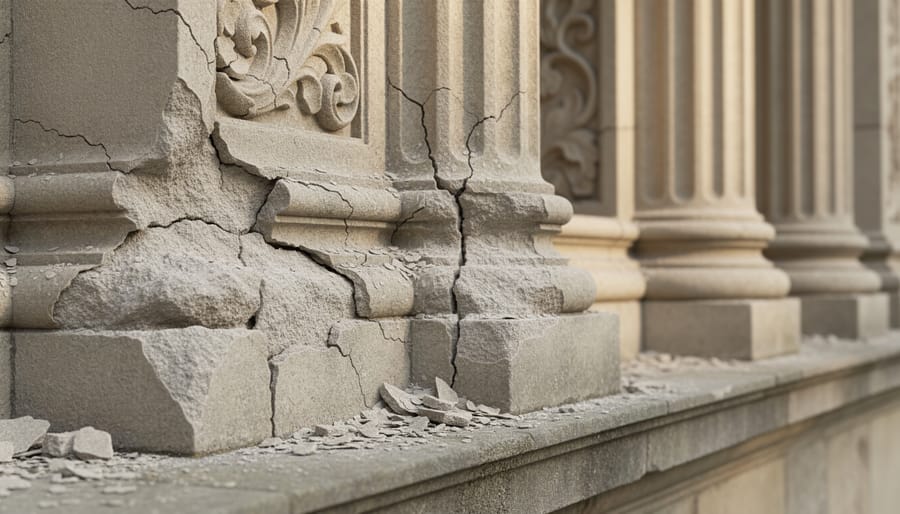
Marble and limestone, both calcium carbonate-based stones, share similar vulnerabilities. These materials are particularly susceptible to acid rain, which has intensified in many regions due to changing atmospheric conditions. When exposed to acidic precipitation, these stones undergo chemical dissolution, resulting in surface erosion, loss of carved details, and structural weakening over time. Limestone’s porous nature also makes it prone to freeze-thaw damage in regions experiencing more frequent temperature fluctuations around freezing point.
Granite demonstrates superior resistance to most climate stressors due to its dense crystalline structure and low porosity. This igneous stone withstands acid rain effectively and resists water absorption, making it highly durable in wet climates. However, granite can still experience thermal stress cracking when subjected to extreme temperature variations, particularly in regions seeing increased heat waves.
Sandstone presents the most variable climate response, depending heavily on its mineral composition and cementing materials. Generally porous, sandstone readily absorbs moisture, making it vulnerable to salt crystallization damage in coastal areas and freeze-thaw cycling in temperate climates. Some varieties deteriorate rapidly under persistent wet conditions, developing problematic biological growth including algae and lichens that accelerate surface degradation through both physical and chemical processes.
Conducting a Climate Vulnerability Audit
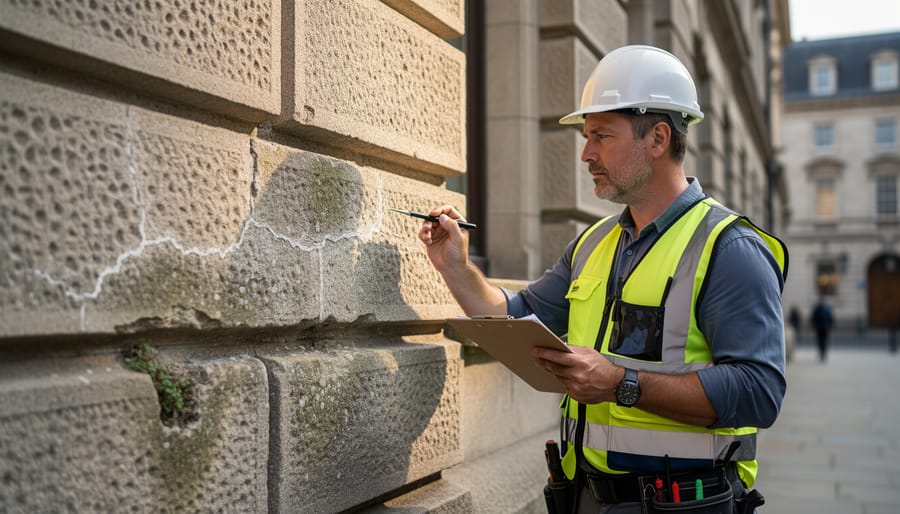
Assessing your stone structure’s vulnerability to climate change begins with a systematic evaluation that documents current conditions and identifies potential risks. Start by creating a comprehensive photographic record of your building’s exterior and interior stonework, noting any existing damage such as cracks, discoloration, spalling, or biological growth. Document the orientation of each facade, as south and west-facing walls typically experience greater thermal stress and moisture exposure.
Next, gather historical climate data for your region and compare it with projected changes over the next 20-50 years. Focus on four key factors: increased precipitation intensity, freeze-thaw cycle frequency, temperature extremes, and humidity fluctuations. Local meteorological offices and climate adaptation resources often provide this information free of charge.
Conduct a moisture assessment by examining areas prone to water infiltration—around windows, doors, roof lines, and ground-level stonework. Use a moisture meter to establish baseline readings during different seasons, as moisture patterns vary significantly throughout the year. Pay special attention to areas where water pools or drainage appears inadequate.
Evaluate your stone type’s specific vulnerabilities. Porous sandstones and limestones are particularly susceptible to freeze-thaw damage and salt crystallization, while granites typically resist weathering better but may suffer from thermal expansion issues. Consider consulting with a geological expert or conservation professional to identify your specific stone variety and its characteristic weaknesses.
Finally, compile your findings into a vulnerability matrix that ranks risks by severity and likelihood, creating a prioritized action plan for implementing protective measures.
Proven Adaptation Strategies for Stone Protection
Water Management and Drainage Solutions
Effective water management stands as the cornerstone of protecting stone heritage from accelerating climate damage. As precipitation patterns become more erratic and intense rainfall events increase in frequency, traditional drainage systems often prove inadequate for modern conditions.
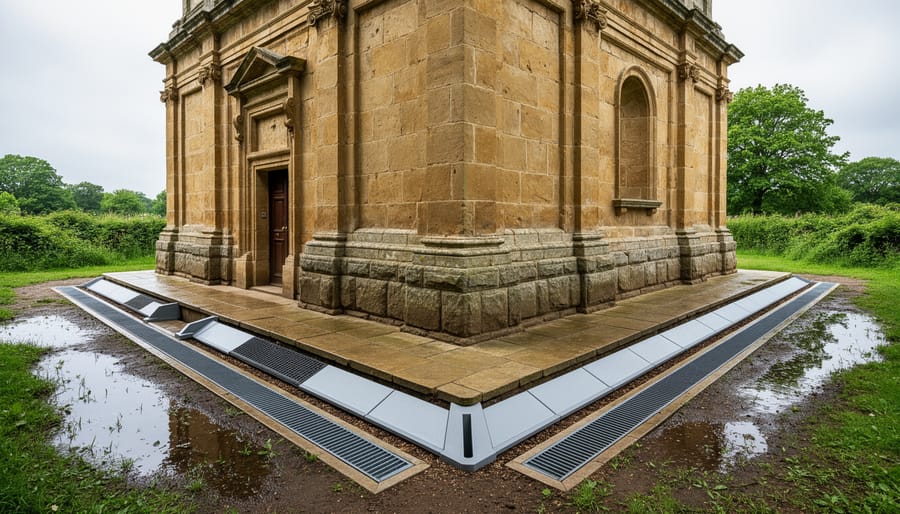
Modern drainage solutions begin with comprehensive site assessment. Professionals should evaluate how water flows across and around stone structures, identifying pooling areas, inadequate runoff paths, and failed historical drainage features. Installing French drains, channel drains, and properly graded surfaces directs water away from building foundations and vulnerable masonry. For historic properties, these interventions must respect original construction while meeting contemporary performance standards.
Surface treatments offer another layer of protection against moisture intrusion. Water-repellent treatments, particularly breathable silane and siloxane formulations, create a hydrophobic barrier that sheds rainwater while allowing interior moisture to escape. These treatments prove especially valuable for porous limestone and sandstone that readily absorb water. Application requires careful consideration of stone type, existing treatments, and compatibility with historical materials. Professionals should conduct small-scale testing before treating entire facades.
Vapor management addresses the often-overlooked issue of moisture movement within stone assemblies. Rising damp, condensation, and trapped moisture can cause deterioration from within, particularly as temperature fluctuations intensify. Solutions include installing vapor barriers where appropriate, improving ventilation in wall cavities, and using lime-based mortars that allow moisture migration without trapping it. Physical damp-proof courses can be retrofitted into historic masonry using specialized techniques that minimize structural disruption.
Regular maintenance of gutters, downspouts, and surface drainage channels prevents small problems from escalating into major conservation issues. Climate adaptation requires viewing water management as an integrated system rather than isolated fixes, combining passive design principles with active monitoring to ensure long-term stone preservation.
Microclimate Control and Shading
Creating favorable microclimates around stone heritage structures helps buffer them against temperature extremes, moisture fluctuations, and accelerated weathering. Strategic interventions can significantly reduce thermal stress while preserving the authentic character of historic buildings.
Thoughtfully positioned vegetation provides natural shading and evaporative cooling. Deciduous trees planted on southern and western exposures shade stone facades during intense summer heat while allowing beneficial winter sun penetration after leaves drop. Maintain adequate clearance—typically 10-15 feet—to prevent moisture retention and biological growth on stone surfaces. Avoid planting aggressive species with invasive root systems that could compromise foundations.
Architectural shading solutions offer precise control over solar exposure. Retractable awnings, pergolas, and louvered systems protect vulnerable south-facing walls and decorative elements without permanently altering historic appearance. Traditional shutters and brise-soleil designs, when historically appropriate, provide adjustable protection while enhancing natural ventilation. These interventions prove particularly valuable for ornate carvings and relief work susceptible to thermal cycling damage.
Improving air circulation reduces harmful moisture accumulation and moderates temperature swings. Strategic placement of vents, controlled openings, and passive ventilation systems allows moisture to escape before condensation occurs. In courtyards and confined spaces, consider incorporating wind towers or stack ventilation principles adapted to heritage contexts.
When implementing microclimate strategies, consult with conservation professionals to ensure interventions respect historical integrity. Document baseline conditions through thermal imaging and monitor temperature and humidity changes post-installation. This data-driven approach validates effectiveness while informing future adaptation decisions for similar heritage assets.
Protective Coatings and Consolidants
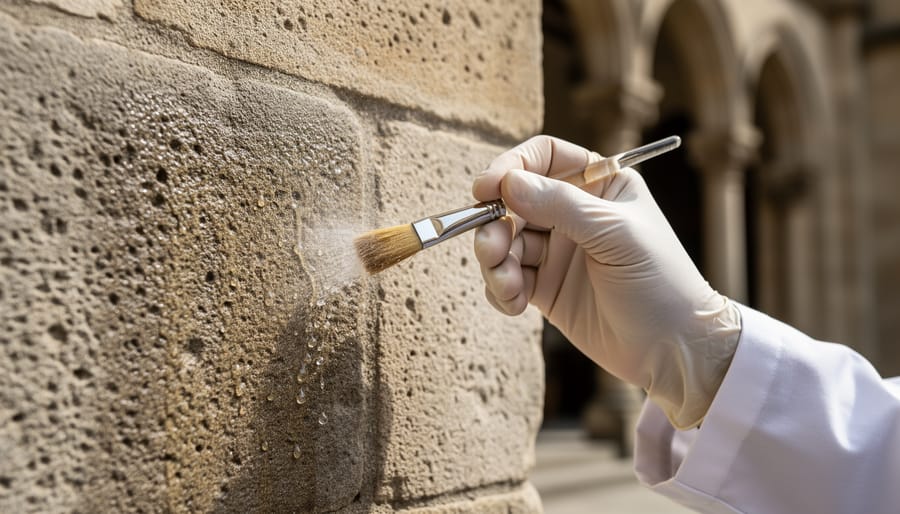
Modern protective coatings and consolidants represent a critical advancement in defending historic stone against intensifying climate challenges. These specialized treatments strengthen deteriorating stone while maintaining the material’s essential ability to breathe—a balance that separates effective conservation from well-intentioned damage.
Silane and siloxane-based water repellents create hydrophobic barriers that shed rainfall and reduce moisture absorption, the primary culprit behind freeze-thaw damage and salt crystallization. Unlike older sealants that trap moisture inside stone, contemporary formulations allow water vapor to escape while blocking liquid water entry. This breathability prevents subsurface moisture buildup that can cause spalling and structural failure during temperature fluctuations.
Consolidants work differently by penetrating deep into weakened stone to rebind disaggregated material. Ethyl silicate consolidants chemically bond with limestone and sandstone, restoring mechanical strength without altering appearance or creating impermeable layers. These products prove particularly valuable for powdering surfaces and delaminating stone facing deteriorated by acid rain and pollution.
Application requires careful material analysis and environmental timing. Stone type, porosity, existing moisture content, and weathering patterns all influence product selection and performance. Professional application during optimal temperature and humidity conditions ensures proper penetration and curing. Many modern stone preservation methods now incorporate nanotechnology formulations that provide enhanced protection at the molecular level while remaining virtually invisible.
Reapplication cycles typically range from 5 to 15 years depending on exposure severity, making protective treatments a cost-effective long-term strategy for climate adaptation. Regular monitoring ensures treatments continue performing as environmental stresses evolve.
Structural Reinforcement Techniques
Protecting historic stone structures from increasingly severe weather requires specialized reinforcement techniques that preserve architectural integrity while enhancing resilience. Modern structural engineers employ discreet support systems that work invisibly within existing masonry, including stainless steel ties and carbon fiber reinforcement bars that add tensile strength without altering the building’s appearance.
Earthquake-resistant retrofitting has become essential in seismically active regions experiencing climate-related ground instability. Base isolation systems allow structures to move independently from ground motion, while internal bracing frameworks distribute stress loads more evenly throughout the masonry. These interventions typically involve minimal visual impact, inserted through small access points that are later sealed to match original stonework.
Buttressing and tie-rod systems offer proven solutions for walls showing signs of lateral movement or bulging. Engineers carefully calculate load paths and insert reinforcements at strategic points, often concealed within wall cavities or disguised as decorative elements. Advanced monitoring systems with sensors track structural movement in real-time, enabling preventive maintenance before critical failures occur.
For buildings facing increased wind loads from stronger storms, engineers may reinforce roof connections and parapet walls, ensuring these vulnerable elements remain securely anchored. Each intervention balances modern engineering principles with conservation ethics, maintaining the authentic character that makes these structures culturally significant.
Maintenance Protocols for a Changing Climate
Seasonal Inspection Checklists
Developing a seasonal maintenance schedule helps property owners anticipate and address climate-related vulnerabilities before they cause significant damage. Spring inspections should focus on identifying winter freeze-thaw damage, checking for cracks, spalling, and loose mortar joints while examining drainage systems for blockages from debris. This is also the ideal time to assess biological growth from increased moisture and plan necessary cleaning interventions.
Summer inspections prioritize evaluating the effects of intense UV exposure and heat stress, looking for surface discoloration, checking expansion joints, and monitoring moisture retention in shaded areas. Pay attention to signs of salt crystallization in coastal locations or areas with high pollution levels.
Fall preparation is critical for protecting stone structures before harsh winter conditions arrive. Inspect and clean gutters, verify that water-repellent treatments remain effective, and address any identified structural issues. Document baseline conditions using modern preservation technology like photogrammetry to track long-term changes.
Winter monitoring should focus on ice dam formation, snow load accumulation, and ensuring proper drainage continues functioning. While detailed hands-on inspection may be limited by weather, visual assessments can identify urgent issues requiring immediate intervention. Document all findings with photographs and maintain detailed records to identify patterns and inform future conservation strategies.
Early Intervention Techniques
Protecting stone heritage from climate impacts begins with vigilant observation and timely response. Property owners and maintenance teams should establish regular inspection schedules, examining stone surfaces after severe weather events and seasonal changes. Look for early warning signs like minor surface erosion, small cracks, or moisture staining that indicate developing problems.
Simple preventive measures can significantly extend stone lifespan. Clean blocked drainage systems immediately to prevent water accumulation against stone surfaces. Remove vegetation growth from joints and crevices before roots penetrate deeper into the masonry. Apply breathable water-repellent treatments to vulnerable areas, particularly on horizontal surfaces and weather-exposed facades, while ensuring these products allow moisture vapor to escape.
Address pointing failures promptly by repointing damaged mortar joints with compatible lime-based mortars that match the original material’s properties. This prevents water infiltration that accelerates freeze-thaw damage during winter months. Install simple monitoring devices like crack gauges on existing fissures to track movement patterns over time.
Document all interventions with photographs and written records, creating a maintenance history that informs future conservation decisions. These proactive steps, though modest in scope, prevent minor deterioration from escalating into costly structural repairs while preserving the authentic character of historic stonework.
Balancing Preservation and Adaptation
When to Call Conservation Professionals
While routine maintenance like gentle cleaning with pH-neutral solutions and vegetation removal can be handled by informed property owners, certain interventions demand specialized expertise. Engage conservation professionals when you observe structural movement, deep-seated salt efflorescence, biological colonization penetrating the stone matrix, or significant surface erosion exceeding 2-3mm depth. These conditions require diagnostic testing, including moisture mapping, salt analysis, and petrographic examination to identify root causes.
Professional intervention becomes essential for repointing historic masonry, as inappropriate mortar mixes can cause irreversible damage. Similarly, consolidation treatments, desalination procedures, and the application of water-repellent treatments require careful material selection and application protocols that only trained specialists can provide. Climate adaptation projects involving drainage modifications, microclimate adjustments, or structural reinforcement also necessitate expert assessment to avoid unintended consequences.
When climate-induced damage accelerates beyond surface-level issues or when planning comprehensive adaptation strategies, professional guidance ensures interventions align with conservation ethics while effectively protecting your stone heritage for future generations. Documentation and monitoring programs established by specialists provide invaluable baselines for ongoing climate resilience planning.
Climate change poses unprecedented challenges to our stone heritage, but proactive adaptation can preserve these irreplaceable structures for future generations. The strategies outlined in this article—from comprehensive condition assessments and enhanced drainage systems to protective treatments and regular monitoring—provide a practical roadmap for safeguarding historic stone buildings against intensifying weather patterns, temperature fluctuations, and moisture-related deterioration.
The key to successful adaptation lies in early intervention. Begin by conducting a thorough evaluation of your stone structure to identify existing vulnerabilities and potential climate risks specific to your location. Prioritize actions based on urgency and budget, understanding that even incremental improvements—such as improving water management or establishing a routine inspection schedule—can significantly reduce long-term damage.
Conservation professionals, property owners, and heritage managers all play vital roles in this effort. Leverage available resources, including local heritage organizations, conservation specialists, and established best practices documented in successful case studies. Remember that adaptation is an ongoing process requiring regular reassessment as climate conditions evolve. By taking informed action today, you invest in the resilience and longevity of our shared stone heritage, ensuring these architectural treasures withstand the challenges ahead while maintaining their historical integrity and cultural significance.