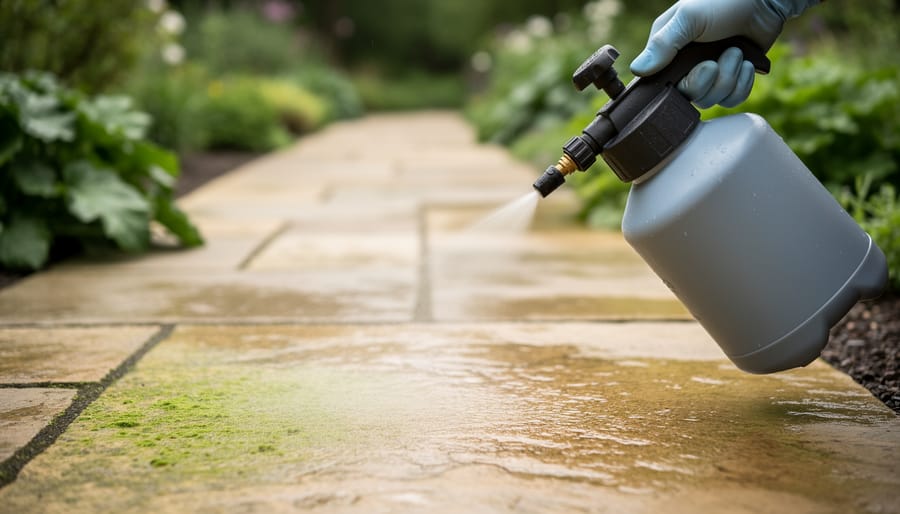
Biological solutions harness natural organisms and enzymes to break down organic growth on natural stone surfaces, offering a safer alternative to harsh chemical treatments. These products contain beneficial bacteria or natural compounds that digest algae, moss, lichen, and biofilm without damaging the stone’s surface or surrounding environment.
The science is straightforward: biological cleaners work by introducing microorganisms that consume the organic matter causing discoloration and deterioration. Unlike bleach or acidic cleaners that simply kill surface growth while potentially etching stone, biological treatments address the root cause by eliminating the food source that sustains biological growth. This approach aligns perfectly with chemical-free stone cleaning methods that protect both your investment and the environment.
Property owners managing limestone facades, marble patios, or granite monuments face recurring challenges with green staining and organic buildup. Traditional pressure washing provides temporary relief but often drives spores deeper into porous stone, accelerating future growth. Biological solutions penetrate the stone’s surface, targeting growth at the cellular level while remaining gentle on the material itself.
The effectiveness of biological treatments depends on understanding application timing, environmental conditions, and realistic expectations. Results typically appear within days to weeks, not hours, as the natural processes require time to work. This article explores how biological solutions function, when they’re most effective, and how to integrate them into a comprehensive stone maintenance program that preserves beauty while minimizing environmental impact.
What Makes a Solution ‘Biological’?
In the context of natural stone maintenance, a biological solution refers to treatment methods that harness natural processes, living organisms, or environmentally friendly compounds to address stone care challenges. Unlike conventional chemical cleaners that rely on harsh synthetic substances, biological solutions work in harmony with nature to achieve cleaning, preservation, and restoration goals.
These treatments typically fall into three categories: enzyme-based formulations that break down organic matter like algae and lichen, beneficial bacterial cultures that consume staining substances, and plant-derived compounds with natural cleaning properties. What sets them apart is their approach—rather than forcing a result through aggressive chemical action, biological solutions gently facilitate natural decomposition processes or leverage the inherent properties of organic compounds.
Traditional chemical cleaners often contain acids, bleaches, or solvents that can damage stone surfaces over time, strip away protective sealants, or leave harmful residues. In contrast, biological alternatives are designed to be pH-neutral or mild, reducing the risk of etching, discoloration, or structural degradation. They’re particularly valuable for sensitive stone types like marble, limestone, and travertine that react poorly to acidic treatments.
The growing popularity of biological solutions stems from several factors. Environmental regulations increasingly restrict harsh chemical usage, especially in public spaces and near waterways. Property owners are prioritizing sustainability and occupant health, seeking alternatives that don’t emit volatile organic compounds or require extensive safety precautions during application. Additionally, advances in biotechnology have made these solutions more effective and cost-competitive, proving that eco-friendly doesn’t mean compromising on results.
For stone maintenance professionals and property managers, biological solutions represent a paradigm shift—choosing methods that preserve both the stone and the surrounding environment for long-term sustainability.
Why Natural Stone Becomes a Growth Magnet
The Porosity Problem
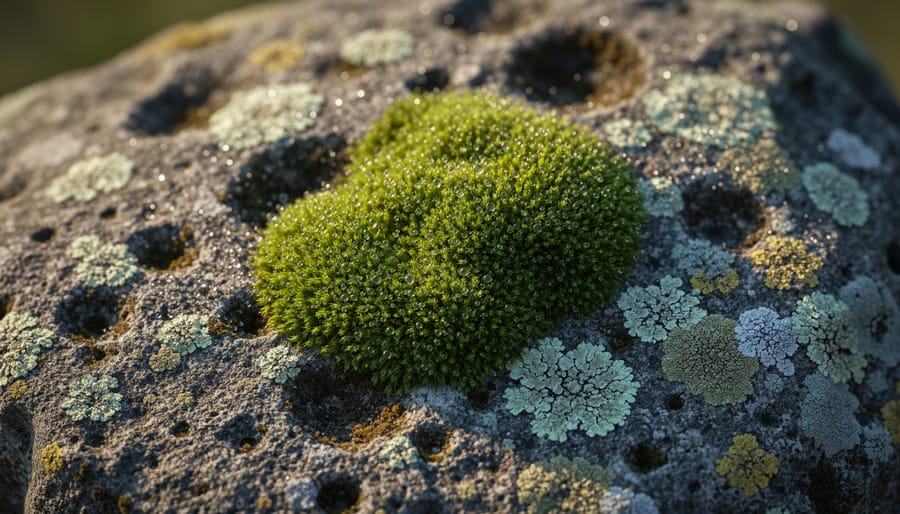
Not all natural stone surfaces face the same level of vulnerability to biological growth. The key factor determining susceptibility is porosity—the amount of empty space within the stone’s structure that can absorb moisture and provide habitat for organisms.
Marble and limestone, both calcium carbonate-based stones, rank among the most porous options. Their interconnected pore structure readily absorbs water, creating ideal conditions for algae, moss, and lichen colonization. Limestone’s sedimentary nature makes it particularly vulnerable in outdoor applications where moisture exposure is constant.
Travertine presents unique challenges with its characteristic pitted surface and natural voids. These cavities trap water and organic debris, accelerating biological growth even faster than smooth marble surfaces.
Granite, an igneous rock, offers superior resistance thanks to its dense, tightly packed mineral structure. However, even granite isn’t immune—joints, fissures, and areas with weathered surfaces can still harbor growth, especially in consistently damp environments.
The mineral composition also matters. Calcium-rich stones like marble and limestone provide nutrients that certain organisms can metabolize, while granite’s silicate minerals are less biologically active. Understanding your stone type helps determine both prevention strategies and the appropriate biological solution concentration needed for effective treatment.
Environmental Triggers You Can Control
While you can’t change the weather, you can modify the microenvironment around your natural stone surfaces to discourage biological growth. The key controllable factors are interconnected and work together to create conditions that either promote or prevent colonization.
Moisture management is paramount. Ensure proper drainage around stone installations by correcting grading issues, clearing blocked gutters, and redirecting downspouts away from stone surfaces. Standing water or persistent dampness creates ideal conditions for organisms to thrive.
Shade reduction significantly impacts growth potential. Trim overhanging branches and vegetation that block sunlight, as most biological organisms prefer shaded, damp environments. Even modest increases in sun exposure can dramatically reduce colonization rates.
Air circulation prevents moisture accumulation on stone surfaces. Dense plantings, improperly spaced installations, and enclosed areas trap humidity. Create spacing between plants and structures to promote airflow and faster drying after rain or irrigation.
Finally, address organic matter accumulation. Regularly remove fallen leaves, pine needles, soil deposits, and other debris that retain moisture and provide nutrients for biological growth. A simple maintenance routine of sweeping or blowing off debris prevents many problems before they start.
Biological Solutions for Active Growth Removal
Enzyme-Based Cleaners
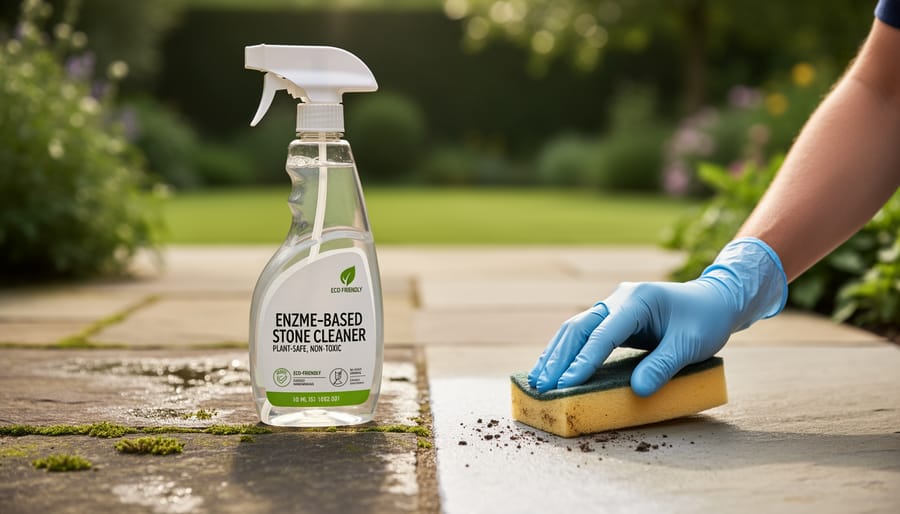
Enzyme-based cleaners represent a sophisticated category of eco-friendly stone cleaners that target organic stains and biological growth through natural chemical processes. These treatments contain specific proteins that act as catalysts, breaking down organic matter like algae, lichen, mold, and mildew at the molecular level without damaging the stone substrate.
The cleaning mechanism works by matching enzymes to specific organic compounds. Protease enzymes digest protein-based stains, while lipase targets oils and fats. When applied to affected surfaces, these enzymes penetrate porous stone and systematically dismantle the cellular structure of biological growth, converting it into simpler compounds that rinse away easily.
Application typically involves spraying or brushing the enzyme solution onto dry stone surfaces, allowing adequate dwell time of 15 to 30 minutes for the enzymes to work, then gentle agitation and rinsing with water. For stubborn growth, repeated applications may be necessary.
Enzyme cleaners work best on porous stones like limestone, sandstone, travertine, and unpolished granite where organic matter penetrates deeply. They’re less effective on highly polished surfaces where growth remains superficial. These solutions offer a gentler alternative to harsh chemicals while effectively addressing biological contamination without etching or discoloration.
Beneficial Bacteria Treatments
Beneficial bacteria treatments work by introducing competitive microorganisms that outcompete problematic algae, moss, and fungi for essential nutrients and space. These specially selected bacterial strains establish themselves on stone surfaces and essentially starve out unwanted growth by consuming the organic matter and minerals that algae and other organisms need to thrive.
The approach mimics natural ecosystem balance. When applied to natural stone, beneficial bacteria colonize the surface and create a protective biofilm. This living layer continuously breaks down organic debris like pollen, leaves, and atmospheric pollutants before problem organisms can use them as food sources. The bacteria also produce compounds that inhibit the attachment and growth of algae spores and fungal colonies.
These treatments are particularly effective on porous stones like limestone, sandstone, and travertine, where moisture retention often encourages biological growth. Unlike chemical biocides that kill indiscriminately and require repeated applications, beneficial bacteria establish long-term populations that provide ongoing protection. The treatment typically takes 2-4 weeks to show visible results as the bacterial colonies establish dominance.
Application involves spraying or brushing the bacterial solution onto clean, damp surfaces during mild weather conditions. The bacteria remain dormant in dry periods and reactivate when moisture returns, providing continuous natural defense against new biological colonization.
Natural Acid Solutions
Naturally-derived acids offer an effective middle ground between harsh chemical cleaners and purely biological enzyme treatments for removing organic growth from stone surfaces. Citric acid, found in citrus fruits, and acetic acid, the active component in vinegar, can dissolve algae, lichen, and mineral deposits without the environmental impact of synthetic chemicals.
These acidic solutions work by breaking down the cellular structures of biological growth and dissolving the calcium-based attachments that anchor organisms to stone surfaces. A diluted solution of white vinegar (5% acetic acid) or a citric acid mixture can be applied directly to affected areas, allowed to sit for 15-30 minutes, then scrubbed and rinsed thoroughly.
However, compatibility is critical. Acid-based cleaners should never be used on calcareous stones like marble, limestone, or travertine, as the acid will etch and damage these calcium carbonate-based materials. They’re best suited for acid-resistant stones such as granite, slate, and certain sandstones. Always test on an inconspicuous area first and consider consulting with a stone care professional for valuable guidance.
For routine maintenance, extremely diluted solutions can prevent biological growth, but proper surface sealing and regular cleaning remain the best long-term prevention strategies.
Prevention Strategies That Actually Work
Protective Biological Barriers
Modern protective biological barriers represent a significant advancement in stone preservation, offering eco-friendly alternatives to traditional petroleum-based sealers. These innovative products utilize plant-derived polymers and natural resins to create a protective shield that safeguards stone surfaces while maintaining environmental responsibility.
Unlike conventional sealers that can trap moisture and lead to subsurface damage, breathable stone sealers allow water vapor to escape while blocking liquid water penetration. This vapor-permeable technology prevents common issues like efflorescence, spalling, and freeze-thaw damage that occur when moisture becomes trapped beneath the surface.
Bio-based maintenance solutions incorporate naturally occurring ingredients such as citrus extracts, coconut-derived surfactants, and plant oils that effectively clean and protect without harsh chemicals. These formulations are biodegradable, non-toxic, and safe for both applicators and building occupants, making them ideal for interior applications and sensitive environments.
The protective barriers work by forming microscopic networks within the stone’s pores, repelling water and oil-based stains while preserving the material’s natural appearance and texture. Regular application of these biological solutions extends stone lifespan, reduces maintenance costs, and aligns with green building certifications like LEED. For optimal results, reapplication is recommended every two to five years depending on exposure conditions and traffic levels.
Environmental Management
Environmental management represents the most sustainable long-term approach to controlling biological growth on natural stone surfaces. By modifying conditions that support algae, moss, and lichen development, you can prevent their establishment without relying solely on reactive treatments.
Poor drainage creates persistent moisture that encourages biological colonization. Ensure water flows away from stone surfaces by correcting grade issues, installing proper gutters and downspouts, and repairing damaged drainage systems. Standing water should never remain on stone for extended periods.
Air circulation plays a crucial role in keeping surfaces dry. Trim back vegetation that blocks airflow around stone installations, and consider spacing adjustments in future projects to allow adequate ventilation. In enclosed areas, mechanical ventilation may be necessary to reduce humidity levels.
Shade management directly impacts biological growth rates. While some shade is inevitable, excessive coverage from overhanging trees or structures creates ideal conditions for colonization. Strategic pruning can increase sunlight exposure without removing beneficial landscaping entirely. South-facing surfaces generally experience less biological growth due to increased UV exposure and faster drying.
Regular cleaning protocols prevent initial colonization before growth becomes established. Simple maintenance—sweeping debris, hosing down surfaces quarterly, and addressing organic matter accumulation—removes the nutrients and moisture retention that support biological activity. This proactive approach proves far more effective and economical than addressing advanced infestations. Combining environmental controls with periodic biological treatments creates a comprehensive management strategy that maintains stone beauty while minimizing chemical interventions.
Maintenance Schedules by Application
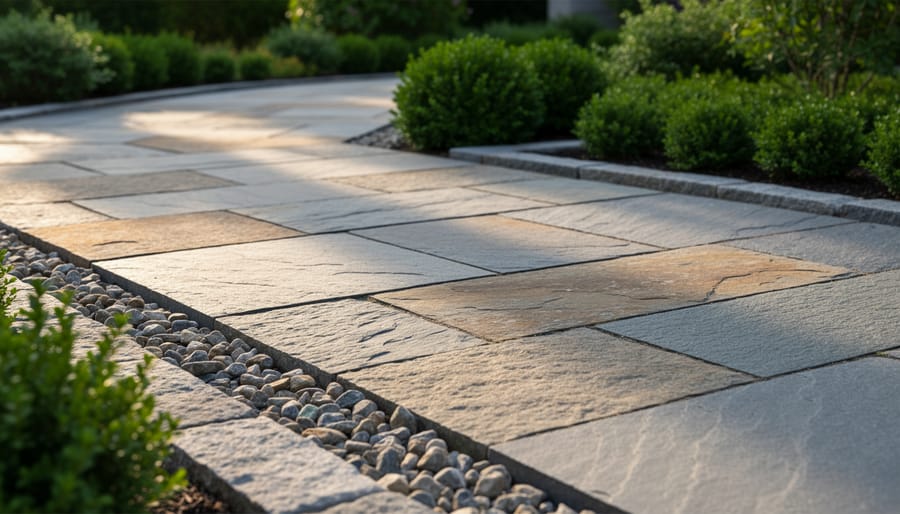
Maintenance frequency varies significantly depending on environmental exposure and stone application. For exterior paving and walkways in shaded, moisture-prone areas, apply biological solutions preventatively every 3-4 months during growing seasons. Building facades typically require treatment every 6-12 months, with north-facing and shaded elevations needing more frequent attention than sun-exposed surfaces.
Pool surrounds present unique challenges due to constant moisture and chemical exposure. Schedule preventative treatments every 2-3 months, carefully selecting products compatible with pool chemicals. Always apply when the pool is not in use and allow adequate drying time.
Interior surfaces like limestone flooring or marble countertops rarely develop biological growth but may require treatment in humid environments such as bathrooms or basement areas. Annual preventative applications generally suffice for these locations.
Historical monuments and heritage stonework demand specialized schedules based on conservation requirements. Consult with preservation specialists, but typical maintenance ranges from annual to bi-annual treatments using gentle, pH-neutral formulations. Always conduct small test patches before full application, particularly on porous or delicate stone varieties. Monitor treated areas regularly and adjust schedules based on observed regrowth patterns and seasonal variations.
When Biological Solutions Work Best (And When They Don’t)
Biological solutions excel in specific scenarios but aren’t universal fixes for every stone maintenance challenge. Understanding these parameters helps you make informed decisions about when to employ biological approaches.
Biological solutions work best on porous natural stones like limestone, sandstone, and some granites where organic growth has established itself in surface pores. These materials provide the ideal environment for biological cleaners to penetrate and break down algae, moss, and lichen at the root level. Climate plays a significant role in effectiveness—moderate temperatures between 50-75°F allow beneficial microorganisms to remain active longer, while extreme heat or cold can diminish their performance.
For light to moderate biological growth, these solutions typically deliver excellent results within 2-4 weeks. They’re particularly effective as preventative treatments, maintaining clean surfaces before heavy colonization occurs. Shaded areas with consistent moisture, such as north-facing walls or courtyard pavers, respond well to biological treatments because the controlled release of cleaning agents matches the pace of organic growth in these environments.
However, biological solutions have limitations. Dense, non-porous stones like polished granite or marble may not benefit significantly, as growth remains surface-level and mechanical cleaning proves more efficient. Severe infestations covering large surface areas often require initial mechanical removal followed by biological treatment for residual growth. Time-sensitive projects demanding immediate results aren’t suitable candidates—biological solutions prioritize long-term prevention over instant transformation.
Winter applications in freezing climates prove ineffective, as microbial activity essentially halts below 40°F. Similarly, heavily trafficked areas may benefit more from physical cleaning methods that provide immediate visual improvement. The key is matching the solution to your specific stone type, growth severity, timeline expectations, and environmental conditions for optimal outcomes.
Real-World Applications: Case Studies
A homeowner in Charleston, South Carolina, contacted a stone restoration specialist after noticing persistent dark staining on their limestone pool deck. Despite regular pressure washing, the discoloration returned within weeks. Upon inspection, the specialist identified the issue as biofilm growth accelerated by the humid coastal climate and constant moisture exposure. Rather than applying harsh chemical treatments that could damage the porous limestone and harm surrounding vegetation, the team implemented a biological solution approach.
The treatment involved a professional-grade enzymatic cleaner specifically formulated for natural stone. After gentle application and a dwell time of 20 minutes, the biological growth dissolved without aggressive scrubbing. The team then applied a breathable, water-based sealer designed to resist biological colonization while allowing the stone to release moisture vapor. Six months later, the pool deck maintained its clean appearance with only routine rinsing. The homeowner now applies a maintenance dose of biological cleaner quarterly, preventing regrowth without damaging the stone’s integrity or the surrounding landscape.
In a commercial application, the historic sandstone facade of a municipal building in Portland, Oregon, had developed extensive green algae growth on its north-facing elevation. The building’s historical designation prohibited harsh cleaning methods that might erode the century-old stone. Preservation specialists developed a protocol using biological solutions combined with low-pressure steam cleaning.
The process began with applying a biodegradable algaecide that targeted the organisms without affecting the stone’s mineral composition. After 48 hours, technicians used steam at controlled temperatures to lift the dead organic matter. A protective treatment containing natural antimicrobial compounds was then applied to inhibit future growth. The maintenance protocol now includes biannual inspections and spot treatments with biological solutions as needed. Three years later, the facade remains clean, and the stone shows no signs of chemical damage or accelerated weathering, demonstrating the long-term viability of biological solutions for sensitive historical applications.
Biological solutions represent a sustainable, stone-safe approach to managing organic growth on natural stone surfaces when applied correctly. Unlike harsh chemical treatments that can damage delicate stone structures or harm surrounding landscapes, biological products work with nature to gently eliminate algae, lichen, moss, and other growth while preserving the integrity of your stone investment.
Success with biological solutions depends heavily on matching the right product to your specific stone type. Porous stones like limestone and sandstone require different formulations than dense materials like granite or marble. Understanding your stone’s characteristics prevents potential damage and ensures optimal results.
Remember that prevention is significantly easier than removal. Implementing preventive maintenance strategies from the start saves time, money, and effort in the long run. Regular cleaning, proper drainage, and periodic biological treatments keep growth at bay before it becomes problematic.
For valuable or historic installations, consulting with stone care professionals is essential. They can assess your specific situation, recommend appropriate biological solutions, and develop a maintenance plan tailored to your needs. Take action today by evaluating your stone surfaces and establishing a proactive maintenance routine that protects your investment for years to come.