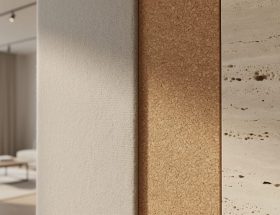

Transform your kitchen affordably with budget-friendly countertop options that combine durability and style. High-quality laminate countertops now authentically replicate granite and marble patterns at one-fifth the cost, while offering exceptional stain and scratch resistance. Butcher block, particularly from sustainable bamboo or birch, delivers warmth and functionality starting at $40 per square foot installed. Modern solid surface materials like acrylic-based compounds provide seamless appearances and easy maintenance, typically ranging from $35-60 per square foot with professional installation. Consider engineered quartz remnants from fabricators – these commercial-grade surfaces often sell at 40-60% discounts while maintaining their lifetime warranty and superior durability. Strategic material choices paired with smart shopping approaches can create stunning, lasting results without compromising your renovation budget.

Best Value Countertop Materials
Laminate Countertops
Modern laminate countertops have come a long way from their dated predecessors, offering an affordable yet stylish solution for budget-conscious homeowners. Professional installation typically ranges from $20 to $60 per square foot, with basic laminate countertop installation averaging $41.94 to $63.77 per square foot in 2026. Total project costs generally fall between $525 and $2,100, making laminate one of the most accessible budget countertop options available.
Today’s laminates feature realistic patterns that convincingly mimic granite, marble, and wood. High-definition printing technology creates surfaces with remarkable depth and texture, while improved manufacturing processes ensure better durability and scratch resistance.
- Budget-friendly pricing makes laminate accessible for most homeowners.
- Realistic patterns can mimic high-end materials like granite and marble.
- Easy installation keeps labor costs down compared to other materials.
- Stain-resistant surface cleans easily and requires minimal maintenance.
- Edges can chip or peel with heavy use over time.
- Not heat-resistant and can be damaged by hot pots and pans.
- Limited repair options mean damage often requires replacement.
- Visible seams can detract from the overall appearance.
These countertops clean easily and resist most stains with minimal effort. While they can be damaged by hot pots and sharp knives, proper care can extend their lifespan to 10-15 years. Premium options include enhanced wear resistance and antimicrobial properties, though they remain significantly less expensive than natural stone alternatives. The wide variety of colors and patterns available makes laminate a practical choice for achieving a high-end look without the premium price tag.
Close-up of a modern laminate countertop installation that mimics natural stone
Butcher Block
Butcher block countertops offer an affordable and warm alternative to expensive stone surfaces. Made from wood pieces bonded together, these countertops typically cost between $20 to $60 per square foot installed. Oak, maple, and bamboo are popular budget-friendly options that provide durability and natural beauty. While they require regular maintenance, including periodic oiling and careful cleaning, butcher block countertops can last for decades when properly cared for. They’re particularly appealing for DIY installation, which can significantly reduce costs. Keep in mind that wood surfaces are susceptible to scratches and water damage, but minor damage can often be repaired with simple sanding and refinishing. For busy kitchens, consider installing butcher block in lower-traffic areas while using more durable materials near sinks and stoves.
Tile Countertops
Tile countertops offer an affordable and versatile option for budget-conscious homeowners. Ceramic and porcelain tiles typically cost between $5 to $30 per square foot installed, making them one of the most economical choices available. These materials come in countless colors, patterns, and sizes, allowing you to create a custom look that mimics more expensive materials like marble or granite.
While ceramic tiles are the more budget-friendly option, porcelain tiles offer superior durability and water resistance. Both materials are heat-resistant and easy to clean, though the grout lines require regular maintenance and sealing to prevent staining. To maximize longevity and appearance, opt for larger tiles to minimize grout lines, and choose darker grout colors that won’t show dirt as easily.
One significant advantage of tile countertops is that damaged pieces can be replaced individually, saving money on future repairs compared to replacing an entire solid surface.
Solid Surface Materials
Solid surface materials like acrylic and polyester blends offer an affordable alternative to natural stone, typically ranging from $35 to $65 per square foot installed. These non-porous surfaces resist stains and scratches while providing seamless installation with invisible joints. Available in hundreds of colors and patterns, including options that mimic stone, solid surface countertops can be easily repaired if damaged. While they can be sensitive to heat and may show wear over time, their durability and ease of maintenance make them popular for budget-conscious renovations. Many manufacturers offer mid-range options that balance quality with cost, and some materials can be installed by experienced DIYers to reduce expenses further.
Factors to Consider When Choosing Budget Countertops
Durability and Maintenance
When selecting an inexpensive countertop, understanding the durability and maintenance requirements is crucial for making a cost-effective long-term decision. While budget-friendly options like laminate and tile can last 10-15 years with proper care, their longevity largely depends on daily maintenance and prevention of damage.
| Material | Lifespan | Maintenance Frequency | Heat Resistance | Stain Resistance | Repair Difficulty |
|---|---|---|---|---|---|
| Laminate | 10-15 years | Low (daily wipe-down) | Poor | Good | Cannot repair |
| Butcher Block | 15-20 years | High (monthly oiling) | Moderate | Poor | Easy (sand & refinish) |
| Tile | 15-25 years | Moderate (grout sealing) | Excellent | Moderate (grout stains) | Moderate (replace tiles) |
| Solid Surface | 15-20 years | Low (daily wipe-down) | Moderate | Excellent | Moderate (buff/sand) |
Laminate countertops require simple cleaning with mild soap and water, avoiding abrasive cleaners that can scratch the surface. They’re susceptible to heat damage and can’t be repaired if scratched or burned, which limits their long-term flexibility. Tile countertops are more durable against heat but require regular grout sealing and cleaning to prevent staining and bacterial growth.
Butcher block countertops need periodic oiling and immediate attention to spills to prevent water damage. The upside? They can be sanded and refinished if damaged, which can significantly extend their lifespan. Solid surface materials like acrylic offer moderate countertop durability and can be buffed to remove minor scratches, though deep gouges may require professional repair.
For optimal longevity of any budget-friendly countertop, use cutting boards, trivets for hot items, and clean spills promptly. Regular maintenance and protective measures will help maximize the lifespan of your investment while keeping it looking fresh.
Installation Costs
Installation costs can significantly impact your overall countertop budget, varying widely based on material choice and complexity of the project. For 2026, general countertop installation cost ranges from $19 to $45 per square foot, with an average of $34 per square foot. Laminate countertops typically offer the most economical installation, with labor costs ranging from $10 to $20 per square foot. Nationally, laminate countertop installation costs between $525 and $2,100, with a typical project averaging $1,050. Tile installation runs slightly higher at $15-30 per square foot, though DIY installation is possible for those with basic home improvement skills.
Butcher block and solid surface materials generally require professional installation, with costs ranging from $30-50 per square foot. These materials need precise cutting and seaming to ensure proper fit and water resistance. Edge treatments and custom features will add to the final cost.
To minimize installation expenses, consider these money-saving strategies:
– Choose simple edge profiles
– Opt for straight runs rather than complex layouts
– Remove old countertops yourself
– Keep existing sink locations
– Select in-stock materials to avoid special order fees
Some retailers offer free or discounted installation with minimum purchase amounts, which can provide substantial savings. Always get multiple quotes from licensed contractors and ensure they include removal of old countertops, seam placement, and any necessary plumbing disconnection/reconnection in their estimates.
Infographic showing installation cost comparison between different countertop materials
Cost-Saving Tips and Tricks
Timing Your Purchase
Timing your countertop purchase strategically can lead to significant savings. Many retailers offer their best deals during major holidays, particularly Memorial Day, Labor Day, and Black Friday. These sales events typically feature discounts of 10-30% on materials and installation services.
The best times to buy countertops include:
- Major holiday sales (Memorial Day, Labor Day, Black Friday)
- End-of-quarter clearances (March, June, September, December)
- Off-peak months (January-February)
- Weekday mornings for better service and attention
- Slow contractor seasons (winter months)
January and February are traditionally slower months for home improvement projects, making retailers more willing to negotiate prices and offer competitive deals to attract customers. Schedule your shopping during weekday mornings when showrooms are less crowded. This allows sales representatives to spend more time with you and potentially offer better deals.
Consider requesting quotes from multiple suppliers during these periods, as competition for business is higher during slow seasons. If you’re flexible with materials, ask about remnants or discontinued styles. Suppliers frequently offer these at substantial discounts, sometimes up to 50-80% off regular prices.
Signing up for retailer newsletters can give you early access to sales events and exclusive promotional codes. These cost-saving tips work particularly well when combined with flexibility on installation timing. Many contractors offer better rates during their off-peak seasons, typically mid-winter and late fall, when demand for renovation services is lower.
Creative Money-Saving Solutions
When choosing the right countertop material on a budget, several creative approaches can help reduce costs without compromising quality. Consider purchasing remnants from stone yards, which often sell leftover pieces from larger projects at significant discounts. These pieces work perfectly for smaller countertops, islands, or bathroom vanities.
Another cost-effective strategy is to mix and match materials. Use premium materials like granite or quartz for high-impact areas like kitchen islands, while opting for less expensive options on peripheral counters. This approach creates visual interest while managing costs effectively.
Look for seasonal sales and closeouts at home improvement stores. Many retailers offer substantial discounts during major holidays or when clearing out inventory. Some stores also provide discounted installation services during slower seasons.
DIY installation can significantly reduce costs, particularly with materials like laminate or butcher block. However, ensure you have the necessary skills and tools before attempting installation. For stone countertops, working with a fabricator who sources directly from quarries can often yield better prices than retail outlets.
Consider refinishing existing countertops with specialized coating products or overlays. These modern solutions can transform dated surfaces at a fraction of the cost of replacement. Some manufacturers offer DIY-friendly epoxy kits that create stunning, durable finishes mimicking natural stone.
Choosing an inexpensive countertop doesn’t mean sacrificing quality or aesthetics. Laminate countertops remain the most economical choice, offering an extensive range of designs and requiring minimal maintenance. Professional laminate installation typically ranges from $20 to $60 per square foot in 2026, with basic installations averaging $42 to $64 per square foot. For homeowners seeking affordability combined with unique character, butcher block and tile countertops present excellent alternatives, though they demand more regular upkeep.
Solid surface countertops and premium laminate options provide a middle-ground solution, enhanced durability and a more upscale appearance while still maintaining reasonable costs. Remember that strategic choices in color, pattern, and finish can significantly impact both the final look and price of your countertop.
To maximize your investment, focus on proper installation and maintenance. Even the most affordable countertop will deliver years of service when properly cared for. Consider working with professional installers for materials like solid surface or tile, but explore DIY options for simpler materials like laminate to reduce costs further.
Factor in long-term value. While some materials may cost slightly more upfront, their durability and low maintenance requirements could result in better value over time. By carefully weighing your budget against your lifestyle needs, you can select affordable countertops that serve both your practical requirements and aesthetic preferences.