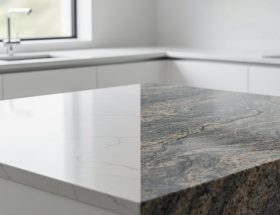

Deep beneath Earth’s surface, a remarkable transformation occurs as molten rock crystallizes to form igneous rocks – the foundation of our planet’s crust. These geological marvels emerge through two distinct processes: slow cooling of magma deep underground to create intrusive rocks like granite, and rapid cooling of lava at the surface producing extrusive varieties such as basalt. Each cooling scenario creates unique mineral patterns and characteristics that make igneous rocks indispensable in both nature and human construction.
From the towering granite cliffs of Yosemite to the volcanic islands of Hawaii, igneous rocks tell the story of Earth’s fiery past while serving as vital building materials in modern architecture. Their exceptional durability, strength, and aesthetic appeal have made them prized resources throughout human history. Understanding their origins not only illuminates Earth’s dynamic processes but also helps architects and builders select the perfect stone for their projects, ensuring structures that stand the test of time.
The Birth of Igneous Rocks: From Molten Magma to Solid Stone
Understanding Magma Composition
Magma, the molten rock material that forms igneous rocks, exists in three primary compositions that determine the final characteristics of the stone. Basaltic magma, the most common type, is rich in iron and magnesium but contains less silica, typically producing darker-colored rocks. Andesitic magma has an intermediate composition, while granitic magma contains high levels of silica and produces lighter-colored stones often used in construction.
The mineral content of magma significantly influences the properties of the resulting igneous rock, including its durability, appearance, and commercial value. Temperature plays a crucial role in determining which minerals crystallize first, following what geologists call Bowen’s Reaction Series. This systematic crystallization process explains why certain minerals are commonly found together in specific types of igneous rocks.
Different magma compositions also affect the rock’s texture and structure, which are essential considerations for construction applications. For instance, granite’s durability and aesthetic appeal result from its slow cooling and specific mineral arrangement, making it a preferred choice for countertops and building facades.
The Cooling Process
The cooling rate of magma plays a crucial role in determining the final appearance and structure of igneous rocks. When magma cools slowly, typically deep underground, it allows time for large crystals to form, resulting in rocks with visible crystalline structures like granite. This process can take thousands or even millions of years, producing rocks with interlocking crystals that are easily visible to the naked eye.
In contrast, rapid cooling creates rocks with much smaller crystals or no visible crystals at all. This occurs when magma reaches the Earth’s surface and cools quickly, as in volcanic eruptions. The resulting rocks, like obsidian, often have a glass-like appearance due to the minimal time for crystal formation. The cooling rate also influences the rock’s density, strength, and overall durability.
The size of crystals in igneous rocks serves as a reliable indicator of their cooling history. Large crystals suggest formation deep within the Earth, while smaller crystals or glassy textures indicate surface or near-surface cooling. This variation in crystal size and arrangement contributes to the diverse aesthetic qualities that make igneous rocks popular in construction and decorative applications.
Understanding these cooling processes helps architects and designers select the most appropriate stone for specific projects, considering both aesthetic appeal and structural requirements.

Types of Igneous Rocks in Architecture
Granite: The Kitchen Counter Champion
Among igneous rocks, granite stands as nature’s masterpiece and the undisputed champion of kitchen countertops. Formed deep beneath the Earth’s surface, granite crystallizes from slowly cooling magma, creating its distinctive speckled appearance and robust composition. This process of slow crystallization allows large minerals like feldspar, quartz, and mica to develop, resulting in the stone’s characteristic strength and beauty.
The dense crystalline structure makes granite exceptionally durable and resistant to scratches, heat, and everyday wear. When selecting quality granite, you’ll notice variations in color patterns and mineral compositions, ranging from classic whites and blacks to dramatic blues and reds. These variations tell the story of different mineral concentrations present during the rock’s formation.
What sets granite apart is its perfect balance of practical benefits and aesthetic appeal. Its natural composition provides inherent antibacterial properties, while its polished surface resists staining and maintains its luster for decades. This combination of durability, beauty, and functionality explains why granite remains the preferred choice for both residential and commercial applications.

Basalt: The Dark Beauty
Basalt stands as one of Earth’s most abundant igneous rocks, formed when mafic lava rapidly cools at or near the planet’s surface. Its distinctive dark gray to black coloring comes from its rich mineral composition, primarily consisting of plagioclase and pyroxene. This dense, fine-grained rock exhibits remarkable durability and resistance to weathering, making it a popular choice in both architectural and industrial applications.
In construction, basalt finds extensive use in road bases, concrete aggregates, and dimensional stone. Its natural ability to withstand extreme temperatures and pressure has made it invaluable in modern architecture, where it’s often featured in flooring, wall cladding, and outdoor paving. The stone’s inherent strength also makes it ideal for crushing into ballast for railway tracks.
Beyond construction, basalt has emerged as an eco-friendly material for fiber production, insulation, and even artistic sculptures, showcasing its versatility across various applications while maintaining its characteristic dark elegance.
Other Notable Igneous Stones
Beyond granite and basalt, several other igneous stones play significant roles in both natural formations and architectural applications. Obsidian, formed through rapid cooling of lava, creates a glass-like black stone prized for its sleek appearance and historical significance in toolmaking. This natural glass features a distinctive smooth texture and can range from pure black to patterns with brown or gray.
Pumice, another notable igneous rock, forms when volcanic foam cools rapidly. Its unique characteristic is its extremely light weight due to numerous air bubbles trapped during formation. This porous structure makes pumice valuable in both construction materials and landscaping applications.
Other significant varieties include tuff, formed from compressed volcanic ash, and porphyry, known for its distinctive large crystals embedded in a finer-grained base. These stones offer unique aesthetic qualities and varying degrees of durability, making them suitable for different architectural and decorative purposes, from garden features to building facades.

Identifying Quality Igneous Stone
When selecting igneous stone for construction projects, several key factors determine its quality and suitability. First, examine the stone’s consistency in color and pattern. High-quality igneous rocks typically display uniform coloration with minimal irregular patches or streaking, though some variation is natural and can be desirable for aesthetic purposes.
Pay close attention to the stone’s density and hardness. Quality igneous stones, particularly the durability of granite, should resist scratching with standard metal tools. Test the stone’s absorption rate by applying a small amount of water – quality igneous stone should show minimal absorption and maintain its original appearance when dry.
Look for any visible cracks, fissures, or pits in the stone’s surface. While some natural features are expected, excessive fracturing could indicate structural weakness. The stone should produce a clear, bell-like sound when tapped lightly with a metal object, rather than a dull thud which might suggest hidden cracks.
Consider the stone’s finish quality. Whether polished, honed, or flamed, the surface should be consistently processed across the entire piece. For commercial applications, ensure the stone meets ASTM standards for density, absorption, and compression strength. Request test certificates from suppliers to verify these specifications.
Always source stone from reputable quarries that provide detailed documentation about the material’s origin and technical specifications. This ensures you’re getting genuine igneous stone suitable for your specific application.
Understanding the origins of igneous rocks is crucial for both scientific knowledge and practical applications in construction and design. These remarkable stones, formed through the cooling and crystallization of magma, offer unique properties that make them ideal for various architectural applications. From the durability of granite countertops to the striking appearance of basalt tiles, igneous rocks continue to be valuable resources in modern construction. Their varied textures, colors, and patterns – direct results of their formation processes – allow designers to create distinctive and long-lasting spaces. Whether you’re a homeowner selecting kitchen countertops or an architect planning a commercial facade, knowledge of igneous rock formation helps inform better material choices. As our understanding of these rocks continues to evolve, their applications in sustainable and innovative design solutions will undoubtedly expand.