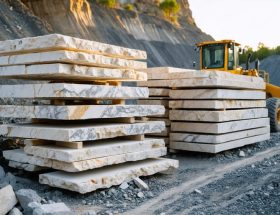
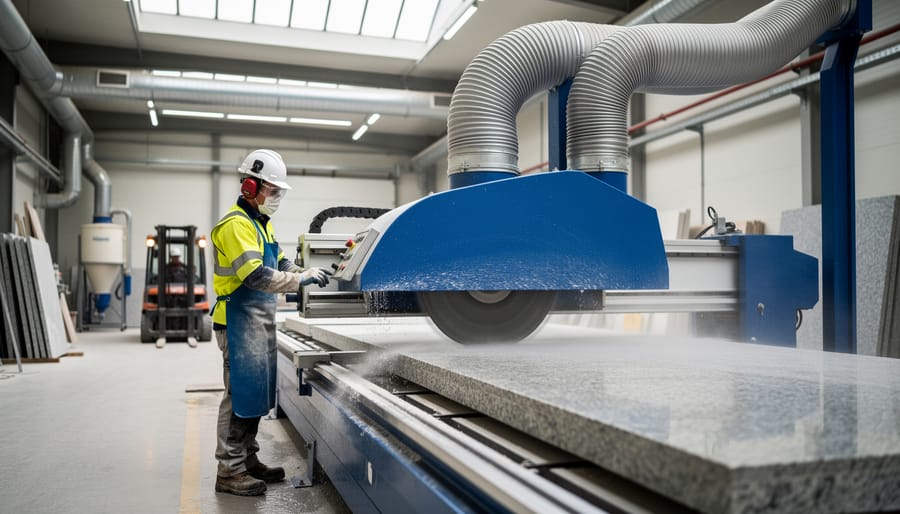
The Clean Air Act designates six criteria air pollutants that the EPA regulates through National Ambient Air Quality Standards, and stone industry operations must understand these requirements to maintain compliance and protect worker health. Particulate matter, ground-level ozone, carbon monoxide, sulfur dioxide, nitrogen dioxide, and lead each pose distinct risks to air quality, with particulate matter presenting the most significant challenge for stone fabrication facilities and quarrying operations.
Stone cutting, grinding, and polishing activities generate substantial quantities of respirable silica dust that falls under particulate matter regulations. This reality places stone fabricators and quarry operators under heightened scrutiny from environmental agencies. Facilities that fail to implement adequate control measures face penalties ranging from operational shutdowns to substantial fines, making compliance both a legal obligation and a business necessity.
Understanding which criteria pollutants your operation generates represents the first step toward developing an effective compliance strategy. While all six pollutants merit attention, particulate matter from stone processing demands immediate focus due to its direct connection to everyday fabrication activities. Secondary concerns include carbon monoxide from equipment exhaust and nitrogen dioxide from combustion processes in heating or material handling equipment.
This guide examines each criteria pollutant through the lens of stone industry operations, identifying specific risk areas within fabrication shops and quarries while providing practical control strategies that satisfy regulatory requirements without disrupting production efficiency. The information equips facility managers and compliance officers with knowledge to assess current operations, implement necessary improvements, and maintain ongoing compliance with federal and state air quality standards.
What Are the Six Criteria Air Pollutants?
Why the EPA Targets These Specific Pollutants
The EPA established criteria air pollutants based on decades of research linking these substances to serious health conditions and environmental damage. These six pollutants earned federal oversight because of their widespread presence, documented harm to human health, and ability to affect air quality across broad geographic areas.
For stone industry operations, understanding these regulations matters because activities like cutting, grinding, and crushing naturally generate several criteria pollutants. Particulate matter poses the most significant concern in fabrication shops and quarries, where silica-containing dust can cause respiratory diseases including silicosis and lung cancer with prolonged exposure. Ground-level ozone forms when equipment emissions react with sunlight, affecting both workers and nearby communities. Nitrogen oxides and sulfur dioxide from diesel machinery and generators contribute to respiratory problems and acid rain. Carbon monoxide from enclosed workspace equipment reduces oxygen delivery in the bloodstream, while airborne lead from certain stone types or contaminated materials damages neurological systems.
The EPA’s regulations aim to protect workers, surrounding communities, and ecosystems from these measurable harms. Compliance requirements reflect the severity of health risks and the technical feasibility of control methods, making awareness essential for responsible stone industry operations.
Particulate Matter (PM10 and PM2.5): Stone’s Biggest Air Quality Challenge
How Stone Processing Creates Dangerous Dust
Stone fabrication operations generate particulate matter through several distinct processes, each contributing to workplace air quality concerns. Understanding these activities is essential for implementing effective dust control measures and maintaining EPA compliance.
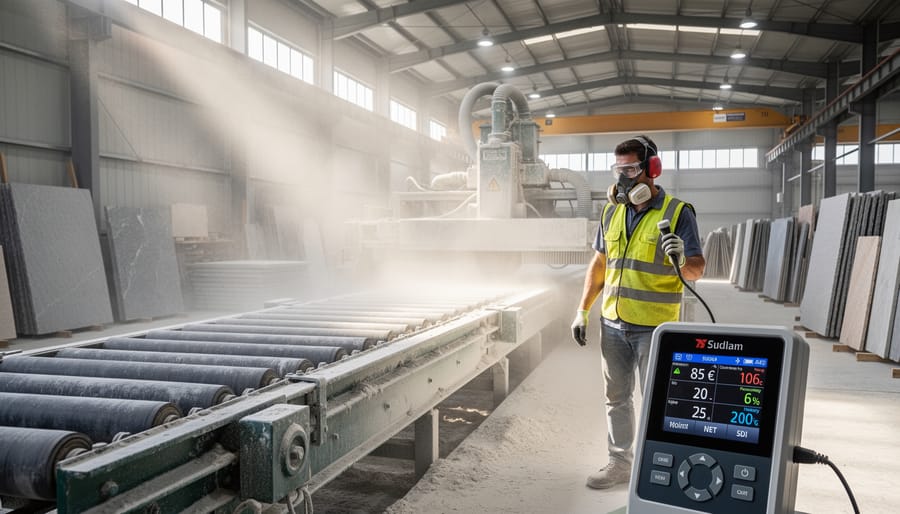
Dry cutting represents one of the most significant sources of airborne particulates in stone fabrication. When diamond-tipped saw blades slice through granite, marble, or engineered stone without water suppression, they create clouds of fine dust particles. These particles, often measuring less than 10 micrometers in diameter, easily become airborne and can remain suspended in workshop air for extended periods. The composition of this dust varies depending on the stone type, but crystalline silica content remains the primary health concern.
Grinding and edge profiling operations similarly release substantial quantities of respirable dust. As rotating diamond wheels shape stone edges and surfaces, they pulverize material into microscopic fragments. Without proper ventilation or water suppression, these particles disperse throughout the fabrication facility, settling on surfaces and equipment while posing inhalation risks to workers.
Polishing processes, while often performed wet, still generate fine particulates when performed dry or when water application is insufficient. The friction between polishing pads and stone surfaces creates extremely fine dust that becomes easily airborne.
Material handling activities contribute additional particulate releases. Moving slabs, cleaning work surfaces, and sweeping debris can re-suspend settled dust particles, creating secondary exposure risks. Even seemingly minor activities like transferring cut pieces or organizing inventory can disturb accumulated dust layers, releasing particles back into the breathing zone of nearby workers.
Effective Dust Control Solutions for Fabrication Shops
Stone fabrication shops can significantly reduce particulate matter emissions through a combination of engineered controls and smart operational practices. The most effective approach involves implementing multiple dust control strategies that work together to capture pollutants at their source and prevent them from entering the workplace air or escaping to the environment.
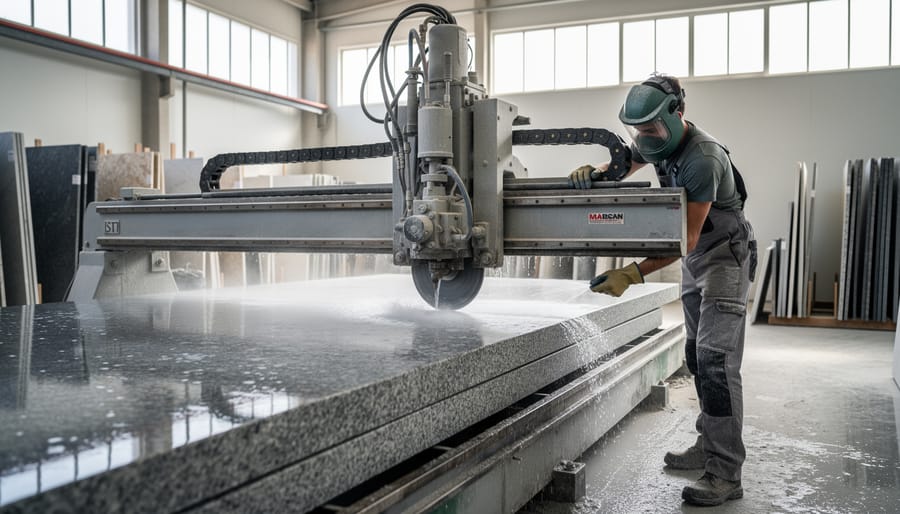
Wet cutting and processing systems serve as the primary defense against dust generation. By introducing water directly at the point where cutting tools meet stone surfaces, these systems suppress dust particles before they become airborne. Modern wet saws and CNC machines integrate water management systems that recirculate and filter water, reducing both dust emissions and water consumption while maintaining effective particle suppression throughout the fabrication process.
Local exhaust ventilation systems provide critical secondary protection by capturing any dust that escapes wet suppression methods. Installing capture hoods directly over grinding, polishing, and cutting stations draws dust-laden air away from workers and channels it through filtration systems before release. High-efficiency particulate air filters in these systems can remove 99.97 percent of particles, ensuring compliance with air quality standards.
Dust collection systems should connect to handheld tools like grinders and routers, providing portable capture wherever fabrication work occurs. Regular maintenance of filters and proper system balancing ensures optimal performance across all collection points.
Workplace practices further minimize dust exposure and emissions. Establishing regular cleaning schedules using HEPA-filtered vacuums rather than dry sweeping prevents settled dust from becoming re-suspended. Designating specific areas for dry cutting operations when unavoidable, implementing tool-down procedures during breaks, and training workers on proper equipment use all contribute to maintaining cleaner air. Together, these solutions create a comprehensive dust control program that protects both worker health and environmental quality.
Ground-Level Ozone: The Indirect Threat from Stone Operations
Reducing VOCs and NOx from Stone Processing Equipment
Volatile organic compounds (VOCs) and nitrogen oxides (NOx) serve as precursors to ground-level ozone formation, making their control essential for stone operations. These pollutants primarily originate from diesel-powered equipment, forklifts, cutting machinery, and vehicle emissions at quarries and fabrication facilities.
Equipment maintenance provides the foundation for VOC and NOx reduction. Regular servicing of diesel engines, replacing worn components, and ensuring proper combustion efficiency significantly decrease emissions. Installing catalytic converters and diesel particulate filters on mobile equipment further reduces pollutant output.
Fuel selection plays a crucial role in minimizing these ozone precursors. Transitioning from diesel to cleaner alternatives like compressed natural gas or propane-powered forklifts substantially cuts both VOC and NOx emissions. When diesel remains necessary, using ultra-low sulfur diesel fuel reduces harmful byproducts.
Operational timing strategies can mitigate ozone formation during peak sunlight hours when photochemical reactions accelerate. Scheduling high-emission activities during early morning or late afternoon hours, when ozone formation potential decreases, helps reduce overall environmental impact.
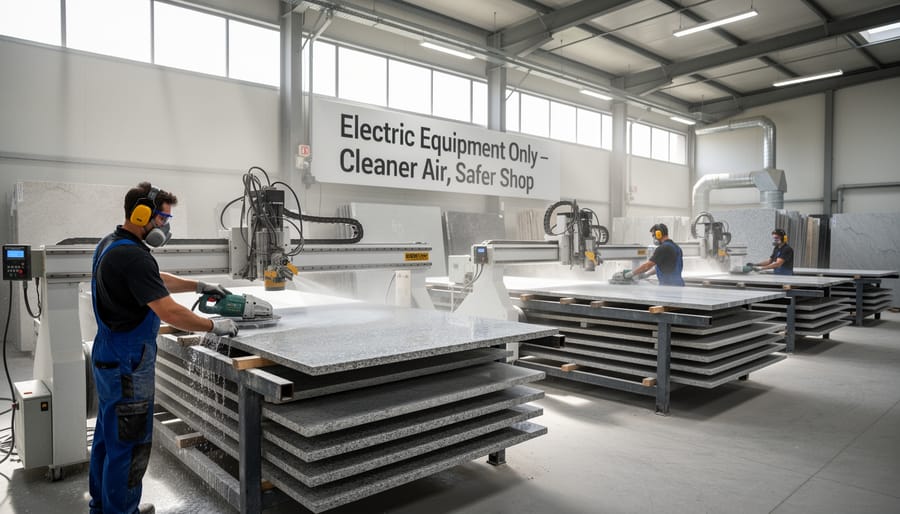
Indoor fabrication facilities benefit from adequate ventilation systems that capture and exhaust fumes away from work areas. Implementing electric-powered equipment wherever feasible eliminates combustion-related emissions entirely, representing the most effective long-term solution for controlling VOCs and NOx in stone processing operations.
Carbon Monoxide from Equipment and Vehicles
Ventilation and Equipment Choices to Minimize CO Exposure
Proper ventilation is the cornerstone of carbon monoxide control in stone fabrication facilities. Install industrial-grade exhaust systems that provide at least 6-12 air changes per hour, with strategically placed intake vents to ensure fresh air circulation throughout the workspace. Position exhaust fans near known CO sources, particularly where fuel-powered equipment operates, and conduct quarterly airflow assessments to verify system effectiveness.
Transitioning to electric alternatives significantly reduces CO exposure risks. Replace gas-powered forklifts, stone saws, and polishing equipment with electric models wherever feasible. While the initial investment may be higher, electric equipment eliminates direct CO emissions and typically offers lower operating costs. For operations where fuel-powered equipment remains necessary, newer EPA-certified engines produce substantially less carbon monoxide than older models.
Maintenance protocols are equally critical. Establish weekly inspection schedules for all combustion equipment, checking for proper ventilation, clear exhaust pathways, and optimal fuel-air ratios. Never operate fuel-powered equipment in enclosed spaces without adequate ventilation, even briefly. Install CO monitors at multiple locations throughout the facility, setting alarms at 35 parts per million for eight-hour exposure limits. Keep detailed maintenance logs documenting equipment servicing, ventilation system checks, and monitor calibration to demonstrate compliance during regulatory inspections.
Sulfur Dioxide and Nitrogen Dioxide: Combustion Byproducts in Stone Processing
Cleaner Fuel Options and Equipment Upgrades
Stone fabricators and quarry operators have several practical options for reducing emissions of sulfur dioxide and nitrogen oxides. Switching to ultra-low-sulfur diesel (ULSD) fuel in mobile equipment and generators represents one of the most straightforward steps, as this fuel contains 97% less sulfur than conventional diesel. Many operations are also retrofitting existing diesel equipment with selective catalytic reduction (SCR) systems and diesel particulate filters, which can reduce nitrogen oxide emissions by up to 90%.
Electric-powered equipment offers another avenue for emission reduction. Battery-powered forklifts, electric saws, and plug-in polishing machines eliminate on-site combustion entirely. For larger operations, transitioning to renewable energy sources like solar panels or wind power to run facility equipment significantly cuts both criteria pollutant emissions and operating costs over time.
Propane and compressed natural gas vehicles produce fewer nitrogen oxides than diesel alternatives and work well for yard trucks and material transport. Regular maintenance schedules and engine tuning also ensure equipment runs efficiently, preventing the excess emissions that occur when machinery operates outside optimal parameters.
Lead Emissions: Understanding the Minimal Risk in Modern Stone Operations
Lead became a criteria air pollutant due to its severe health impacts, particularly from historical sources like leaded gasoline and paint. The EPA established strict standards after recognizing lead’s neurological effects, especially on children’s development. For the natural stone industry, lead emissions present minimal concern compared to industries involving battery manufacturing, metal smelting, or aviation fuel. Natural stone is a geological material that typically contains negligible lead content, and standard cutting, grinding, or polishing operations do not involve lead-based materials or processes that would generate lead emissions.
However, maintaining awareness remains important for complete environmental compliance. If fabrication facilities use lead-based solders, certain adhesives, or operate in older buildings with lead paint, trace emissions could occur. Regular facility assessments and material safety data sheet reviews help ensure operations remain lead-free. Stone industry professionals can confidently focus compliance efforts on particulate matter control, which represents the primary air quality concern for quarrying and fabrication operations.
Compliance Strategies: Keeping Your Stone Operation Clean
Monitoring and Documentation Requirements
Stone operations must establish systematic monitoring programs to demonstrate ongoing compliance with air quality standards. The EPA requires facilities to conduct regular air quality assessments, with frequency determined by facility size, production volume, and emission levels. Larger operations typically need quarterly monitoring, while smaller facilities may qualify for annual assessments.
Monitoring equipment should be calibrated according to manufacturer specifications and EPA Method 201A standards. For particulate matter, this includes using gravimetric samplers positioned at property boundaries and near major emission sources like cutting areas and loading zones. Continuous opacity monitors may be required for operations with significant visible emissions.
Documentation is essential for proving compliance during inspections. Facilities must maintain detailed records including daily production logs, maintenance schedules for dust control equipment, water usage for suppression systems, and any operational changes affecting emissions. These records should be retained for at least five years and made readily accessible to inspectors.
Inspection schedules vary by state, but most require monthly internal audits of control equipment functionality, quarterly reviews of monitoring data, and annual comprehensive assessments. Document any equipment malfunctions immediately and record corrective actions taken.
Reporting requirements include submitting annual emission inventories to state environmental agencies and notifying regulators within 24 hours of any exceedance events or control system failures. Many states now require electronic submission through online portals. Establish a compliance calendar to track all deadlines and maintain a designated environmental coordinator responsible for ensuring timely submissions and coordinating with regulatory agencies.
Creating an Air Quality Management Plan
Developing a comprehensive Air Quality Management Plan requires a systematic approach tailored to your facility’s specific operations. Begin by conducting a thorough emissions inventory to identify which of the six criteria pollutants your stone fabrication or quarrying activities generate. For most natural stone operations, particulate matter will be the primary concern, though NOx and CO from equipment exhaust also require attention.
Start with baseline measurements using air monitoring equipment to establish current pollution levels at key locations throughout your facility. Document all emission sources, including cutting equipment, grinding stations, polishing operations, and vehicle traffic. This data forms the foundation for setting realistic reduction targets and tracking progress over time.
Next, prioritize control strategies based on your assessment findings. Implement engineering controls such as wet cutting systems, local exhaust ventilation, and dust collection equipment. Establish standard operating procedures that minimize emissions during routine activities and maintenance work. Your plan should align with broader environmental commitments, including choosing ethically sourced stone and pursuing sustainable stone certification.
Employee training is essential for plan success. Conduct regular sessions covering proper equipment operation, housekeeping practices, and emergency response procedures. Assign specific responsibilities for air quality monitoring and equipment maintenance.
Finally, establish continuous improvement protocols through quarterly reviews of monitoring data, annual plan updates, and regular audits. Schedule periodic equipment inspections and maintain detailed records demonstrating compliance. This proactive approach not only satisfies regulatory requirements but also creates healthier workplaces and demonstrates environmental leadership within the stone industry.
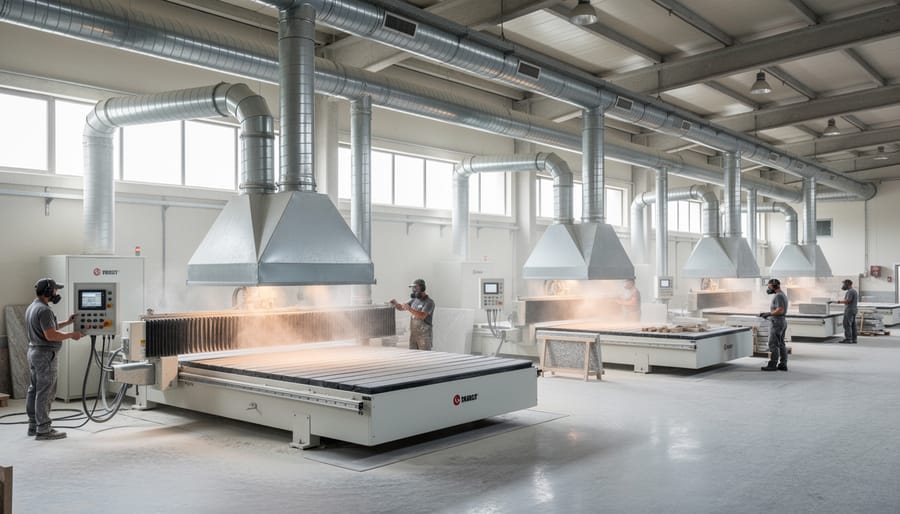
Effective air emissions control in stone operations isn’t just about regulatory compliance—it’s a strategic investment in operational sustainability and community health. For stone quarries and fabrication facilities, dust control and equipment management represent the two foundational pillars of air quality protection. By implementing proven strategies like water suppression systems, proper ventilation, and regular equipment maintenance, stone operations can dramatically reduce particulate matter emissions while simultaneously improving workplace safety and product quality.
The six criteria air pollutants framework provides clear benchmarks for environmental stewardship, but success requires viewing compliance as an ongoing commitment rather than a one-time checklist. Stone industry professionals who prioritize dust mitigation through engineering controls, operational procedures, and employee training position their businesses for long-term viability in an increasingly environmentally conscious marketplace. This proactive approach reduces the environmental impact of stone extraction and processing while protecting the health of workers and neighboring communities. Ultimately, robust air emissions management enhances operational efficiency, minimizes regulatory risk, and demonstrates corporate responsibility—transforming compliance from an obligation into a competitive advantage that supports both business growth and environmental preservation.