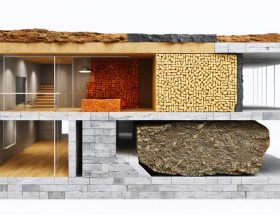
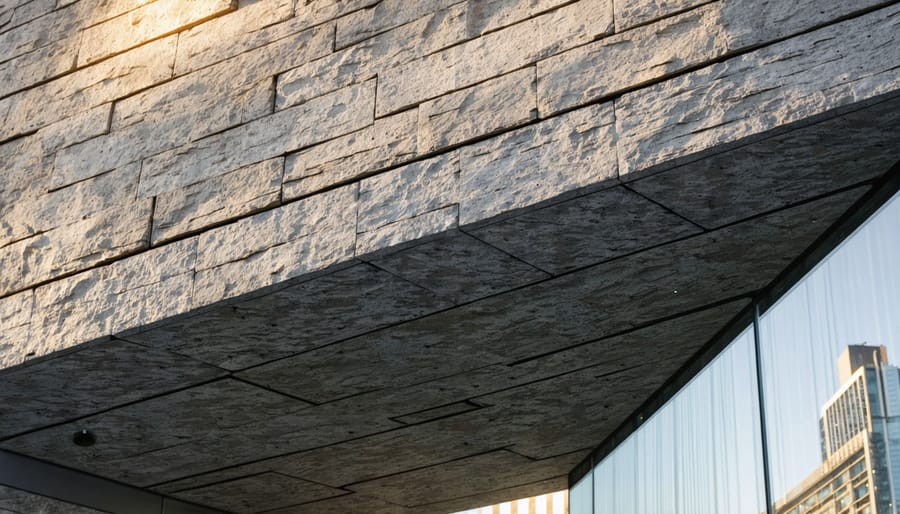
Natural stone’s reputation as a structural liability is largely undeserved. When properly specified and installed, stone veneers, cladding, and even load-bearing applications can enhance rather than compromise structural integrity. The key lies in understanding load distribution, material properties, and installation methodologies that have evolved significantly beyond traditional practices.
Modern engineering has transformed stone from a purely aesthetic choice into a structurally sophisticated building component. Contemporary attachment systems distribute weight across structural frameworks rather than concentrating stress at single points, while advances in thin-stone technology reduce dead loads by up to 75% compared to full-thickness applications. The material itself—formed over millions of years under immense geological pressure—possesses compressive strengths that often exceed concrete, with granite reaching 19,000-25,000 PSI.
Yet legitimate concerns exist. Improper installation, inadequate structural support calculations, and ignoring thermal expansion can lead to failure. This guide addresses both the scientific reality of stone’s structural advantages and the practical considerations that determine success or failure. Whether you’re a homeowner weighing design options or a professional seeking technical validation, understanding these principles ensures stone enhances your project’s longevity rather than compromising it.
What ‘Structural Integrity’ Really Means in Construction
At its core, structural integrity refers to a building’s ability to withstand its intended loads and environmental conditions without failing, deforming excessively, or losing stability. When architects and engineers assess structural integrity, they’re evaluating whether every component of a building can safely support the forces acting upon it throughout its expected lifespan.
Understanding structural integrity requires examining four fundamental factors. First, load-bearing capacity determines how much weight a structure can support, including its own mass (dead loads), occupants and furnishings (live loads), and external forces like snow or wind. Second, stability ensures the structure resists overturning, sliding, or buckling under these forces. A building might be strong enough to hold weight but still lack the lateral stability needed to prevent collapse during an earthquake or high winds.
The third factor, durability over time, addresses how materials and connections maintain their strength as decades pass. Buildings face constant stress from temperature fluctuations, moisture cycles, and normal wear. Materials that deteriorate rapidly compromise the entire system’s integrity. Fourth, resistance to environmental stressors evaluates how well a structure handles region-specific challenges like seismic activity, coastal salt exposure, freeze-thaw cycles, or extreme heat.
These four factors work together as an integrated system. A chain is only as strong as its weakest link, and the same principle applies to buildings. When one element fails to meet structural integrity requirements, it can trigger cascading failures throughout the structure. This interconnected nature is why material selection matters so significantly. The materials you choose don’t just fill space; they fundamentally determine whether your building stands strong or becomes vulnerable to failure over time.
The Physics Behind Natural Stone’s Structural Advantages
Compression Strength: Stone’s Superpower
Natural stone’s remarkable ability to withstand crushing forces is what allowed ancient civilizations to build structures that have survived for millennia. This compression strength remains stone’s defining structural characteristic, measured in pounds per square inch (PSI).
Granite leads the pack with compression strength ranging from 19,000 to 52,000 PSI, making it one of the strongest natural building materials available. For context, standard concrete typically rates between 3,000 and 7,000 PSI. Marble follows with impressive ratings of 10,000 to 25,000 PSI, while limestone varies considerably from 1,800 to 19,000 PSI depending on density and formation conditions.
These numbers translate to real-world performance. A single square inch of quality granite can support the weight of approximately 13 to 26 cars stacked vertically before failing. This explains why granite columns in ancient Egyptian temples still bear their original structural loads thousands of years later.
When compared to common building materials, stone’s advantage becomes clear. While engineered wood products rate around 1,000 PSI and brick ranges from 3,000 to 10,000 PSI, natural stone consistently outperforms most alternatives under vertical loads. This makes it exceptionally suitable for flooring, columns, load-bearing walls, and foundations.
The key factor homeowners and designers should understand is that natural stone actually strengthens structures when properly installed. Rather than compromising building integrity, stone’s superior compression strength provides additional support, particularly in applications where weight is transferred downward through the material.
Thermal Mass and Building Stability
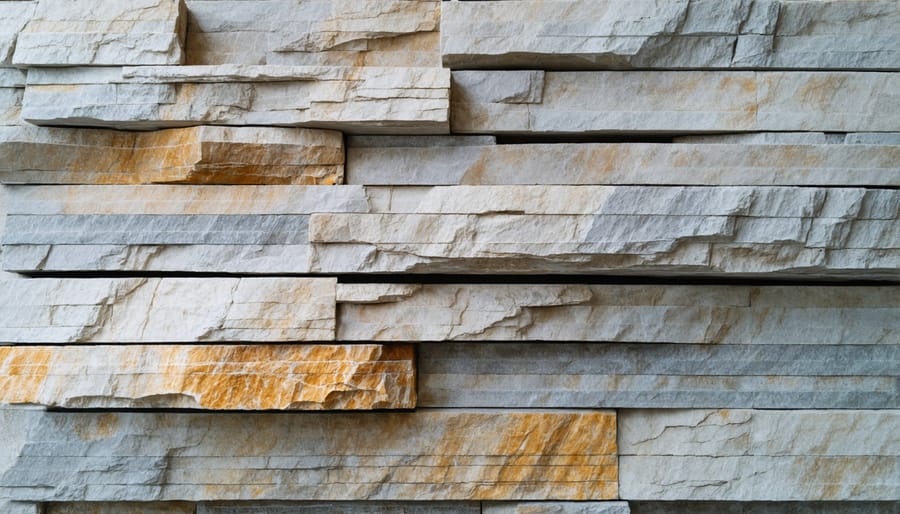
Natural stone’s thermal mass properties play a crucial yet often overlooked role in maintaining structural integrity over time. Unlike materials that rapidly heat and cool with temperature fluctuations, stone absorbs thermal energy slowly and releases it gradually. This characteristic significantly reduces the frequency and severity of expansion and contraction cycles that buildings experience throughout daily and seasonal temperature changes.
When building materials repeatedly expand and contract, they develop stress points, microfractures, and joint separation. Stone’s ability to moderate these thermal movements creates a more stable structural environment. For instance, a limestone facade will experience far less dimensional change than metal cladding or vinyl siding during a hot summer day, reducing stress on mounting systems and underlying structures.
This thermal stability becomes particularly valuable in composite construction, where different materials meet. Stone components act as stabilizing anchors, dampening the thermal movement of adjacent materials and reducing differential stress at critical connection points. Over decades, this contributes to fewer maintenance requirements, reduced joint failure, and extended overall structural lifespan, making stone not just an aesthetic choice but a practical investment in long-term building stability.
Natural Durability Against Environmental Stress
Natural stone’s inherent resistance to environmental stress sets it apart as a building material that maintains structural integrity across decades of exposure. Unlike materials that deteriorate rapidly under harsh conditions, stone withstands freeze-thaw cycles, UV radiation, and temperature fluctuations without compromising its load-bearing capacity.
Fire resistance is particularly noteworthy. Stone is non-combustible and maintains its structural properties even under extreme heat, providing critical protection during fire events when other materials may fail catastrophically. This characteristic has made stone the material of choice for historical structures that have survived centuries of environmental challenges.
Moisture presents minimal threat to most stone varieties. While proper sealing enhances performance, stone naturally resists water absorption better than many building materials, preventing the internal decay that weakens structural components over time. This moisture resistance prevents the growth of mold and mildew that can compromise building integrity.
When compared to synthetic alternatives, natural stone demonstrates superior long-term durability. Manufactured materials often degrade under UV exposure, develop surface cracks from thermal expansion, or lose structural strength as binding agents break down. Stone’s geological formation ensures consistent performance without the material degradation common in engineered products.
When Natural Stone Poses Structural Risks (And How to Avoid Them)
Weight Loading Without Proper Engineering
Stone’s impressive compressive strength doesn’t automatically guarantee safe installation in every scenario. Problems arise when weight considerations are overlooked during renovations, additions, or when existing structural support proves inadequate for the application.
The most common issues occur during kitchen and bathroom renovations where homeowners replace lighter materials with heavy stone countertops or tile floors without assessing whether the existing structure can handle the additional load. A typical granite countertop weighs 18-25 pounds per square foot, while marble flooring adds 13-20 pounds per square foot. When combined with cabinetry, appliances, and furnishings, these weights can exceed original design specifications, particularly in older homes built to different code standards.
Floor loading limits present another critical consideration. Residential floors typically support 40 pounds per square foot for living spaces and 30 pounds per square foot for sleeping areas. Commercial applications have different requirements based on building use and occupancy classifications. Installing stone without verifying these capacity limits risks structural damage, sagging floors, or even collapse.
Professional engineers calculate safe stone applications through detailed load assessments that consider dead loads (permanent structural weight), live loads (temporary weight from occupants and furnishings), and the load distribution across supporting elements. They evaluate foundation capacity, joist spacing, beam strength, and connection integrity. During renovations, they may specify structural reinforcements like additional support beams, upgraded joists, or foundation strengthening before stone installation proceeds.
This engineering approach ensures stone enhances rather than compromises structural integrity, protecting both property investment and occupant safety while delivering the aesthetic benefits natural stone provides.
Installation Mistakes That Create Structural Problems
Even the highest-quality natural stone can fail when installation errors compromise the structural integrity of a building. Understanding these common mistakes helps property owners and professionals avoid costly repairs and potential safety hazards.
Inadequate substrate preparation ranks among the most critical installation failures. The underlying surface must be clean, level, and structurally sound before stone installation begins. When installers skip proper cleaning or fail to address existing substrate damage, stone cannot bond correctly. Uneven surfaces create stress points where cracks develop over time. For natural stone veneer applications, the substrate must meet specific load-bearing requirements to support the stone’s weight safely.
Improper anchoring systems present another frequent problem. Each stone type and application requires specific fasteners, spacing, and installation techniques. Using incorrect anchor sizes, installing them at wrong angles, or spacing them too far apart allows stone to shift, crack, or detach. Mechanical anchoring systems must account for the stone’s weight, environmental conditions, and expected structural movement.
Moisture barrier failures cause extensive damage that may not appear for years. Without proper waterproofing membranes behind stone installations, water infiltrates wall assemblies, leading to mold growth, substrate deterioration, and freeze-thaw damage. The barrier system must include appropriate drainage planes and weep holes to channel water away from the structure.
Expansion joint omissions create problems as buildings naturally shift with temperature changes and settling. Stone installations need strategically placed expansion joints to accommodate movement without cracking. Failing to include these joints, or placing them incorrectly, results in transferred stress that damages both the stone and underlying structure. Professional installers calculate joint placement based on panel size, building height, and environmental factors.
Best Practices for Maintaining Structural Integrity with Natural Stone
Foundation and Load-Bearing Wall Applications
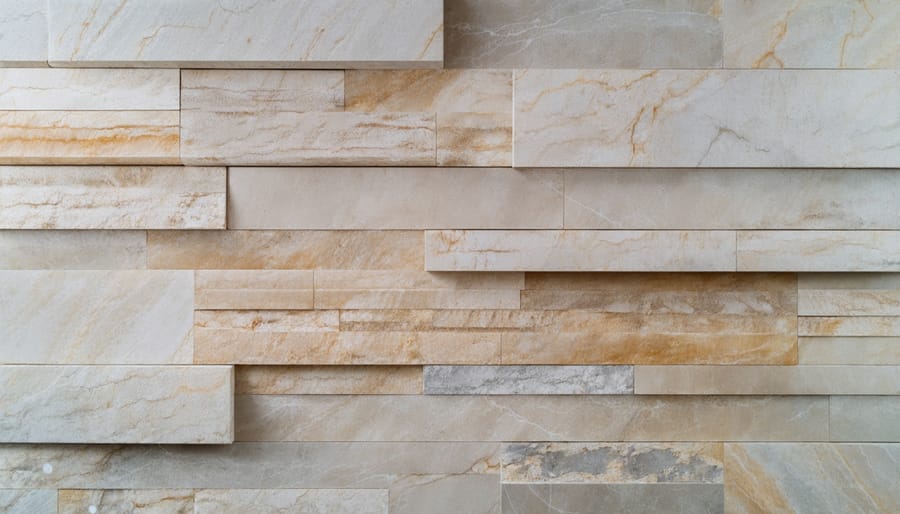
When incorporating stone into foundations and load-bearing walls, proper engineering assessment is essential to ensure structural integrity. Natural stone has been used successfully in stone foundation applications for centuries, but modern standards require specific considerations.
Load-bearing stone walls typically require minimum thickness of 12 inches for single-story structures, increasing to 16-24 inches for multi-story buildings. Compressive strength ratings must meet or exceed 1,800 psi for most residential applications. Professional engineers should evaluate soil conditions, moisture exposure, and anticipated loads before specifying stone types and installation methods.
Proper installation demands a solid concrete footing extending below the frost line, with reinforced concrete bond beams at regular vertical intervals. Mortar joints should be consistent, typically 3/8 to 1/2 inch thick, using Type N or Type S mortar for adequate bonding strength. Weep holes and drainage systems prevent moisture accumulation that could compromise structural performance.
Modern building codes require structural calculations stamped by licensed engineers for load-bearing stone applications. Working with experienced masons familiar with stone’s specific properties ensures compliance with local regulations while maintaining the structural soundness homeowners depend on.
Flooring and Non-Structural Applications
While natural stone in flooring and non-structural applications doesn’t bear building loads, proper installation remains critical to maintaining overall building integrity. Poor practices can lead to substrate damage, moisture infiltration, and premature failure that affects surrounding structural elements.
For stone flooring, substrate preparation is paramount. The underlying structure must be level, stable, and adequately supported to prevent deflection that causes tiles to crack or mortar to fail. A substrate that flexes more than 1/360 of its span can compromise even the strongest stone installation. Using appropriate mortar thickness and selecting the right adhesive type for your specific stone ensures proper load distribution across the substrate.
Countertops require secure anchoring to cabinets or support structures without over-tightening fasteners, which can create stress points. Adequate overhang support prevents cantilever stress that could damage cabinetry or the stone itself.
Exterior cladding demands meticulous attention to drainage planes and flashing details. While the cladding doesn’t support loads, improper installation can trap moisture against structural elements, leading to rot, corrosion, or masonry deterioration. Mechanically anchored systems must account for thermal movement, allowing stone to expand and contract without transferring stress to the building frame. Each anchor point should be engineered to support the stone’s weight with appropriate safety factors while permitting necessary movement.
Working with Structural Engineers and Stone Specialists
Engaging structural engineers early in your project planning prevents costly mistakes and ensures optimal outcomes. For residential applications with heavy stone features like fireplaces, exterior cladding, or flooring over existing structures, consult a structural engineer during the design phase. Commercial projects universally require professional engineering assessments before stone installation begins.
When selecting professionals, ask about their specific experience with natural stone applications. Request examples of similar projects they’ve completed and inquire about load calculations they’ll perform. Essential questions include: What reinforcement methods do you recommend? How will substrate conditions affect installation? What safety factors are you incorporating into your calculations? Understanding their approach to moisture management and thermal movement is equally critical.
Stone specialists complement engineers by providing material-specific expertise. They understand variations between granite, marble, limestone, and other varieties that impact weight, porosity, and installation requirements. A qualified stone specialist can recommend appropriate thickness, finishing techniques, and connection systems for your specific application.
Effective collaboration between your design team, structural engineer, and stone specialist creates a system of checks and balances. The engineer validates structural capacity, the stone specialist ensures material appropriateness, and together they develop installation specifications that protect both aesthetic vision and structural integrity. Request regular communication between these professionals throughout your project. This integrated approach transforms potential structural concerns into confidently executed installations that perform reliably for decades. Documentation from both professionals also provides valuable protection and facilitates future maintenance or modifications.
Real-World Evidence: Natural Stone in Structurally Sound Buildings
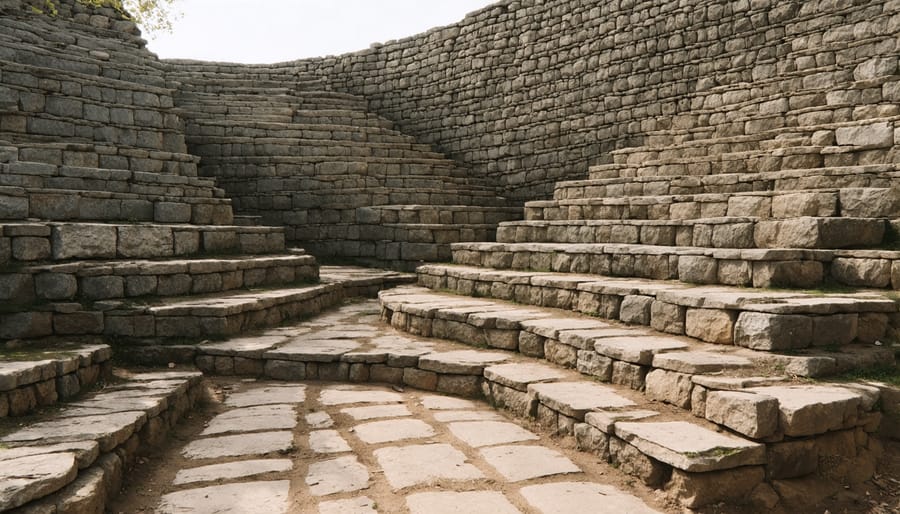
Throughout history and into modern construction, natural stone has proven its structural merit through countless real-world applications. These examples demonstrate not just aesthetic appeal, but measurable contributions to building integrity.
The Pantheon in Rome stands as perhaps the most compelling testament to stone’s structural capabilities. Completed in 126 AD, its unreinforced concrete dome—supported by thick granite and marble walls—remains the world’s largest unreinforced concrete dome nearly 2,000 years later. The strategic use of volcanic stone aggregates and the graduated density of stone materials from base to apex created a structure that has withstood earthquakes, weathering, and the test of time without major structural intervention.
In contemporary commercial construction, the Bloomberg European Headquarters in London incorporated over 10,000 square meters of natural stone into its design. The project team measured a 35% improvement in thermal mass performance compared to conventional materials, which directly reduced the building’s cooling load and contributed to its BREEAM Outstanding rating. The stone facades and interior applications added structural mass that enhanced the building’s overall stability while meeting stringent sustainability metrics.
For residential applications, a 2019 project in Colorado showcased stone’s practical benefits. The homeowners incorporated 18-inch-thick limestone walls as both exterior cladding and load-bearing elements. Engineering reports documented a 42% reduction in lateral load deflection during wind events compared to standard wood-frame construction with stone veneer. The thermal mass of the stone walls also reduced heating costs by 28% annually, as verified by utility monitoring over three years.
These cases span millennia yet share common outcomes: enhanced durability, improved thermal performance, and verifiable structural advantages that justify stone’s continued relevance in modern building practices.
When properly engineered and installed, natural stone enhances rather than compromises structural integrity. Throughout history and in modern construction, stone has consistently demonstrated exceptional performance as both a load-bearing and cladding material. The key to success lies in professional assessment and adherence to engineering principles specific to stone applications.
The evidence is clear: natural stone offers compressive strength that rivals or exceeds many conventional building materials, while its density and thermal mass contribute to overall building stability. However, these benefits only materialize when projects account for stone’s unique characteristics, including weight distribution, proper support systems, and appropriate installation techniques.
Working with experienced professionals—from structural engineers to certified installers—ensures that your natural stone application will strengthen your structure for decades to come. These experts understand load calculations, substrate requirements, and the specific properties of different stone varieties, transforming potential concerns into structural advantages.
Natural stone’s millennium-long track record speaks for itself. From ancient monuments still standing today to cutting-edge contemporary buildings, stone continues to prove its structural reliability. Whether you’re considering stone for a residential renovation or commercial project, you can move forward with confidence knowing that natural stone, when properly integrated, represents one of the most structurally sound material choices available.