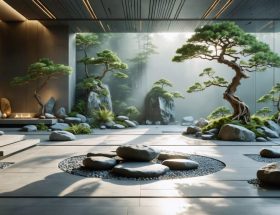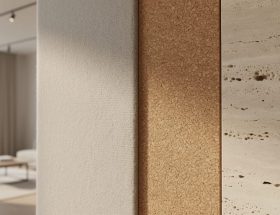
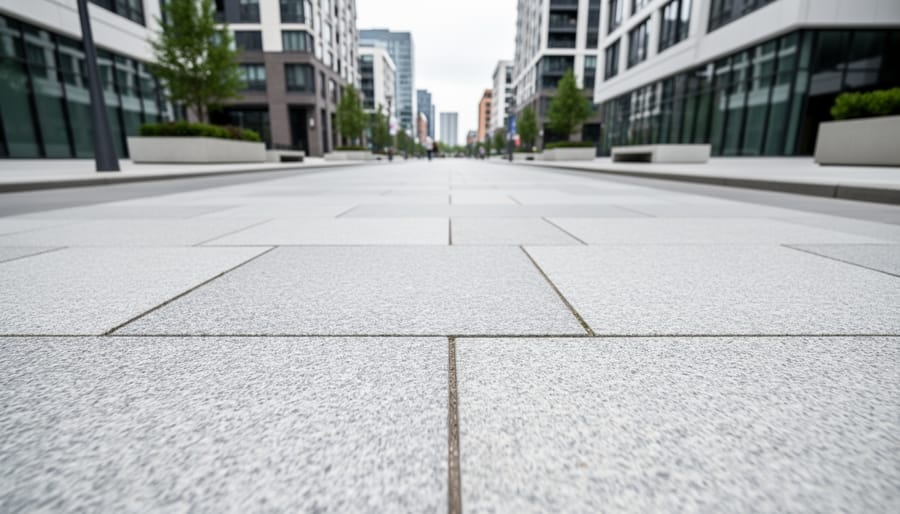
Quartz natural stone brings exceptional hardness, visual consistency, and weather resistance to landscape projects, making it a practical choice for urban plazas, high-traffic pathways, and exposed site conditions where durability matters most. Unlike softer sedimentary materials that weather unpredictably or granite that shows wide color variation within a single shipment, quartz delivers reliable performance and tighter aesthetic control across large installations.
For landscape architects and project specifiers working in 2026, understanding quartz’s material properties helps answer critical questions about longevity, maintenance costs, and design flexibility. This engineered stone option performs well in freeze-thaw cycles, resists staining from urban pollutants, and maintains surface integrity under pedestrian loads. These characteristics translate to lower lifecycle costs and fewer warranty claims compared to traditional paving options.
The material’s composition, typically 90-95% ground natural quartz bound with polymer resins, creates surfaces that resist scratching, chemical exposure, and UV degradation. This consistency matters when coordinating material selections across multiple project phases or when matching existing installations years later. Municipal planners appreciate the predictable color stability, while developers value the reduced maintenance burden.
Real-world applications demonstrate quartz’s versatility. It functions effectively in commercial plaza paving, pool deck surrounds, building facades, and transit station finishes. Each application benefits from the material’s low porosity and resistance to biological growth, characteristics that become especially valuable in humid climates or shaded installations prone to algae and moss accumulation.
This guide addresses material specifications, proper installation methods, performance comparisons with alternatives like granite and porcelain, and project case studies that illustrate successful applications. Whether you’re evaluating options for a new civic space or specifying materials for a private development, the technical information ahead supports informed decision-making grounded in practical project requirements.
What Makes Quartz Natural Stone Unique for Landscape Applications
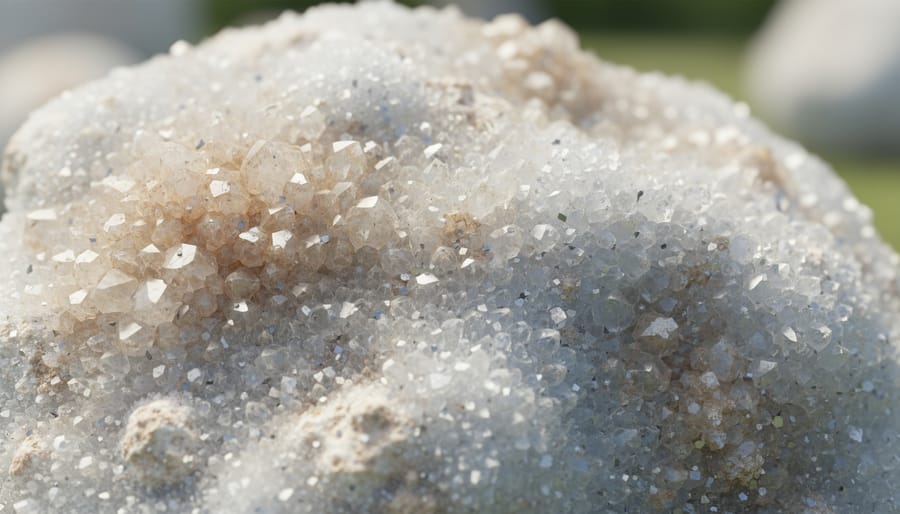
Quartz natural stone stands apart from other landscape materials because of its crystalline structure, silicon dioxide molecules locked into a framework that creates exceptional density and durability. Unlike sedimentary stones that form from compressed layers, quartz develops through igneous or metamorphic processes, where extreme heat and pressure forge tight molecular bonds. This geological origin gives it a silica content typically exceeding 90%, which directly translates to the hardness and resilience landscape architects need in demanding urban projects.
On the Mohs hardness scale, quartz rates a 7, placing it well above most alternatives used in landscape design. Limestone sits around 3, sandstone between 6 and 7, and even granite ranges from 6 to 7 depending on composition. This superior hardness means quartz resists scratching, abrasion from foot traffic, and damage from maintenance equipment. Public plazas and high-traffic walkways see far less surface wear over decades compared to softer stones that develop noticeable degradation within years.
Weather resistance sets quartz apart in outdoor installations. Its non-porous nature prevents water infiltration, which eliminates the freeze-thaw damage that cracks and spalls many landscape stones. Water cannot penetrate the surface to expand when frozen, so quartz maintains structural integrity through harsh winter cycles. This same characteristic prevents staining from organic matter, mineral deposits, and urban pollutants. Fountain surrounds stay cleaner longer, and pedestrian pavements don’t develop the dark streaks common with porous materials.
The color palette reflects quartz’s mineral purity. Pure specimens appear milky white or clear, while trace elements create variations, iron oxide produces warm pink and rose tones, aluminum generates smoky grays, and manganese contributes purple hues. Most landscape-grade quartz presents in whites, light grays, and soft earth tones that coordinate with contemporary urban design aesthetics. These colors remain stable under UV exposure, unlike some treated stones that fade or discolor after years in direct sunlight.
This combination of hardness, impermeability, and color stability translates directly to lower lifecycle costs. Quartz requires minimal sealing compared to granite, no regular resealing like limestone, and resists the biological growth that mars sandstone in humid climates. For landscape designers balancing initial material costs against decades of performance, quartz delivers measurable value through reduced maintenance interventions and extended replacement cycles.
Urban Landscape Applications Where Quartz Excels
Paving and Hardscape Elements
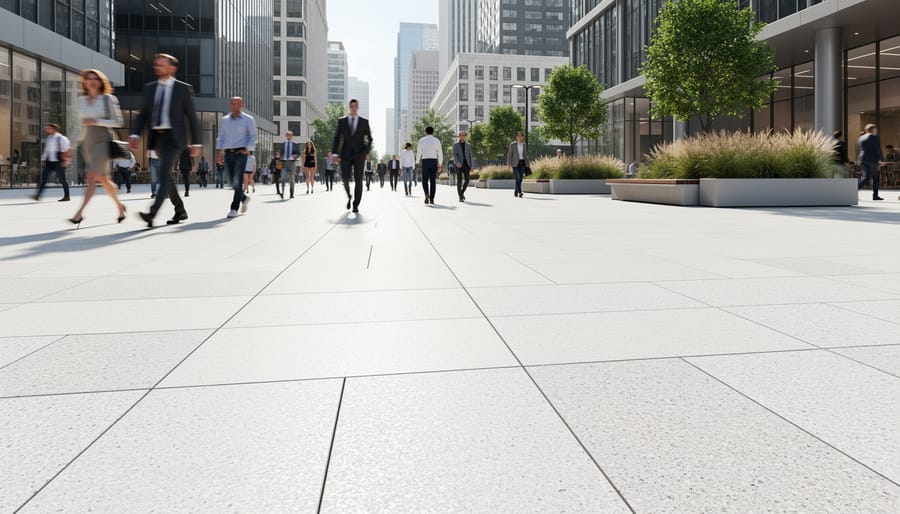
Quartz pavers and cobblestones have become fixtures in high-traffic pedestrian zones because they withstand millions of footsteps without showing significant wear. In plaza installations across North America and Europe, designers specify quartz for its exceptional hardness, rating 7 on the Mohs scale, which resists chipping and surface degradation far better than softer limestones or sandstones. The material’s dense crystalline structure means pavers maintain their profile and don’t develop the hollowed-out wear patterns common in sedimentary stone.
Slip resistance varies by surface finish, making selection critical for safety. Tumbled quartz pavers offer the best traction in wet conditions, their rounded edges and slightly irregular surfaces creating micro-grip that meets ADA requirements for accessible routes. Sawn finishes provide a cleaner, contemporary look suitable for corporate terraces and modern plazas, though specifiers often request light flaming or brushing to improve wet-weather traction. Natural cleft surfaces fall between these extremes, offering good slip resistance with a more organic aesthetic that complements naturalistic urban stone design schemes.
Color stability is another practical advantage. Unlike granite, which can develop rust staining from iron content, or marble, which etches under acid rain, quartz maintains its original appearance for decades. Designers working on 20-year master plans appreciate this longevity, knowing the material will age gracefully without requiring replacement or intensive restoration.
Water Features and Fountains
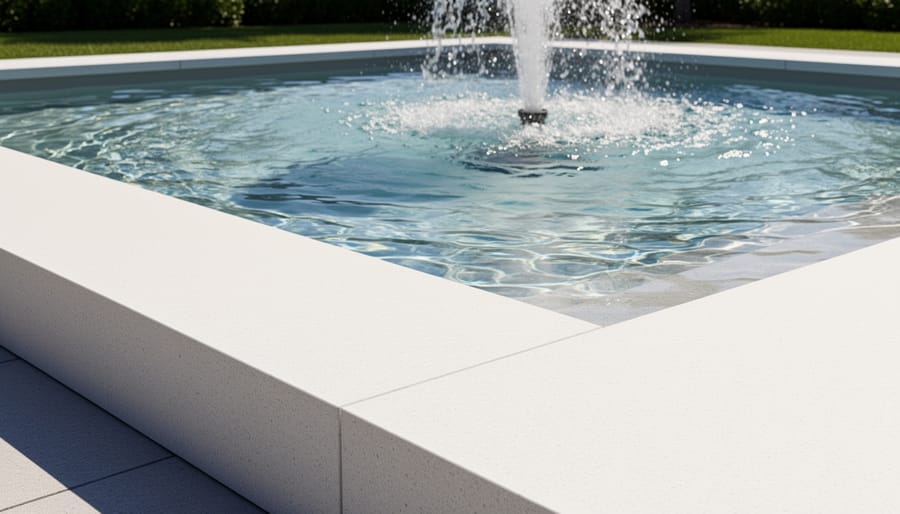
Quartz’s mineral structure creates a nearly impermeable surface that resists water absorption, making it exceptionally well-suited for fountain basins, pool coping, and water feature surrounds. Unlike porous stones that develop water stains, efflorescence, or structural deterioration from freeze-thaw cycles, quartz maintains its integrity and appearance even when continuously submerged or exposed to splashing water.
This non-porous quality directly translates to reduced maintenance in public water installations. Algae, mildew, and biofilm struggle to establish themselves on quartz surfaces because they lack the moisture-retaining microtextures found in limestone or sandstone. Fountain surrounds and pool edges stay cleaner longer, requiring less frequent chemical treatments and mechanical cleaning. When cleaning is necessary, quartz tolerates pressure washing and mild cleaning solutions without etching or discoloration.
For reflecting pools in corporate plazas and municipal parks, quartz provides a stable, non-reactive surface that won’t leach minerals into the water or alter pH levels. The stone’s natural color range, from cool whites to warm grays, complements water features without competing visually, allowing the movement and reflection of water to remain the focal point.
In climates with winter freezing, quartz’s low porosity minimizes water intrusion that would otherwise expand and crack the stone, extending the service life of fountain infrastructure and reducing repair costs over decades of use.
Seating Walls, Planters, and Vertical Elements
Quartz’s structural integrity and visual character make it a standout choice for vertical landscape elements that serve both functional and aesthetic purposes. Built seating walls in plazas and courtyards benefit from quartz’s hardness and smooth surface, which resists chipping and maintains a clean appearance despite constant contact with clothing, bags, and shoes. The stone’s weight provides stability without requiring extensive reinforcement, while its natural color variations create visual interest across long bench runs.
For raised planters and retaining walls, quartz delivers exceptional performance under the combined stress of soil pressure, freeze-thaw cycles, and moisture exposure. Unlike softer sedimentary stones that can crumble or flake, quartz maintains its structural profile and face integrity for decades. The material’s low porosity prevents water infiltration that could lead to spalling or crack propagation in winter climates, making it particularly reliable in northern urban environments.
Decorative columns and bollards carved from quartz blocks add sculptural presence to pedestrian zones. While full-thickness elements require skilled stonework, stone veneer applications allow designers to achieve the quartz aesthetic at reduced weight and cost for certain installations. When planning stone columns design consider that quartz’s resistance to acid rain and urban pollutants means these elements weather gracefully, developing a subtle patina rather than deteriorating. This longevity makes quartz vertical installations particularly cost-effective in high-visibility public spaces where replacement would be disruptive and expensive.
Decorative Aggregates and Ground Cover
Crushed quartz and quartz pebbles offer landscape architects a functional alternative to traditional mulch and impermeable ground covers in urban settings. When spread 2-3 inches deep around tree bases, quartz aggregates suppress weeds while allowing rainwater to permeate the soil below. Unlike organic mulches that decompose and require annual replacement, quartz remains stable for years, reducing maintenance cycles and labor costs in parks and streetscapes.
For permeable pathways in high-traffic areas, compacted quartz provides a firm walking surface that drains freely during storms. The angular edges of crushed quartz interlock when properly installed over a geotextile base, creating a stable matrix that resists displacement from foot traffic yet lets water pass through to recharge groundwater. This reduces runoff into storm sewers and helps municipalities meet stormwater management targets in redevelopment projects.
Quartz aggregates also serve decorative purposes in contemporary landscape design. White or pink quartz pebbles create visual contrast against dark pavers in plaza designs, define planting beds without rigid edging, and add textural interest to rain gardens. The reflective quality of light-colored quartz brightens shaded spaces beneath building overhangs or dense tree canopies.
From a sustainability standpoint, quartz’s longevity means fewer replacement cycles compared to wood chips or shredded bark. Quartzite and quartz aggregates don’t leach tannins into soil or waterways, making them suitable for installations near sensitive aquatic environments. When projects eventually undergo redesign, quartz can be reclaimed, cleaned, and reused in new applications rather than sent to landfills.
Performance Benefits in High-Traffic Urban Environments
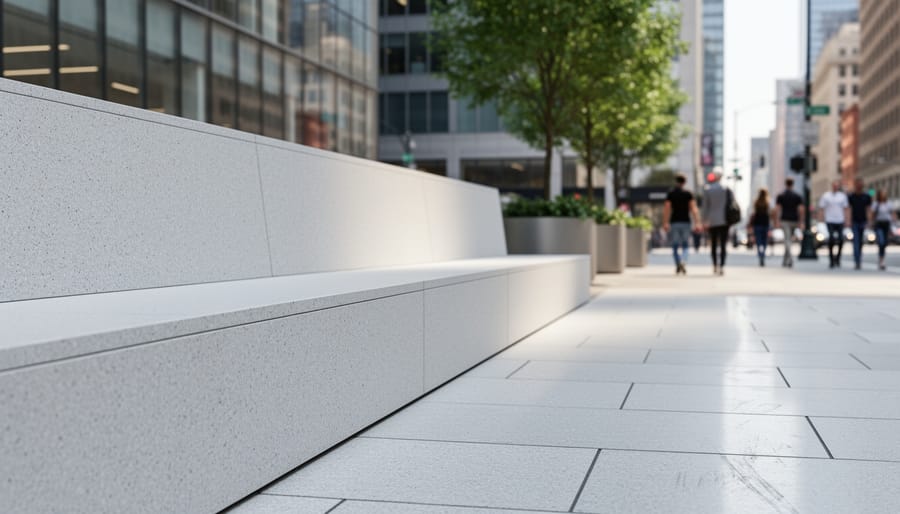
Quartz natural stone delivers measurable performance advantages in urban landscapes where foot traffic, weather extremes, and public use create constant stress on materials. Its crystalline structure provides a hardness rating of 7 on the Mohs scale, making it substantially more resistant to surface abrasion than sandstone, limestone, or concrete pavers. In pedestrian plazas and transit areas with thousands of daily footfalls, quartz maintains its surface texture and appearance with minimal degradation, while softer alternatives show visible wear paths within the first few years.
The non-porous nature of quartz creates a hostile environment for graffiti adhesion. Spray paint, markers, and adhesive residues sit on the surface rather than penetrating the stone, allowing removal with standard cleaning agents without the harsh chemicals or high-pressure washing that damages more absorbent materials. This characteristic alone reduces maintenance costs significantly in vandalism-prone public spaces, eliminating repeated sealing treatments and surface restoration work.
Municipal maintenance teams appreciate quartz’s tolerance to de-icing salts used during winter operations. Where granite can develop surface pitting and limestone suffers erosion from repeated salt exposure, quartz shows no chemical reaction to chloride-based treatments. The material doesn’t absorb moisture that can freeze and cause spalling, maintaining structural integrity through freeze-thaw cycles that destroy lesser materials.
Unlike pigmented concrete or colored pavers that fade under constant UV exposure, quartz retains its natural color indefinitely. The mineral composition responsible for its appearance is stable and unaffected by sunlight, ensuring that plazas and pathways maintain their intended aesthetic without color restoration or replacement.
From a lifecycle cost perspective, quartz’s durability and low maintenance demands create compelling economics despite higher initial material costs. A properly installed quartz installation typically requires only periodic sweeping and occasional washing over a 50-plus-year lifespan, with no sealing, refinishing, or section replacement. When installation costs are amortized across decades of service with minimal intervention, quartz frequently delivers lower total ownership cost than materials requiring ongoing maintenance, periodic sealing, or premature replacement due to wear or weathering failures.
Design Considerations and Installation Best Practices
Successful quartz installation starts with proper substrate evaluation and preparation. The base must be stable, compacted, and capable of supporting both the stone’s weight and anticipated traffic loads. For paving applications, a well-graded aggregate base of at least four to six inches is standard, with a sand setting bed for dry-laid installations or a concrete slab for mortared applications. Drainage is critical: design for a minimum 2% slope away from structures, and incorporate adequate subsurface drainage systems to prevent water pooling beneath the stone, which can cause frost heave in cold climates or base erosion over time.
Mortar and adhesive selection depends on the application and exposure conditions. For horizontal paving, a polymer-modified mortar offers superior bond strength and flexibility to accommodate thermal expansion. Joint spacing should account for the stone’s size and finish, typically three-eighths to half an inch for smaller pavers, wider for larger slabs, and joints must be filled with permeable polymeric sand or mortared with a mix that allows water permeability where stormwater management is a priority. Edge detailing prevents stone migration and maintains clean lines; use concealed steel or aluminum restraints for contemporary designs, or mortared borders for traditional aesthetics.
Coordinate closely with landscape architects during the design phase to integrate quartz with other materials, plantings, and site features. Address transitions between quartz and adjacent surfaces, concrete, asphalt, or planted areas, early to avoid awkward joints or drainage conflicts. For vertical elements like seating walls or planters, specify appropriate footings and weep holes to manage water migration. In projects requiring acoustic design considerations for urban plazas, discuss how quartz placement and finish textures can influence sound reflection patterns. Establish clear communication protocols between the design team, general contractor, and stone installer to ensure technical specifications translate accurately from drawings to field execution. Regular site inspections during installation catch issues before they become costly corrections.
Real-World Case Studies
Several high-profile urban projects demonstrate quartz natural stone’s versatility and performance in real-world landscape applications.
The redesigned Chicago Riverwalk employed tumbled white quartz pavers throughout its floating wetland section, completed in phases between 2015 and 2024. Landscape architects specified quartz for its resistance to freeze-thaw cycles and ability to withstand heavy pedestrian traffic along the 1.25-mile public promenade. The pavers maintain their slip-resistant texture even when wet, a critical safety feature for a waterfront installation. After multiple harsh Midwest winters, the quartz surfaces show minimal deterioration and require only periodic power washing to remove urban grime.
Hudson Yards in New York City incorporated crushed pink quartz aggregates throughout the plaza-level gardens surrounding The Vessel landmark. The design team selected quartz for its reflective qualities, which complement the development’s contemporary architecture while providing excellent drainage in the raised planter beds. The non-porous aggregate prevents water pooling and reduces maintenance needs across the five-acre public space. The material has proven resistant to salt damage from winter de-icing applications, maintaining its aesthetic appeal year-round since the 2019 opening.
A corporate campus in Austin, Texas, features a sculptural fountain with stacked quartz slabs as the primary water feature element. The architecture firm chose smoky gray quartz for its modern appearance and natural color variation that creates visual interest without requiring additional treatments. The stone’s low porosity prevents algae buildup and mineral staining, significantly reducing maintenance costs compared to the limestone originally considered. Three years after installation, the fountain requires cleaning only twice annually while maintaining its original appearance despite intense Texas sun exposure.
Common Questions About Quartz in Landscape Design
How does quartz compare to granite for outdoor paving?
Both materials perform exceptionally well in paving applications, but quartz typically offers superior hardness and scratch resistance due to its higher silica content. Granite provides more color variety and veining patterns, while quartz delivers cleaner, more uniform aesthetics with equal or better durability.
Does quartz require sealing in landscape applications?
Unlike many natural stones, quartz’s extremely low porosity means sealing is generally unnecessary for most landscape installations. This non-porous characteristic makes quartz particularly valuable for water features and high-moisture environments where other stones would require regular sealing maintenance.
What’s the typical cost range compared to concrete or porcelain pavers?
Quartz stone typically costs more upfront than standard concrete pavers but less than premium porcelain tiles. When factoring in the 50-plus-year lifespan and minimal maintenance requirements, the total cost of ownership often favors quartz over cheaper alternatives that need replacement or intensive upkeep.
Can quartz stone handle freeze-thaw cycles?
Yes, quartz excels in freeze-thaw conditions because its low water absorption rate prevents moisture from penetrating and expanding within the stone. This makes it ideal for northern climates and high-altitude projects where seasonal temperature fluctuations would damage more porous materials.
Is quartz slippery when wet?
Slip resistance depends entirely on the surface finish. Tumbled, flamed, or natural cleft quartz provides excellent traction even when wet, while polished or honed finishes can be slippery and are generally avoided for paving applications.
How do you clean and maintain quartz surfaces in public spaces?
Routine maintenance involves simple sweeping and occasional pressure washing with water. For stubborn stains or graffiti, pH-neutral stone cleaners work effectively without damaging the surface, and the non-porous nature prevents most contaminants from penetrating deeply.
Beyond these common technical questions, landscape architects often ask about lead times and availability. Quartz sourcing depends on quarry location and project scale, but most suppliers can deliver standard formats within four to six weeks. Custom cuts, specialty finishes, or large-volume orders for municipal projects may require longer planning horizons, so early specification helps avoid delays.
Color consistency concerns also arise frequently. While quartz offers more uniformity than heavily veined stones like marble, natural variation still exists between quarry blocks. Requesting samples from the same production run and reviewing full pallets before installation helps ensure cohesive aesthetics across large plaza or pathway projects. Reputable suppliers will provide material from matched lots when consistency matters for the design intent.
Sourcing and Sustainability Considerations
Quartz deposits exist across multiple continents, with significant quarrying operations in Brazil, India, Norway, the United States, and Canada. Regional availability varies by color and quality grade, but quartz’s abundance compared to rarer stones like marble generally keeps supply stable and costs predictable for large-scale landscape projects. Shorter supply chains reduce transportation emissions and support local economies, so specifying domestically sourced quartz where feasible directly lowers a project’s carbon footprint.
From an environmental standpoint, quartz quarrying carries a lighter impact than many building materials. Modern quarries increasingly use water recycling systems and precision cutting technology to minimize waste, and because quartz doesn’t require chemical treatments or sealants for landscape applications, there’s no ongoing environmental burden from maintenance products. The stone’s exceptional durability means it doesn’t need replacement for decades, avoiding the resource consumption and waste associated with shorter-lived alternatives like concrete pavers or composite decking.
Longevity is quartz’s strongest sustainability credential. A properly installed quartz plaza or walkway can serve urban populations for fifty years or more without deterioration, effectively amortizing its embodied carbon over generations of use. This permanence aligns with sustainable architecture principles emphasizing lifecycle thinking over first-cost decisions.
For projects pursuing LEED certification, quartz can contribute to several credits including regional materials (if quarried within 500 miles), recycled content (if reclaimed stone is incorporated), and heat island reduction (light-colored quartz reflects solar radiation). Designers should request quarry documentation on extraction practices, worker safety standards, and land reclamation plans. Third-party certifications like NSC 373 (Natural Stone Sustainability Standard) provide verified evidence of responsible sourcing, though availability varies by supplier and region.
Quartz natural stone has earned its place as a cornerstone material in contemporary urban landscape design. Its exceptional durability, minimal maintenance demands, and timeless aesthetic appeal make it a compelling choice for designers who need materials that perform as beautifully as they look. Where other hardscape options may require frequent repairs, surface treatments, or replacements, quartz delivers decades of reliable service with remarkably little intervention.
For landscape architects and urban planners evaluating materials for plazas, pathways, water features, or public gathering spaces, quartz offers a rare combination: it meets the practical demands of high-traffic environments while providing the design flexibility to realize creative visions. The material’s resistance to weathering, staining, and urban pollutants translates directly to lower lifetime costs and sustained visual quality that keeps public spaces welcoming year after year.
As cities increasingly prioritize sustainable infrastructure and resilient design, quartz’s longevity and low environmental impact position it as more than just a surface material. It represents an investment in spaces that endure, reducing the resource consumption and disruption associated with replacement cycles. Whether you’re designing a corporate campus, revitalizing a waterfront, or creating neighborhood gathering spots, quartz natural stone deserves serious consideration. Its proven track record in demanding applications speaks to a material that will continue serving urban landscapes well into the future, adapting to evolving design aesthetics without compromising performance.