
Inlay crushed stone transforms ordinary surfaces into stunning works of art, building upon ancient stone design techniques to create intricate patterns and designs in modern applications. This versatile method embeds carefully selected stone fragments into a host material—typically concrete, epoxy, or wood—creating durable, decorative surfaces that combine aesthetic appeal with practical functionality.
The technique has evolved from traditional mosaic work into a contemporary design solution, offering architects and designers unprecedented creative freedom while maintaining the timeless beauty of natural stone. Whether used in flooring, countertops, or decorative wall panels, crushed stone inlay delivers depth, texture, and visual interest that simply cannot be achieved with conventional surface treatments.
Modern applications range from subtle accent borders to bold, full-surface designs, with each installation telling its own unique story through carefully chosen stone colors, sizes, and patterns. This method not only creates visually striking features but also provides exceptional durability and longevity, making it an increasingly popular choice for both residential and commercial projects seeking to make a lasting impression.
Understanding Crushed Stone Inlay Materials
Selecting the Right Stone Types
Selecting the right crushed stone for inlay projects requires careful consideration of both aesthetic and practical factors. The stone’s color, size, and natural stone textures play crucial roles in achieving the desired visual impact.
For decorative inlays, angular crushed stone typically works better than rounded varieties, as it creates more stable compositions with better interlocking properties. Common size ranges include:
• 1/4 inch (6mm) – Ideal for detailed patterns and narrow inlays
• 3/8 inch (10mm) – Versatile mid-range option for most applications
• 1/2 inch (12mm) – Suitable for larger designs and outdoor features
Popular stone types include granite for durability, marble for elegance, and quartz for color variety. Consider the installation environment when selecting materials – some stones may weather differently or require specific maintenance. For outdoor applications, choose stones resistant to freeze-thaw cycles and UV exposure.
The stone’s hardness rating is also important – harder stones like granite (6-7 on the Mohs scale) resist wear better than softer alternatives like limestone (3-4). Match your stone choice to the expected foot traffic and environmental conditions for optimal longevity.

Essential Tools and Binding Materials
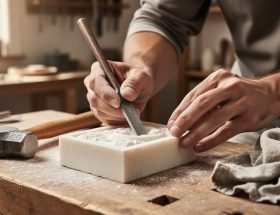
To create stunning crushed stone inlays, you’ll need a specific set of tools and binding materials to ensure professional results. Essential tools include a hammer, chisel, wire brush, level, trowel, and measuring tape. A protective respirator mask and safety goggles are crucial for working with stone dust and epoxy materials.
The primary binding agent for crushed stone inlay is epoxy resin, which comes in two parts: the resin and hardener. Choose a high-quality, clear epoxy that’s specifically formulated for stone applications to ensure proper adhesion and durability. Some projects may also require a primer or bonding agent to enhance adhesion between the substrate and the inlay material.
Additional materials include mixing containers, stirring sticks, and disposable gloves for handling epoxy. A vacuum cleaner with a HEPA filter helps manage dust during preparation and installation. For precise work, you’ll want plastic tape or metal strips to create clean borders and maintain straight lines.
For surface preparation, you may need grinding tools and sandpaper in various grits. A moisture meter can be valuable for checking substrate conditions before installation, as excess moisture can compromise the epoxy’s bonding properties. Keep acetone or appropriate cleaning solutions on hand for tool maintenance and cleanup.
The Crushed Stone Inlay Process
Surface Preparation
Proper surface preparation is crucial for successful crushed stone inlay work. Begin by thoroughly cleaning the base surface, removing any dirt, debris, or loose materials. The surface must be completely dry and free from any moisture that could compromise adhesion.
For concrete surfaces, inspect for cracks, holes, or imperfections that need repair. Fill these areas with appropriate patching compound and allow them to cure fully. Sand the surface to achieve a smooth, even texture that will promote proper bonding between the base and the inlay materials.
When working with existing stone or tile, ensure the surface is structurally sound and well-bonded to the substrate. Remove any loose or damaged sections and repair as needed. Create a slightly roughened texture through mechanical abrasion to improve adhesion.
Mark your inlay pattern clearly using chalk lines or removable tape. For complex designs, create templates to ensure precise placement. The depth of your prepared area should be consistent and appropriate for your chosen crushed stone size – typically 1/4 to 1/2 inch deep.
Apply a primer or bonding agent compatible with both your base surface and chosen adhesive. This step enhances adhesion and helps prevent future separation. Allow the primer to cure according to manufacturer specifications before proceeding with the inlay installation.
Pattern Design and Layout
Creating an effective pattern for crushed stone inlay begins with a clear design concept that complements both the surrounding space and the materials being used. Start by sketching your design on paper, considering the flow of traffic, focal points, and the overall aesthetic you want to achieve. Simple geometric patterns work well for beginners, while more complex designs might incorporate curves, spirals, or custom motifs.
Transfer your design to the installation surface using chalk lines, marking paint, or template materials. For precise layouts, divide the space into a grid system, which helps maintain proportions and ensures symmetry. When working with multiple colors or types of crushed stone, clearly mark different sections to prevent mixing during installation.
Consider the size and scale of your pattern in relation to the space. Larger patterns typically work better in open areas, while smaller, more intricate designs are suitable for compact spaces or accent features. Leave adequate space between different sections of the pattern to accommodate divider strips or borders that will separate distinct areas of crushed stone.
For curved elements, use flexible PVC strips or metal banding to create smooth, flowing lines. These materials can be easily shaped and secured to form precise boundaries between different sections of crushed stone. Remember to account for the depth of your inlay when planning the pattern, ensuring consistent thickness throughout the design for a professional finish.
Installation Techniques
Proper installation of crushed stone inlay requires careful preparation and attention to detail. Begin by thoroughly cleaning the base surface and ensuring it’s completely dry. Create a template of your desired pattern using masking tape or flexible strips to define the boundaries of the inlay area.
Using a router or chisel, carefully cut the recess to a uniform depth of approximately 1/4 to 3/8 inch, depending on your design requirements. The depth should accommodate both the crushed stone and binding material. Clean out all debris from the carved area using compressed air or a vacuum.
Apply a suitable epoxy or binding agent to the recessed area, following manufacturer guidelines for mixing ratios. When implementing advanced stone inlay techniques, consider using a clear epoxy that allows the natural color of the stone to shine through.
Carefully pour the crushed stone into the prepared recess, ensuring even distribution. Use a small trowel or spreading tool to work the stone into the corners and edges. Slightly overfill the recess to account for settling. Once the binding agent begins to set, use a rubber float to compress and level the stone.
After the epoxy has fully cured (typically 24-48 hours), sand the surface flush with the surrounding material using progressively finer grits. Finally, seal the completed inlay to protect against moisture and staining.

Design Applications and Inspiration
Interior Applications
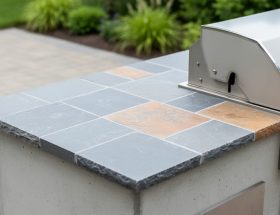
Crushed stone inlay brings natural elegance to interior spaces, offering versatile design possibilities that complement both traditional and contemporary aesthetics. In residential settings, this technique is particularly striking in foyer floors, where intricate patterns create memorable first impressions. Kitchen countertops featuring crushed stone inlay add unique character while maintaining functionality, especially when incorporating contrasting stone colors.
Bathroom applications are equally impressive, with crushed stone inlay appearing in vanity tops, shower niches, and decorative wall panels. The moisture-resistant properties of properly sealed stone make these applications both beautiful and practical. For living spaces, designers often incorporate crushed stone inlay in fireplace surrounds, creating focal points that draw the eye and enhance architectural features.
Commercial spaces benefit from crushed stone inlay’s durability and visual impact. Hotel lobbies and restaurant floors featuring geometric patterns or company logos in crushed stone demonstrate both luxury and brand identity. Conference rooms and executive offices often showcase custom inlay designs in tabletops or floor borders, adding sophistication to corporate environments.
Creative applications include decorative wall medallions, threshold transitions between different flooring materials, and custom furniture pieces like coffee tables or console tops. The technique’s versatility allows for both subtle accents and bold statements, making it adaptable to various interior design styles and preferences.

Exterior Applications
Inlay crushed stone offers versatile design possibilities for exterior applications, enhancing outdoor spaces with both aesthetic appeal and practical functionality. Popular applications include garden pathways, driveway borders, patio designs, and decorative landscape features. The material’s durability and weather resistance make it particularly suitable for outdoor installations in various climate conditions.
When incorporating crushed stone inlays outdoors, proper drainage consideration is essential. The installation should include adequate base preparation and appropriate depth to prevent water accumulation and frost heave in colder regions. For pathways and high-traffic areas, combining crushed stone with concrete or pavers creates striking patterns while ensuring stability and longevity.
Landscape designers often use contrasting colors and textures of crushed stone to create distinctive patterns and focal points. Popular exterior designs include meandering pathway borders, circular medallions in patios, and decorative transitions between different outdoor living spaces. The material can be effectively used to complement existing hardscaping elements and natural features.
For optimal results in exterior applications, selecting the appropriate stone size and color is crucial. Larger crushed stone pieces (3/8″ to 3/4″) typically work better for outdoor installations, as they’re less likely to scatter and provide better drainage. Consider using locally sourced stone varieties that complement your region’s natural landscape and architectural elements while ensuring long-term durability against environmental exposure.
Maintenance and Care
Regular maintenance is essential to preserve the beauty and integrity of crushed stone inlays. Begin with gentle daily cleaning using a soft-bristled broom or vacuum to remove loose debris and prevent scratching. For deeper cleaning, use a pH-neutral stone cleaner and avoid acidic or abrasive cleaning products that could damage the stone or grout.
Periodic sealing is crucial to protect both the crushed stone and surrounding materials. Apply a high-quality penetrating sealer every 12-18 months, or more frequently in high-traffic areas. Before sealing, ensure the surface is thoroughly clean and completely dry. Professional stone polishing methods may be necessary to restore luster if the inlay becomes dull over time.
Address any loose stones or deteriorating grout immediately to prevent further damage. Small repairs can often be handled by carefully removing loose material, cleaning the area, and applying fresh grout or adhesive. For larger repairs or complex patterns, consult a professional stone installer.
Monitor the inlay for signs of wear, particularly in high-traffic areas or outdoor installations exposed to weather. Watch for cracking, discoloration, or settling, which may indicate underlying issues requiring attention. In outdoor applications, ensure proper drainage to prevent water accumulation that could compromise the installation.
For commercial installations, establish a maintenance schedule that includes regular inspections and professional cleaning at least twice yearly. Document all maintenance activities and keep records of products used to ensure consistent care over time.
Crushed stone inlay represents a versatile and elegant design solution that combines durability with artistic expression. Throughout this guide, we’ve explored the various applications, techniques, and considerations that make this method a valuable addition to both residential and commercial projects. From selecting the right materials and preparing surfaces to executing precise installation and maintaining the finished product, each step contributes to creating stunning visual impact and lasting beauty.
Whether you’re considering a subtle border detail in your foyer or planning an elaborate medallion for a commercial space, crushed stone inlay offers unlimited potential for customization. The combination of different stone colors, sizes, and patterns allows for unique expressions that can complement any architectural style or design vision.
Remember that successful implementation relies on careful planning, proper preparation, and attention to detail during installation. While some smaller projects might be suitable for experienced DIY enthusiasts, complex designs often benefit from professional expertise to ensure optimal results and longevity.
As you consider incorporating crushed stone inlay into your next project, take time to explore different design possibilities and consult with experienced professionals who can help bring your vision to life. With proper execution and maintenance, crushed stone inlay can provide years of beauty and distinction to any space, making it a worthwhile investment in both aesthetics and functionality.