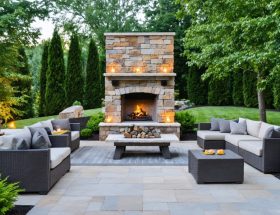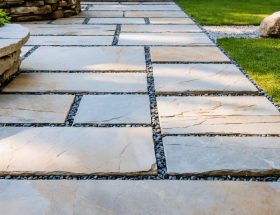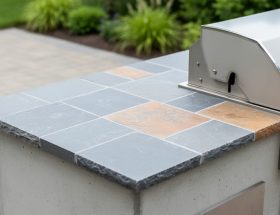

A stone outdoor dining table transforms your patio or garden into a permanent entertaining destination that withstands decades of sun, rain, and temperature extremes while requiring minimal upkeep. Unlike wood that warps or metal that rusts, natural stone surfaces maintain their structural integrity and aesthetic appeal through countless seasons, making them the cornerstone of well-designed outdoor kitchens.
Select granite for high-traffic outdoor dining areas where heat resistance and durability matter most. This dense igneous rock resists scratches from serving dishes, handles hot cookware without damage, and stands up to harsh UV exposure without fading. Granite’s tight crystalline structure also repels moisture penetration, preventing the freeze-thaw damage that compromises lesser materials in cold climates.
Choose limestone or travertine when prioritizing a softer, more organic aesthetic that complements Mediterranean or rustic outdoor kitchen designs. These sedimentary stones develop a natural patina over time that many homeowners find appealing, though they require annual sealing to protect against staining from food acids and wine spills.
Consider quartzite as a premium alternative that combines marble’s elegant veining with granite’s weather-resistant properties. This metamorphic stone delivers the sophisticated appearance design professionals seek while offering superior performance in moisture-heavy environments near pools or coastal locations.
Evaluate soapstone for smaller bistro tables or accent pieces where its smooth, matte surface creates intimate dining spaces. Though softer than granite, soapstone’s high talc content makes it naturally stain-resistant and safe for direct food contact without sealers.
The right stone selection depends on your specific climate conditions, design vision, and maintenance commitment level.
The Enduring Appeal of Stone in Outdoor Dining Spaces
Stone has commanded a revered place in outdoor living design for millennia, and its continued popularity in contemporary spaces speaks to qualities that transcend passing trends. From ancient Roman villas to traditional Mediterranean courtyards, natural stone tables have served as gathering points where families and communities share meals beneath open skies. This enduring appeal stems from stone’s unique combination of functional durability and timeless aesthetic value.
The fundamental advantage of stone in outdoor dining applications is its inherent resilience against environmental challenges. Unlike wood that warps or metal that corrodes, stone maintains its structural integrity through decades of exposure to sun, rain, and temperature fluctuations. This natural weather resistance made stone the logical choice for outdoor furnishings throughout history, and modern homeowners continue to appreciate this practical benefit when investing in permanent outdoor living installations.
Beyond durability, stone brings an unmatched visual gravitas to outdoor spaces. Each slab carries unique veining patterns and color variations formed over millions of years, ensuring no two tables are identical. This natural artistry creates an organic connection between built environments and the surrounding landscape, a design principle that resonates strongly in today’s outdoor kitchen trends where seamless indoor-outdoor transitions are paramount.
Contemporary outdoor living design has elevated stone’s role from purely functional to central design statement. Modern homeowners increasingly view outdoor kitchens as extensions of interior living spaces, demanding materials that deliver both performance and sophistication. Stone outdoor dining tables satisfy this dual requirement while adding substantial value to properties. The material’s thermal mass also provides practical benefits, staying cool in summer heat and offering pleasant temperature stability during outdoor dining experiences.
This convergence of historical precedent, natural durability, and aesthetic distinction explains why stone remains the premier choice for discerning homeowners creating permanent outdoor dining spaces that will serve multiple generations.


Natural Stone Types for Outdoor Dining Tables: Which Performs Best?
Granite: The Workhorse of Outdoor Dining
Granite stands as the most popular choice for outdoor dining tables, and for good reason. This igneous rock combines exceptional durability with practical benefits that make it ideal for year-round outdoor use. Granite’s dense composition allows it to withstand freeze-thaw cycles, resist scratching, and maintain its structural integrity even under harsh weather conditions.
One of granite’s standout features is its remarkable heat resistance. You can safely place hot pots and pans directly on the surface without worry of damage, making it perfect for outdoor cooking and dining scenarios. This characteristic, combined with its non-porous nature when properly sealed, means spills from acidic beverages or oily foods won’t leave permanent stains.
Maintenance requirements are refreshingly minimal. A simple wipe-down with mild soap and water handles most cleaning needs, and resealing once or twice annually ensures lasting protection. The variety of available stone finish options allows you to customize the look, from polished high-gloss to textured leather finishes.
Color selection spans an impressive range, from classic blacks and grays to warm beiges, dramatic blues, and speckled earth tones. This versatility enables granite to complement virtually any outdoor kitchen aesthetic while delivering unmatched longevity and performance that justify its position as the industry workhorse.
Marble: Timeless Elegance with Considerations
Marble brings undeniable luxury to outdoor dining spaces, with its distinctive veining and natural cooling properties making it particularly appealing for warm climates. The stone’s cool surface temperature remains comfortable even in direct sunlight, creating an ideal dining experience during hot summer months.
However, marble requires honest consideration for outdoor use. Its porous nature makes it susceptible to staining from food, beverages, and organic matter. Rain, humidity, and temperature fluctuations can accelerate weathering, causing the polished surface to become etched or develop a patina over time. Unlike granite’s durability, marble demands more attentive care in exterior applications.
For those committed to marble’s aesthetic, success lies in proper selection and maintenance. Choose lighter-colored varieties that show less weathering, and insist on professional sealing at least twice annually. Consider applying a food-safe penetrating sealer before each season. Position the table under a pergola or covered area to minimize direct weather exposure.
Alternatively, reserve marble for semi-protected outdoor spaces like screened porches or covered patios where it receives shelter from harsh elements. Some homeowners embrace the natural aging process, appreciating how marble develops character outdoors. Understanding these realities upfront ensures realistic expectations and helps determine whether marble aligns with your maintenance commitment and outdoor environment.
Quartzite: Premium Performance for Demanding Climates
Quartzite delivers an exceptional combination of aesthetic appeal and structural resilience, making it an increasingly popular choice for outdoor dining tables in demanding climates. This metamorphic stone undergoes intense heat and pressure during formation, resulting in a material that rivals granite’s durability while displaying the elegant veining patterns typically associated with marble.
From a performance standpoint, quartzite excels in outdoor environments. Its low porosity makes it highly resistant to moisture absorption, preventing freeze-thaw damage in cold climates and reducing staining risks. The stone withstands heat exceptionally well, tolerating direct sunlight and hot cookware without discoloration. Quartzite’s hardness rating of 7 on the Mohs scale means it resists scratching and etching far better than marble, while maintaining enough visual softness to avoid the industrial appearance some granites display.
Cost considerations reflect quartzite’s premium positioning. Expect to invest between 75 to 200 dollars per square foot installed, depending on color rarity and slab quality. While this represents a higher initial investment than granite, the combination of marble-like elegance and minimal maintenance requirements often justifies the premium for homeowners seeking long-term value in high-traffic outdoor spaces.
Travertine and Limestone: The Budget-Friendly Options
For homeowners seeking the aesthetic of natural stone at a more accessible price point, travertine and limestone present compelling options for outdoor dining tables. These sedimentary stones offer distinctive character with their naturally occurring pits, veining, and earth-toned color palettes ranging from creamy beiges to warm tans and grays.
Both materials share a porous structure that creates their signature rustic appeal but also demands proper care. Regular sealing is essential, typically required every 6 to 12 months depending on climate exposure and usage intensity. Without adequate sealing, these stones readily absorb liquids, leading to staining from spilled wine, oils, or acidic foods. Their calcium carbonate composition also makes them susceptible to etching from acidic substances like citrus or vinegar.
Climate considerations significantly impact their longevity. In freeze-thaw climates, moisture trapped within the pores can expand and cause surface spalling or cracking. These stones perform optimally in milder, drier regions where temperature fluctuations remain moderate.
The visible pitting and natural texture that define travertine and limestone tables contribute to their relaxed, Mediterranean-inspired aesthetic. Many designers embrace these imperfections as character-defining features. When properly maintained and installed in suitable climates, these budget-friendly alternatives deliver years of serviceable outdoor dining surfaces with undeniable natural charm.
Slate: Unique Texture with Natural Slip Resistance
Slate brings a distinctive, layered appearance to outdoor dining tables, with its fine-grained texture and rich, earthy tones ranging from charcoal to deep green. The stone’s natural cleft surface provides inherent slip resistance, making it particularly practical for outdoor environments where moisture and condensation are concerns. This textured finish not only enhances safety but also adds visual depth and character to the dining surface. Slate’s density makes it resistant to staining and weathering, though it requires periodic sealing to maintain optimal performance. Its matte finish doesn’t show water spots as readily as polished stones, reducing visible maintenance needs between cleanings.
Weather Resistance and Climate Considerations
Understanding how your stone outdoor dining table will perform in your specific climate is essential for long-term satisfaction and durability. Different stone types respond uniquely to weather conditions, and selecting the right material for your region can prevent costly damage and ensure years of enjoyment.
Freeze-thaw cycles present the most significant challenge in cold climates. When water penetrates stone and subsequently freezes, it expands by approximately 9%, creating internal pressure that can cause cracking, spalling, or surface deterioration. Dense, low-porosity stones like granite and quartzite excel in these conditions, with absorption rates typically below 0.4%. Their tight crystalline structure minimizes water infiltration, making them ideal for northern regions experiencing repeated freeze-thaw events. Conversely, highly porous stones like limestone and travertine can suffer significant damage without proper sealing and maintenance in these environments.
UV exposure affects stone differently depending on composition. Most natural stones demonstrate excellent UV stability, with granite and quartzite showing virtually no fading or degradation even after decades of direct sunlight. However, some darker granites may experience minor color lightening over time. Marble and limestone generally maintain their appearance well, though certain varieties with organic compounds or metal oxides may develop subtle patina changes that many homeowners find attractive rather than problematic.
Humidity and extreme temperatures require different considerations. In consistently humid climates like the Southeast, all stone types can develop surface mold or mildew growth, though this affects appearance rather than structural integrity and can be easily cleaned. Granite and quartzite remain excellent choices for high-humidity regions due to their low porosity. In desert environments with extreme temperature fluctuations, thermal expansion becomes relevant. Granite handles these conditions exceptionally well due to its stable composition, while marble may develop minor surface checking if subjected to extreme temperature swings without adequate installation expansion joints.
For coastal regions, salt exposure demands attention. Dense stones resist salt damage effectively, but regular rinsing helps prevent surface buildup. In tropical climates experiencing both high humidity and intense sun, granite and quartzite offer the best performance-to-maintenance ratio.
Regional recommendations: Cold climates (Zones 3-5) benefit most from granite and quartzite. Temperate regions (Zones 6-8) can accommodate any stone type with appropriate sealing. Hot, arid climates (Zones 9-10) perform well with all dense stones, while humid subtropical areas should prioritize granite and sealed quartzite for minimal maintenance requirements.
Design Integration: Making Your Stone Table the Centerpiece
Coordinating with Stone Kitchen Countertops
Creating a cohesive design between your outdoor kitchen countertops and dining table requires thoughtful coordination of stone materials. Matching the same stone type throughout creates a unified, sophisticated aesthetic—for instance, pairing granite countertops with a granite dining surface establishes visual continuity. Alternatively, complementary stones can add dimension while maintaining harmony. Consider pairing light-toned quartzite countertops with darker basalt or soapstone dining tables for elegant contrast.
When selecting coordinating stones, evaluate surface finishes carefully. A honed finish on both surfaces creates consistency, while mixing a polished counter with a leather-finished table adds textural interest. Color undertones matter significantly—warm-toned travertine pairs beautifully with honey-colored limestone, while cool gray granite complements bluestone.
Professional designers often recommend using the dominant stone for the larger surface area and introducing the secondary stone as an accent. This approach works particularly well in comprehensive natural stone landscaping projects where multiple stone elements need coordination. Test samples together in your actual outdoor lighting conditions before finalizing selections, as natural light reveals subtle variations in color and veining patterns.

Base and Support Structure Options
Selecting the right support structure for a stone outdoor dining table requires careful attention to weight distribution and durability. Stone tops, particularly granite and marble slabs, can weigh several hundred pounds, making robust support essential for both safety and longevity.
Full stone pedestal bases offer a cohesive, monolithic appearance and provide excellent stability. These single-column or multi-leg stone supports create a unified aesthetic while naturally handling heavy loads. However, they increase overall weight significantly and require proper foundation preparation, especially on decks or elevated surfaces.
Metal frame bases present a practical alternative, combining strength with reduced weight. Powder-coated steel or stainless steel frameworks resist corrosion while providing adjustable leveling feet—crucial for outdoor installations on uneven surfaces. The contrast between metal and stone also adds contemporary visual interest to outdoor kitchen designs.
Hybrid designs incorporating both stone and metal elements balance aesthetics with engineering requirements. Stone legs paired with metal reinforcement bars or a metal subframe supporting decorative stone columns exemplify this approach.
Regardless of base type, ensure the structure distributes weight evenly across the top’s surface area. Adequate contact points prevent stress concentration that could cause cracking. For tables exceeding 300 pounds, consult with a structural professional to verify your installation surface can safely support the combined weight of the base, top, and anticipated loads during use.
Sealing and Protection: Essential Maintenance for Longevity
Despite marketing claims, no natural stone outdoor dining table is truly maintenance-free. The notion of “set it and forget it” stone is one of the industry’s most persistent myths. In reality, proper sealing and protection are essential for preserving both the beauty and structural integrity of your outdoor stone table.
The sealing process creates a protective barrier that prevents moisture penetration, resists staining from food and beverages, and guards against freeze-thaw damage in colder climates. For outdoor dining applications, penetrating sealers are typically recommended over topical sealers. Penetrating sealers absorb into the stone’s pores without altering its natural texture, while topical sealers can become slippery when wet and may peel over time with UV exposure.
Different stones require varying sealing schedules. Granite, being dense and less porous, generally needs resealing every two to three years. Marble and limestone, with their higher porosity, benefit from annual sealing in outdoor settings. Soapstone stands apart as it doesn’t require traditional sealing, though periodic mineral oil applications enhance its appearance. Quartzite falls somewhere in the middle, typically requiring resealing every 18 to 24 months.
Before applying any sealant, ensure the stone surface is completely clean and dry. Apply the sealer evenly using a clean cloth or applicator pad, allow it to penetrate for the manufacturer-recommended time, then wipe away excess product. Multiple thin coats prove more effective than one heavy application.
Testing your table’s seal is simple: sprinkle water on the surface and observe. If water beads up, the seal remains intact. If it darkens the stone or absorbs within five minutes, resealing is necessary.
For optimal results, especially on high-value installations, consider professional stone sealing services. Professionals have access to commercial-grade products and application techniques that ensure comprehensive protection and longevity for your outdoor investment.

Real-World Performance: What to Actually Expect
After years of outdoor exposure, stone dining tables develop character that reflects their environment and use patterns. Understanding realistic performance expectations helps you make informed decisions and implement appropriate care strategies.
Granite remains the most forgiving option for everyday outdoor dining. Red wine spills, olive oil drips, and citrus juice won’t permanently damage properly sealed granite surfaces. In documented case studies, unsealed granite showed minor darkening from oil absorption after five years of use, but professional resealing restored the original appearance. Expect to reseal granite annually in high-use scenarios.
Marble presents more maintenance challenges but rewards careful owners with timeless beauty. Limestone-based marbles like Carrara will etch from acidic foods and beverages within minutes of contact. A splash of lemonade creates dull spots that penetrate the polish. However, many homeowners embrace this natural patina as part of marble’s aging process. Professional honing every few years maintains a consistent matte finish that disguises minor etching while preserving the stone’s elegance.
Limestone develops the most dramatic patina over time. Expect surface texture changes, color deepening, and potential fossil highlighting as weathering occurs. A beige limestone table may develop golden undertones after several seasons outdoors. This isn’t damage but natural evolution that many designers specifically pursue for authentic aged aesthetics.
Scratching varies by stone hardness. Granite resists knife marks and metal chair scrapes effectively. Marble and limestone show surface scratches more readily, though these often blend into the overall patina. Using placemats and being mindful with metal objects extends pristine appearance.
Staining represents the primary concern across all stone types. Coffee rings, barbecue sauce, and grease create the most persistent marks. Immediate cleanup prevents most staining, but even neglected spills can usually be removed with poultices made from baking soda and water for organic stains, or hydrogen peroxide for biological stains.
The most successful stone table owners adopt realistic expectations. Your outdoor stone table will show use over time, developing a lived-in quality that synthetic materials cannot replicate. Regular sealing, prompt cleanup of spills, and periodic professional maintenance keep tables beautiful while allowing them to age gracefully rather than appearing prematurely worn.
Installation Considerations and Cost Factors
Installing a stone outdoor dining table requires careful planning due to the material’s substantial weight and specific structural needs. A typical stone table can weigh between 500 to 2,000 pounds depending on size and material choice, making proper foundation preparation essential before installation.
Foundation requirements vary based on your existing outdoor space. For patio installations, ensure the concrete pad is at least 4 inches thick and properly reinforced to distribute weight evenly. If installing on a deck, consult a structural engineer to verify load-bearing capacity, as many standard decks require reinforcement or additional support posts. Ground-level installations may need a dedicated concrete footing extending below the frost line to prevent settling and cracking.
Professional installation is strongly recommended for stone tables, particularly for pieces weighing over 300 pounds. Labor costs typically range from 300 to 800 dollars, depending on complexity, site accessibility, and regional rates. This investment ensures proper leveling, safe handling, and longevity of your investment.
Material costs vary significantly by stone type. Granite tables generally range from 1,500 to 4,000 dollars for a standard dining size, offering excellent value for durability. Marble tables command premium pricing at 2,500 to 6,000 dollars, reflecting the material’s luxury appeal and quarrying costs. Limestone and travertine options fall in the middle range at 1,800 to 4,500 dollars, while soapstone typically costs 2,000 to 5,000 dollars due to its specialized properties and limited availability.
Additional cost factors include sealing treatments, which range from 100 to 300 dollars for initial application, and potential site preparation work. Budget an extra 500 to 1,500 dollars if excavation, grading, or structural reinforcement is necessary. Custom fabrication, edge profiles, and integrated features like built-in cooling troughs will increase costs by 20 to 40 percent above standard pricing. When comparing total investment, factor in the table’s exceptional lifespan of 20 to 50 years, making stone a cost-effective choice over time.
Sustainability and Environmental Impact
Natural stone outdoor dining tables present a compelling sustainability profile when compared to synthetic alternatives, though environmental considerations extend beyond material choice alone. The primary environmental impact begins at the quarry, where extraction methods and site rehabilitation practices vary significantly by region and operator. Responsible sustainable stone sourcing prioritizes quarries that implement land reclamation programs, minimize water usage, and reduce carbon emissions through efficient extraction techniques.
Stone’s most significant sustainability advantage lies in its exceptional longevity. A properly maintained stone dining table can last 50 to 100 years or more, dramatically reducing replacement cycles compared to wood, composite, or metal alternatives that typically require replacement every 10 to 20 years. This durability translates to fewer manufacturing processes, reduced transportation impacts, and less material ending up in landfills over time.
Local sourcing amplifies stone’s environmental benefits considerably. Selecting domestically quarried stone reduces transportation emissions and supports regional economies. The United States produces exceptional granite, limestone, and sandstone varieties that eliminate the need for overseas shipping, which can account for substantial carbon footprints in imported materials.
When comparing lifecycle sustainability, natural stone requires no chemical treatments, toxic finishes, or petroleum-based components, unlike many synthetic outdoor furniture options. At end-of-life, stone remains completely inert and can be repurposed, recycled into aggregate, or returned to landscape applications without environmental harm.
The manufacturing process for stone tables involves primarily cutting and finishing, which consumes less energy than producing plastic composites or manufacturing metal furniture. While quarrying does require energy and creates site disturbance, the combination of stone’s durability, recyclability, and lack of toxic components positions it as an environmentally responsible choice for outdoor dining applications.
A stone outdoor dining table represents a significant investment in your outdoor living space, but one that delivers enduring value through unmatched durability, timeless aesthetics, and minimal maintenance requirements. When selecting the right stone for your project, prioritize climate compatibility first. Granite and quartzite excel in freeze-thaw regions, while limestone and travertine thrive in temperate climates with proper sealing. Consider your lifestyle needs: busy households benefit from low-maintenance granite or quartzite, while those seeking softer aesthetics may prefer marble or limestone with awareness of increased care requirements.
Before finalizing your purchase, request material samples to evaluate in your actual outdoor lighting conditions, verify sealing protocols with your supplier, and ensure proper base support can accommodate the stone’s weight. Work with experienced fabricators who understand outdoor applications and can advise on appropriate edge profiles and finishes for your climate. Whether you choose a classic rectangular design or a custom shape that complements your outdoor kitchen layout, a well-selected stone dining table becomes the anchor of your outdoor entertaining space, providing decades of service while appreciating in character and value over time.