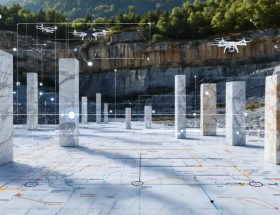

The convergence of Internet of Things (IoT) and cloud computing is revolutionizing how we interact with our physical world. From smart homes that anticipate our needs to industrial systems that predict maintenance requirements, this powerful combination is creating unprecedented opportunities for automation, efficiency, and innovation. IoT devices collect vast amounts of real-time data from our environment, while cloud computing provides the scalable infrastructure needed to process, analyze, and derive actionable insights from this information. Together, they’re enabling a new era of connected intelligence that’s transforming industries, improving business operations, and enhancing our daily lives.
This technological synergy offers particular value in natural stone applications, where IoT sensors can monitor environmental conditions, moisture levels, and structural integrity, while cloud platforms process this data to optimize maintenance schedules and prevent potential damage. For architects, designers, and property managers, this means more precise control over stone preservation and more efficient resource allocation. Real-time monitoring and predictive analytics are no longer future concepts – they’re accessible tools that are reshaping how we approach stone care and maintenance in both residential and commercial settings.
The Evolution of Natural Stone Monitoring
From Manual to Smart Monitoring
The evolution from manual stone inspection to smart stone monitoring systems represents a significant leap in natural stone maintenance. Traditional methods relied heavily on visual inspections and scheduled maintenance, often leading to delayed detection of potential issues. Today’s automated sensor networks continuously monitor critical parameters such as temperature, moisture levels, and structural integrity in real-time.
These intelligent systems use a combination of IoT sensors, cloud computing, and advanced analytics to detect early warning signs of deterioration or damage. Environmental conditions that could affect stone quality are tracked 24/7, allowing for proactive maintenance rather than reactive repairs. The data collected helps predict maintenance needs, optimize cleaning schedules, and prevent costly damage before it occurs.
For property owners and facility managers, this transformation means reduced maintenance costs, improved stone longevity, and better resource allocation. The system can automatically alert maintenance teams when intervention is needed, ensuring timely responses to potential issues while eliminating unnecessary inspections.
Real-time Data Collection Systems
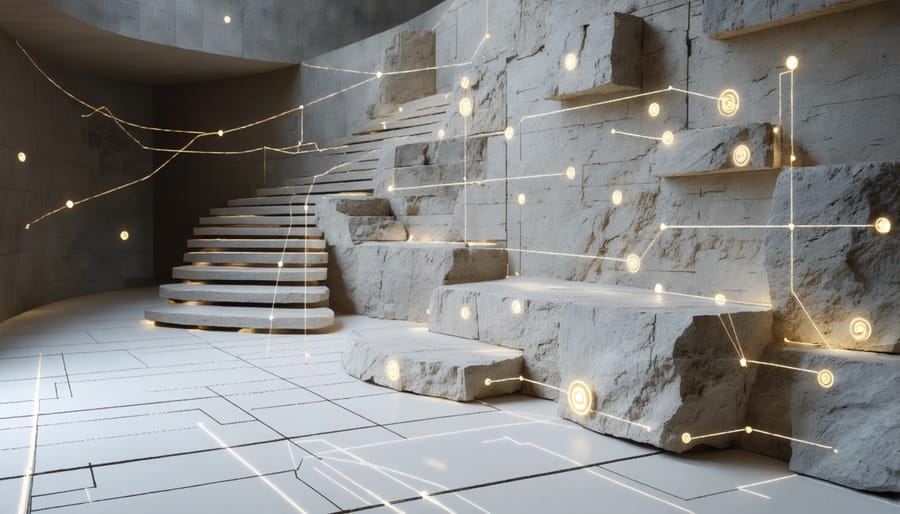
Modern natural stone applications utilize various sensors and monitoring devices to collect real-time data, ensuring optimal performance and maintenance. Temperature and humidity sensors play a crucial role in monitoring environmental conditions that could affect stone integrity. These devices continuously measure atmospheric conditions, helping prevent issues like moisture damage or thermal stress.
Motion and vibration sensors are particularly valuable in structural applications, detecting subtle movements or shifts that might indicate potential problems. Load cells monitor weight distribution and structural stress points, especially important in large-scale architectural installations.
Advanced moisture detection systems use electromagnetic sensors to identify water penetration before visible damage occurs. These systems are often integrated with pH sensors that detect potentially harmful chemical changes in the stone’s surface.
Color and texture analyzers employ optical sensors to monitor surface characteristics, helping maintain aesthetic consistency and detect early signs of weathering or deterioration. Many of these devices feature wireless connectivity, transmitting data directly to cloud-based monitoring systems for real-time analysis and automated maintenance alerts.
This comprehensive sensor network ensures proactive maintenance and helps preserve the natural stone’s beauty and structural integrity over time.
Cloud-Connected Stone Applications
Data Storage and Analysis
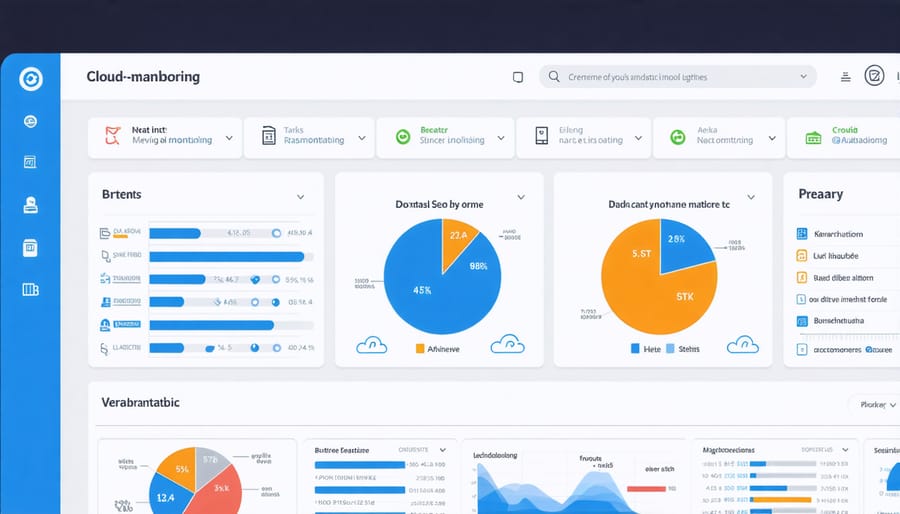
Cloud platforms serve as the backbone for storing and analyzing vast amounts of data generated by IoT sensors in stone monitoring systems. These platforms employ sophisticated database architectures that can efficiently handle both structured and unstructured data from multiple sensors in real-time.
The collected data typically includes moisture levels, temperature variations, structural stress measurements, and environmental conditions affecting stone surfaces. Cloud storage systems organize this information into easily accessible databases, allowing for both immediate analysis and long-term trend monitoring.
Advanced analytics tools within cloud platforms process this data using machine learning algorithms to identify patterns and potential issues. For example, these systems can detect early signs of moisture-related problems or structural stress before visible damage occurs. The analysis can also predict maintenance needs based on historical data patterns.
Data visualization tools transform complex sensor readings into user-friendly dashboards and reports. These visual representations help stakeholders quickly understand stone conditions and make informed decisions about maintenance and preservation.
Cloud platforms also ensure data security through encryption and regular backups. This protection is crucial for maintaining the integrity of monitoring systems, especially in heritage buildings or high-value installations. The platforms typically offer scalable storage solutions that can grow with increasing data collection needs while maintaining quick access and analysis capabilities.
Predictive Maintenance Solutions
Cloud-based analytics has revolutionized preventive stone maintenance by enabling real-time monitoring and data-driven decision making. IoT sensors strategically placed throughout stone installations continuously gather crucial information about temperature, moisture levels, structural stress, and surface wear. This data streams directly to cloud platforms where advanced algorithms analyze patterns and predict potential issues before they become serious problems.
The system works by establishing baseline measurements for normal stone conditions and monitoring for any deviations. When sensors detect changes in moisture content, unusual stress patterns, or environmental factors that could impact stone integrity, the system alerts maintenance teams immediately. This proactive approach significantly reduces the risk of damage and extends the lifespan of stone installations.
For example, in commercial buildings with extensive marble flooring, these systems can detect subtle changes in foot traffic patterns and wear, allowing facility managers to adjust maintenance schedules accordingly. In outdoor applications, sensors monitor weather exposure and freeze-thaw cycles, helping prevent weather-related damage through timely interventions.
The cloud platform also maintains detailed maintenance histories, scheduling recommendations, and performance analytics, creating a comprehensive digital record of each stone installation. This valuable data helps optimize maintenance protocols and informs future installation decisions, ultimately leading to more efficient and cost-effective stone care practices.
Practical Applications in Stone Management
Moisture Detection Systems
Modern moisture detection systems represent a significant advancement in protecting buildings and valuable materials through IoT technology. These smart systems utilize a network of wireless sensors strategically placed in moisture-prone areas to continuously monitor humidity levels and detect water intrusion in real-time.
The sensors communicate with a central hub that processes data and sends alerts to property owners or facility managers via smartphone apps or web dashboards when moisture levels exceed predetermined thresholds. This early warning system can prevent extensive water damage and costly repairs by enabling swift response to leaks or rising humidity.
Advanced moisture detection solutions incorporate machine learning algorithms that analyze historical data patterns to predict potential issues before they occur. For example, the system might detect subtle changes in humidity levels that could indicate a developing leak in plumbing or roof structures.
Cloud integration enables these systems to store and analyze vast amounts of moisture data over time, providing valuable insights for maintenance planning and risk assessment. Property managers can access detailed reports and trending data from anywhere, making it easier to coordinate maintenance activities and document environmental conditions for insurance purposes.
Many contemporary systems also integrate with smart home platforms, allowing automated responses such as activating dehumidifiers or shutting off water supplies when dangerous moisture levels are detected, providing an additional layer of protection for valuable assets and structures.
Structural Health Monitoring
Structural health monitoring in natural stone applications has evolved significantly with the integration of IoT sensors and cloud computing technologies. These advanced systems utilize a network of strategically placed sensors to continuously monitor the integrity, stability, and performance of stone structures in real-time. The sensors track critical parameters such as stress distribution, micro-movements, temperature variations, and moisture levels that could affect stone durability.
Modern IoT-enabled monitoring systems can detect early warning signs of potential issues, including crack formation, displacement, and environmental stress factors. This data is transmitted to cloud platforms where sophisticated algorithms analyze the information and generate actionable insights. When integrated with automated stone inspection technology, these systems provide comprehensive oversight of stone structures’ health.
The benefits of this technology extend beyond basic monitoring. Facility managers and maintenance teams receive immediate alerts when parameters exceed predetermined thresholds, allowing for proactive intervention before minor issues escalate into major problems. This predictive maintenance approach has proven particularly valuable in heritage conservation projects and modern architectural installations where stone integrity is crucial.
Cloud-based dashboards provide stakeholders with real-time visibility into structural health metrics, enabling data-driven decisions about maintenance scheduling and resource allocation. This systematic approach to monitoring helps extend the lifespan of stone installations while reducing long-term maintenance costs.

Environmental Control Systems
Environmental control systems powered by IoT and cloud computing have revolutionized how we monitor and maintain optimal conditions for stone preservation. These smart systems utilize a network of sensors to continuously track temperature and humidity levels, ensuring precious stone materials remain in pristine condition.
Modern IoT sensors can detect minute changes in environmental conditions, sending real-time data to cloud-based platforms for analysis. This allows facility managers and conservators to respond quickly to potentially damaging fluctuations. For example, when humidity levels rise above acceptable thresholds, automated systems can trigger dehumidifiers or adjust HVAC settings to maintain ideal conditions.
Cloud-based dashboards provide comprehensive monitoring capabilities, allowing stakeholders to view historical data trends and receive instant alerts on their mobile devices. This predictive approach helps prevent common issues like moisture damage, efflorescence, and thermal stress that can compromise stone integrity.
Smart environmental control systems also optimize energy usage by adjusting operations based on actual conditions rather than fixed schedules. Many installations report significant energy savings while maintaining more consistent preservation environments. The integration of machine learning algorithms further enhances these systems by predicting potential environmental changes based on weather forecasts and historical patterns.
For heritage buildings and museums housing valuable stone artifacts, these technologies have become essential tools in modern conservation strategies, offering unprecedented control over preservation environments while reducing operational costs.
Implementation Considerations
Cost-Benefit Analysis
The implementation of IoT and cloud computing in stone monitoring requires careful consideration of both initial investments and long-term returns. While the upfront costs for integrated smart monitoring solutions may seem substantial, ranging from $2,000 to $10,000 depending on the scale and complexity, the potential savings and benefits often justify the expenditure.
Key financial benefits include reduced maintenance costs through predictive care, which can save 20-30% compared to traditional reactive maintenance. Early detection of issues prevents costly repairs, while automated monitoring reduces labor costs by eliminating manual inspections. Insurance premiums may also decrease due to improved risk management.
The technology’s ability to extend stone longevity and preserve aesthetic value represents significant long-term value. Studies show that properly monitored stone installations can last 25-40% longer than those without smart monitoring. Additionally, the collected data proves valuable for warranty claims and property valuation, offering both immediate and future financial advantages.
For commercial properties, these systems typically achieve ROI within 18-24 months through operational efficiencies and prevention of major issues.
Security and Maintenance
Security and data protection are paramount concerns in IoT and cloud computing implementations. Regular system updates, robust encryption protocols, and multi-factor authentication help safeguard sensitive information from cyber threats. Organizations must implement comprehensive security policies that address device authentication, data transmission, and storage security.
Maintenance of IoT devices requires systematic monitoring and preventive care. This includes regular firmware updates, battery management for wireless sensors, and periodic hardware inspections. Cloud infrastructure demands continuous monitoring of server health, storage capacity, and network performance to ensure optimal operation.
Best practices include implementing automated security patches, maintaining detailed device inventories, and establishing clear protocols for device retirement and replacement. Regular security audits and vulnerability assessments help identify potential weaknesses before they can be exploited.
Device lifecycle management is crucial for long-term sustainability. This encompasses proper device onboarding, monitoring operational status, and planning for end-of-life scenarios. Organizations should also maintain redundancy in critical systems and establish clear disaster recovery procedures to ensure business continuity.
The convergence of IoT and cloud computing has revolutionized how we monitor, maintain, and enhance natural stone applications. This technological integration offers unprecedented opportunities for both industry professionals and property owners to better preserve and manage their stone investments. Real-time monitoring systems, predictive maintenance capabilities, and automated environmental controls have transformed traditional stone care into a precise, data-driven practice.
Looking ahead, we can expect even more sophisticated applications of these technologies. Advanced sensors will become smaller and more affordable, making comprehensive stone monitoring accessible to a broader market. Machine learning algorithms will continue to improve, offering more accurate predictions for maintenance needs and potential issues before they become visible problems.
The impact extends beyond mere maintenance. Architects and designers can now leverage cloud-based platforms to simulate how different stone materials will perform under various conditions, leading to more informed design decisions. Property managers benefit from streamlined maintenance schedules and reduced operational costs, while homeowners gain peace of mind through automated monitoring systems.
As these technologies mature, we’ll likely see greater integration with smart building systems, sustainable practices, and enhanced preservation techniques. The future of natural stone care lies in this digital transformation, where IoT devices and cloud computing work together to ensure the longevity and beauty of stone installations while minimizing maintenance efforts and costs.