
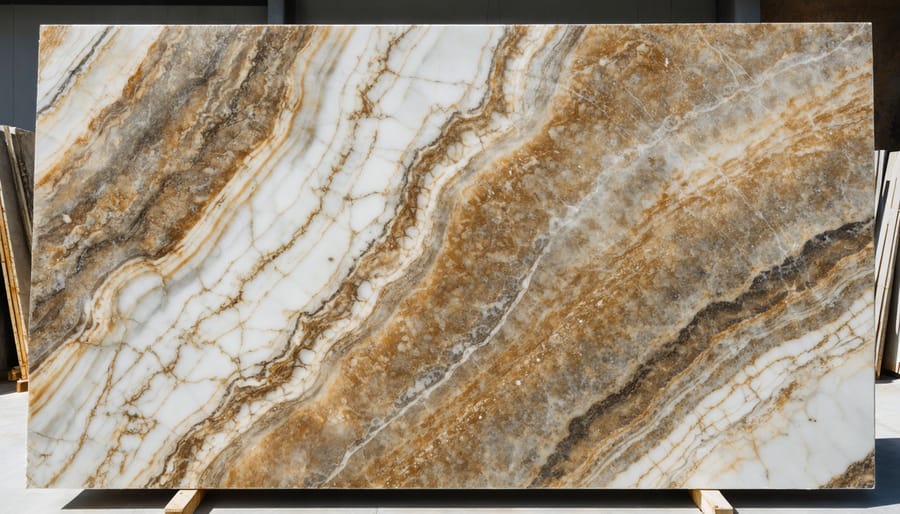
Natural stone quality charts serve as essential decision-making tools when purchasing natural stone for residential or commercial projects. These standardized grading systems evaluate critical factors including color consistency, veining patterns, structural integrity, and surface flaws to classify stones from premium to commercial grade. Understanding these classifications enables architects, designers, and homeowners to make informed investments that balance aesthetic requirements with practical durability needs.
Quality charts typically assess stones across five key metrics: material soundness, color variation, physical characteristics, finishing capability, and market value. Each grade – from A to D – represents a specific combination of these attributes, with Grade A stones exhibiting superior uniformity and minimal defects, while lower grades may display more pronounced variations or require additional processing.
For industry professionals and consumers alike, these standardized evaluations provide crucial benchmarks for material selection, pricing negotiations, and project specifications, ensuring that chosen stones meet both technical requirements and design expectations.
The Natural Stone Quality Grading System
Grade A: Premium Quality Stone
Grade A stone represents the pinnacle of natural stone quality, exhibiting exceptional visual appeal and superior structural integrity. These premium stones feature consistent coloring, minimal veining variations, and a uniform background that makes them highly desirable for prestigious architectural projects and high-end installations.
The distinguishing characteristics of Grade A stone include less than 5% of natural flaws or imperfections, making them virtually free from unsightly marks, fissures, or irregular patterns. The material displays excellent density and hardness, resulting in superior durability and resistance to wear. These stones typically have minimal porosity, which enhances their stain resistance and simplifies maintenance requirements.
In terms of appearance, Grade A stones showcase rich, vibrant colors and crystal formations that remain consistent throughout the entire slab. The surface texture is smooth and even, with no pitting or open veins that might compromise the stone’s integrity. When polished, these stones achieve a deep, mirror-like finish that reflects light beautifully.
From a structural standpoint, Grade A stones possess optimal compression strength and flexibility, making them suitable for both vertical and horizontal applications. Their exceptional quality allows for larger cut sizes with minimal risk of breakage during fabrication or installation. These stones also maintain their appearance over time, showing minimal signs of weathering or degradation when properly maintained.
While Grade A stones command premium prices, their superior qualities make them an excellent long-term investment for projects where appearance and durability are paramount.
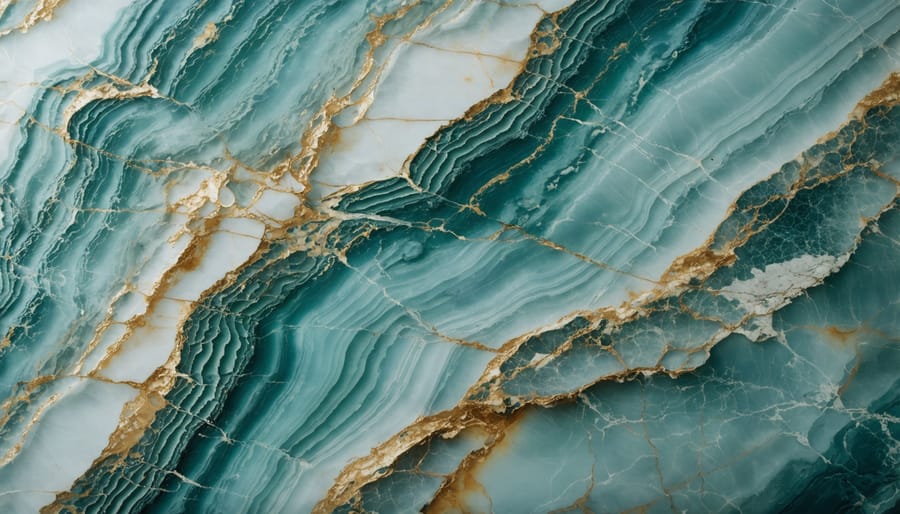
Grade B: Standard Quality Stone
Grade B stone represents the standard quality commonly used in residential and commercial projects, offering a balanced combination of aesthetics and value. These stones feature natural variations in color and pattern while maintaining structural integrity and durability.
In this grade, you can expect to find slight imperfections such as minimal veining irregularities, modest color variations, and occasional small fissures that don’t compromise the stone’s stability. The surface may display minor natural pits or subtle markings that add character without detracting from the overall appearance.
These stones typically exhibit:
– Consistent thickness with allowable variations of ±1/8 inch
– Moderate color consistency within the same batch
– Some natural markings and crystalline structures
– Occasional small fissures that can be filled during installation
– Minor edge irregularities that can be addressed during fabrication
Grade B stones are particularly suitable for:
– Kitchen countertops and bathroom vanities
– Interior flooring and wall cladding
– Outdoor patios and walkways
– Architectural features and decorative elements
While these stones may require slightly more maintenance than Grade A materials, they remain an excellent choice for most applications, offering a perfect balance between quality and cost-effectiveness. Regular sealing and proper care will ensure these stones maintain their beauty and functionality throughout their lifetime.
This grade represents the most commonly specified stone quality in residential construction, providing reliable performance while accommodating budget considerations.
Grade C: Commercial Quality Stone
Commercial quality stone represents the economy grade in natural stone classification, offering budget-friendly options for less demanding applications. These stones typically display noticeable color variations, larger natural flaws, and more pronounced veining patterns compared to higher grades.
While Grade C stones may have visible pitting, fissures, or irregular markings, these characteristics don’t necessarily compromise their structural integrity for appropriate applications. Common features include significant color inconsistencies between pieces, pronounced mineral deposits, and varying surface textures that may require additional finishing work.
These stones are particularly suitable for projects where aesthetic perfection isn’t paramount, such as outdoor pavers, garden walls, rustic designs, or areas where a more natural, weathered appearance is desired. They’re often used in high-traffic commercial spaces where eventual wear and tear is expected, making their initial imperfections less concerning over time.
Despite their lower grade, these stones still offer durability and functionality when properly installed and maintained. However, they may require more frequent sealing and maintenance compared to higher grades. It’s important to note that Commercial grade stones might need additional fabrication work to achieve acceptable finish levels, which could impact the overall project timeline and costs.
When selecting Grade C stone, careful inspection is essential to ensure the material’s limitations align with your project requirements and aesthetic expectations.
Key Quality Indicators in Natural Stone
Physical Properties
The physical properties of natural stone play a crucial role in determining its quality grade and suitability for different applications. Density, typically measured in pounds per cubic foot, indicates the stone’s weight and structural integrity. Higher density generally correlates with better durability and resistance to wear, making it an essential factor in quality assessment.
Hardness, measured on the Mohs scale from 1 to 10, determines a stone’s resistance to scratching and abrasion. For example, granite typically rates between 6 and 7, while marble ranges from 3 to 5. This property significantly influences how different stone surface finishes will perform over time.
Absorption rate, expressed as a percentage, measures how much water a stone can absorb relative to its dry weight. Lower absorption rates (typically under 1%) indicate superior resistance to staining and weather damage. This property is particularly important for stones used in moisture-prone areas or outdoor installations.
These physical properties work together to determine a stone’s grade. Premium-grade stones generally feature optimal combinations of high density, appropriate hardness for their intended use, and low absorption rates. Understanding these properties helps ensure the selection of stone that will maintain its beauty and structural integrity throughout its lifetime.
Aesthetic Features
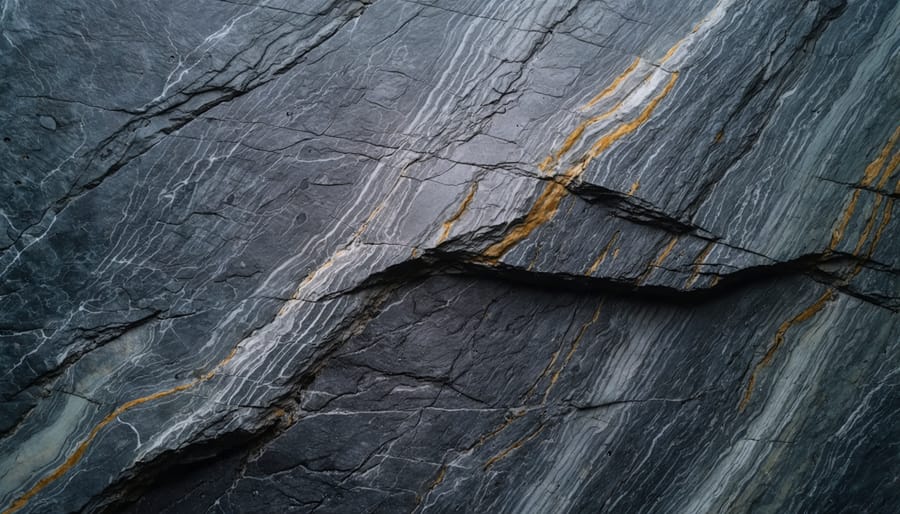
The visual appeal of natural stone is largely determined by its color consistency and patterns, which play a crucial role in its quality grading. Premium-grade stones exhibit uniform coloration throughout their surface, with minimal unexpected variations or discoloration. Veining characteristics, whether subtle or dramatic, should maintain consistency across the stone’s surface and between different pieces from the same lot.
Pattern uniformity is particularly important in commercial applications where multiple stone pieces are installed together. High-quality stones display predictable, flowing patterns that create a harmonious visual effect when paired. The presence of natural markings should enhance rather than detract from the stone’s appearance, with veins and crystalline formations appearing balanced and aesthetically pleasing.
Color depth and clarity are also essential aesthetic indicators. Superior stones showcase rich, saturated colors without muddy or washed-out appearances. In variegated stones, the transitions between different hues should be clean and natural-looking. The stone’s surface should be free from obvious blemishes, stains, or mineral concentrations that might compromise its visual appeal.
When evaluating aesthetic features, it’s important to consider the stone’s intended application. What might be considered a flaw in one context could be a desirable characteristic in another, particularly in rustic or naturalistic design schemes.

Making Smart Stone Selection Decisions
Making informed stone selections requires careful consideration of both application requirements and quality grades. For residential projects, such as kitchen countertops or bathroom vanities, Grade A or Select Grade stones typically offer the best combination of aesthetics and durability. However, for high-traffic commercial spaces, focusing on durability ratings over perfect aesthetics might be more practical.
When selecting stone for exterior applications, weather resistance becomes crucial. Choose stones with proven freeze-thaw durability for cold climates, and ensure the grade selected can withstand environmental stresses. Lower grades might be suitable for garden walls or pathways where minor imperfections add character without compromising functionality.
Budget considerations shouldn’t automatically lead to choosing the lowest grade. Instead, consider strategic grade selection based on visibility and usage. For example, using premium grades for focal points like kitchen islands while selecting mid-grade materials for less visible areas can optimize both appearance and cost-effectiveness.
For structural applications, engineering requirements should take precedence over aesthetic grades. Consult with structural engineers to ensure the selected stone meets load-bearing specifications, regardless of its aesthetic classification.
Remember that proper installation and maintaining stone quality are just as important as initial grade selection. Even the highest grade stone can fail if incorrectly installed or poorly maintained.
Consider these practical tips when making your selection:
– Examine stones under different lighting conditions
– Request samples from multiple batches
– Consider the stone’s intended use and exposure
– Factor in maintenance requirements
– Verify warranty coverage for different grades
– Consult with experienced fabricators about grade suitability
By carefully weighing these factors against your specific needs and circumstances, you can make stone selections that balance quality, functionality, and value effectively.
Understanding stone quality grades is essential for making informed decisions in any stone project. By considering factors such as color consistency, veining patterns, structural integrity, and surface marks, you can effectively evaluate stone quality using standardized grading systems. Remember that higher grades generally offer better aesthetics and durability but come at a premium price point. When selecting stone, balance your budget with intended application and desired appearance. Always work with reputable suppliers who provide detailed quality documentation and consider seeking professional guidance for large-scale projects. By applying the knowledge from this stone quality chart guide, you’ll be better equipped to choose the right stone grade that meets both your aesthetic preferences and practical requirements.