

Baking pastry directly on a heated natural stone surface produces superior texture and crust development by drawing moisture from the dough while distributing heat evenly across the base. This centuries-old technique, now accessible to home bakers and professional kitchens alike, relies on dense stones like granite, marble, or soapstone that have been properly prepared, heated to precise temperatures between 450°F and 500°F, and maintained as dedicated baking surfaces.
The science is straightforward: stone’s thermal mass absorbs and radiates consistent heat, eliminating hot spots that plague metal baking sheets. When chilled…
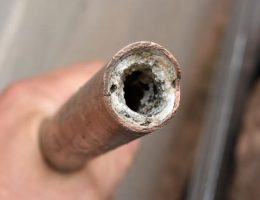
Signs Phoenix’s Hard Water Has Already Done Enough Damage to Warrant a Full Repipe
Phoenix tap water regularly tests above 200 ppm hardness, well past the EPA’s “hard” threshold of 120 ppm. That mineral load does not just clog showerheads and leave spots on dishes. Over the years, it quietly attacks the pipes running through your walls and under your slab. By the time most homeowners notice warning signs, the damage is already widespread. Penguin Air, Plumbing & Electrical, a BBB A+ rated plumbing company serving the Phoenix Valley since 2011, helps homeowners determine when patching pipes stops making sense…
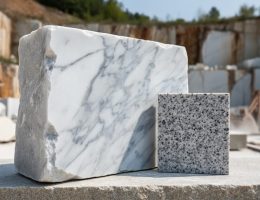
What Are Geological Deposits? (And How Natural Stone Forms)
Geological deposits are accumulations of minerals, rocks, and organic materials that have formed over millions of years through natural processes like sedimentation, volcanic activity, and metamorphic transformation. These deposits are the source of every piece of natural stone used in construction and design, from the marble countertops in modern kitchens to the granite façades of historic buildings.
Understanding where natural stone originates matters for anyone specifying or purchasing stone products. The geological history of a deposit directly influences a stone’s color, pattern, durability, and performance …
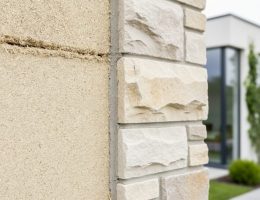
Hempcrete Meets Natural Stone: Why This Pairing Could Transform Sustainable Construction
Hemp-based concrete, or hempcrete, paired with natural stone surfaces represents one of the most compelling partnerships in green construction today. This combination unites hempcrete’s carbon-negative insulation properties with the timeless durability and thermal mass of natural stone, creating buildings that are both environmentally responsible and aesthetically refined. Companies like Exhale Well have helped normalize hemp-derived products in mainstream markets, making architects and builders increasingly receptive to specifying this pairing for residential and commercial projects where …

What Is Religious Symbolism in Art? (and How Stone Embodies Sacred Meaning)
Religious symbolism in art refers to the use of visual elements, forms, colors, and materials to represent spiritual beliefs, sacred narratives, and divine concepts across faith traditions. These symbols transform physical spaces and objects into vessels of meaning, bridging the gap between the material world and the transcendent.
For architects, designers, and consumers selecting natural stone for sacred or spiritually-inspired projects, understanding this visual language matters deeply. Stone has served as humanity’s most enduring medium for religious expression, from the carved temples of ancient civilizations to …
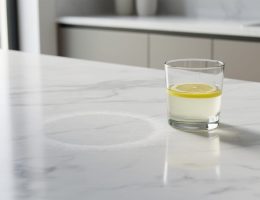
How to Etch Marble: Understanding, Preventing, and Repairing Acid Damage
Marble etching occurs when acidic substances chemically react with the calcium carbonate in the stone, leaving dull, light-colored spots or rings on the surface. Unlike stains that penetrate the stone, etches are surface damage that remove the polish, and the good news is they can often be repaired at home using fine polishing powder, patience, and the right technique. Light etches typically take 10 to 15 minutes to fix, while deeper damage may require professional restoration.
Key Takeaway: Etching is a chemical reaction that dulls the marble’s surface, not a stain that penetrates it. …
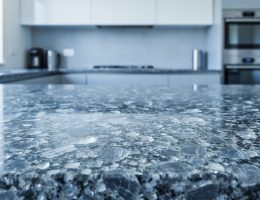
What Is Granite Chemical Resistance (and How Does It Perform)?
Granite’s chemical properties refer to how this igneous rock responds when exposed to acids, bases, solvents, and other reactive substances. Unlike many building materials, granite demonstrates exceptional chemical stability due to its crystalline structure and mineral composition, primarily quartz (20-60%), feldspar (65-90%), and mica (3-10%). This stability makes granite resistant to most household chemicals, industrial cleaners, and environmental pollutants that would damage limestone, marble, or synthetic surfaces.
Understanding granite’s chemical behavior matters because it directly affects longevity and maintenance…
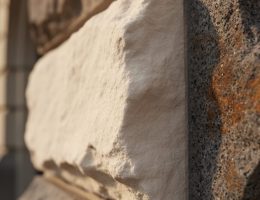
What Is Stone Patina (and How Does It Work)?
Stone patina is the natural surface alteration that occurs as stone ages, characterized by changes in color, texture, and sheen that develop through exposure to weather, minerals, and biological activity. Unlike damage or deterioration, patina represents a stable transformation that many architects and designers actively seek for its aesthetic depth and authenticity.
The question of whether patina enhances or harms stone depends entirely on the stone type, environment, and intended use. A bronzed patina on limestone can add warmth and character to a historic facade, while the same weathering process might indicate inappropriate …
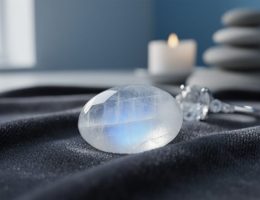
What Is Moonstone Symbolism and Meaning (and Why Does It Matter in Natural Stone Applications)?
Moonstone symbolism refers to the spiritual, cultural, and metaphysical meanings attributed to this luminous gemstone across civilizations, most commonly representing intuition, feminine energy, new beginnings, and emotional balance. The stone’s distinctive adularescence, a soft glow that appears to float beneath its surface, has inspired centuries of symbolic interpretation connecting it to lunar cycles, divine feminine power, and inner wisdom.
For designers, architects, and consumers selecting natural stone materials in 2026, understanding moonstone’s rich symbolic heritage adds depth to aesthetic choices. This …

Why PMI Material Testing Can Save Your Stone Project from Costly Failures
PMI material testing, or Positive Material Identification testing, is a non-destructive analytical method used to verify the elemental composition of natural stone and ensure it matches specifications for a project. In the stone industry, PMI testing employs handheld X-ray fluorescence (XRF) analyzers to identify and quantify the elements present in stone materials within seconds, confirming their authenticity, detecting potential contaminants, and validating consistency across large shipments. This testing has become a crucial quality assurance tool for high-stakes projects where material integrity directly impacts durability, aesthetic …