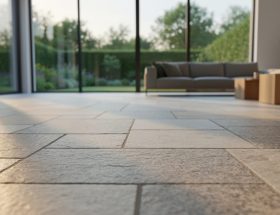

The age-old debate between veneer stone and natural stone takes on new meaning in today’s tech-driven construction landscape. While both materials grace our buildings with timeless beauty, their fundamental differences impact everything from installation costs to long-term durability. Modern virtual reality technology now allows architects and homeowners to visualize these differences with unprecedented clarity, revolutionizing how we compare and choose between these distinctive materials.
Natural stone, quarried directly from the earth, brings authentic character and geological heritage to every project. Its full-bodied composition offers unmatched durability and a three-dimensional depth that’s impossible to replicate. Veneer stone, engineered to mimic natural stone’s aesthetics, presents a lightweight, cost-effective alternative that’s transforming modern construction possibilities.
As we harness VR technology to examine these materials side by side, the choice between veneer and natural stone becomes less about superficial appearances and more about understanding their unique properties, installation requirements, and long-term value. This comprehensive comparison will guide you through the essential factors that influence this important architectural decision, helping you align your choice with both practical requirements and aesthetic vision.
The Virtual Reality Advantage in Stone Selection
Immersive Material Comparison
Virtual reality technology has revolutionized how we compare veneer stone and real stone materials, offering an unprecedented level of detail in examining their characteristics. Through VR visualization, users can zoom in to scrutinize the intricate textures and patterns of both materials at a microscopic level, revealing subtle differences in surface composition and depth that might be missed in traditional showroom settings.
The immersive experience allows viewers to observe how light interacts with each material’s surface, showcasing the dimensional qualities of real stone versus the more uniform appearance of veneer products. Users can virtually rotate and examine samples from multiple angles, gaining a thorough understanding of how shadows play across the surface and how depth variations contribute to the overall aesthetic.
This technology particularly excels in demonstrating the layering and stratification present in natural stone, compared to the manufactured patterns of veneer products. Designers and homeowners can make more informed decisions by experiencing these materials in simulated environments that mirror real-world lighting conditions and installation scenarios, all while comparing multiple options simultaneously without the need for physical samples.

Real-Time Design Visualization
Modern technology has revolutionized how we compare and visualize different stone options for our projects. Through advanced virtual stone selection tools, homeowners and designers can now instantly switch between real stone and veneer options on a digital model of their project. This real-time visualization allows you to see exactly how each material would look in your space, considering factors like lighting, surrounding materials, and architectural features.
The technology offers split-screen comparisons, enabling you to view veneer and natural stone side by side in your specific context. You can examine how shadows fall across the surface textures, evaluate color variations, and assess how different patterns complement your design scheme. This immediate visual feedback helps make more informed decisions about material selection, eliminating much of the guesswork traditionally involved in choosing between veneer and real stone.
Additionally, these visualization tools often include cost calculators and installation timelines, providing a comprehensive understanding of how each choice impacts your project’s budget and timeline. This technology has become an invaluable resource for both professionals and homeowners in the decision-making process.
Visual Characteristics Under VR Scrutiny
Texture and Depth Analysis
When examining texture and depth, real stone and veneer stone offer distinctly different experiences. Natural stone presents authentic, three-dimensional variations in surface texture, with each piece featuring unique ridges, depressions, and crystalline structures that have formed over millions of years. These natural imperfections create genuine shadow play and depth that changes with lighting conditions throughout the day.
Veneer stone, while manufactured to mimic these characteristics, typically displays a more uniform pattern of textures. Modern manufacturing techniques have significantly improved the realism of veneer products, incorporating varied surface patterns and deliberate irregularities. However, upon close inspection, you may notice repeating patterns in the texture, particularly when viewing multiple pieces side by side.
The depth profile also differs significantly between the two materials. Real stone can be cut to various thicknesses and often features natural cleft faces that create pronounced dimensional variations. These variations can range from subtle ripples to dramatic protrusions, adding architectural interest and authentic character to the installation.
Manufactured veneer stone generally maintains a more consistent depth profile, usually between 1 to 2.5 inches thick. While this uniformity can make installation more straightforward, it may lack the random, organic depth variations that make natural stone so visually compelling. Some premium veneer products now incorporate varying depths and profiles to better simulate the dimensional qualities of natural stone, though these still follow predetermined patterns.
Pattern Repetition and Authenticity
One of the most noticeable differences between natural stone and artificial stone alternatives lies in their pattern repetition. Natural stone formations developed over millions of years, resulting in truly unique patterns, colors, and textures that never exactly repeat. Each slab tells its own geological story, with distinctive veining, mineral deposits, and color variations that make every installation one-of-a-kind.
In contrast, manufactured veneer stone is created using molds, which inevitably leads to pattern repetition. While manufacturers typically create multiple mold variations to minimize obvious repetition, trained eyes can often spot recurring patterns in larger installations. Modern manufacturing techniques have significantly improved in mimicking natural variation, but they still cannot fully replicate the random, organic beauty of genuine stone.
This difference becomes particularly apparent in large-scale applications, such as extensive wall surfaces or commercial facades. Natural stone installations maintain visual interest throughout the entire surface, with each piece contributing to a harmonious yet varied composition. When working with veneer stone, careful installation planning is essential to distribute the different mold patterns effectively and create a more authentic appearance. Professional installers often mix pieces from different boxes and arrange them thoughtfully to minimize noticeable pattern repetition.
Performance Characteristics in VR Simulation
Weather Impact Visualization
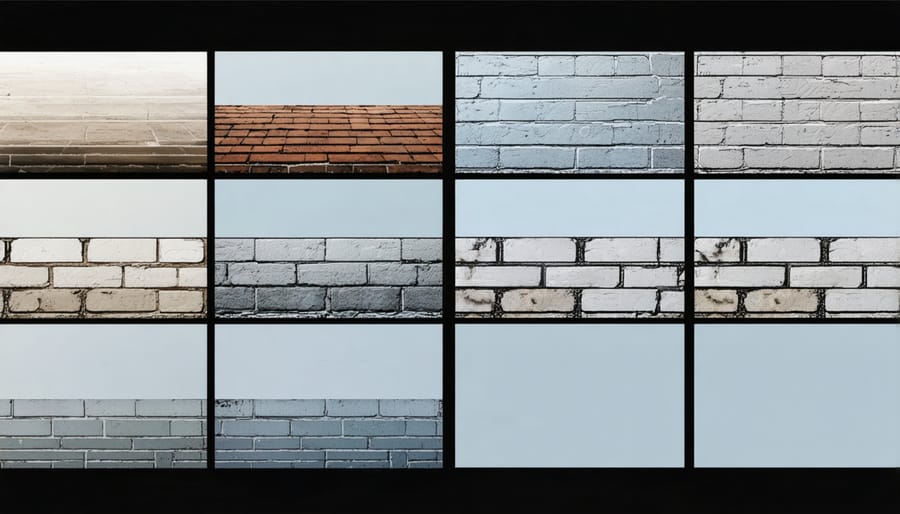
When exposed to the elements, both veneer stone and real stone undergo distinct weathering processes that affect their appearance and durability over time. Real stone typically develops a natural patina, with subtle color variations and texture changes that many consider aesthetically pleasing. This aging process varies depending on the stone type, with limestone developing a softer, weathered look while granite maintains its appearance with minimal changes.
Manufactured veneer stone, while designed to resist weathering, can show different signs of aging. The color-fast pigments used in manufacturing help maintain initial appearances, but prolonged exposure to UV rays may cause subtle fading over decades. In regions with freeze-thaw cycles, real stone’s natural porosity allows it to adapt to temperature changes, while veneer stone’s artificial composition might show stress marks or surface deterioration over time.
Coastal environments present unique challenges. Salt spray affects both materials differently – natural stone may develop a slight surface roughness that actually enhances its character, while veneer stone’s protective coating can gradually wear down, potentially exposing the underlying material. In urban environments, acid rain impacts both materials, though real stone’s greater thickness provides more material depth to weather naturally.
Understanding these weathering patterns helps in making informed decisions about which material best suits specific environmental conditions and desired long-term aesthetic outcomes.
Installation and Maintenance Preview
When comparing installation processes, modern stone veneer applications typically require less intensive preparation and can often be completed in about half the time of natural stone installation. Veneer installation involves attaching lightweight panels to a prepared surface using adhesive and mechanical fasteners, while real stone demands robust structural support, proper footings, and often professional masonry expertise.
For maintenance preview, both materials present distinct considerations. Natural stone typically requires periodic sealing every 3-5 years, regular cleaning with pH-neutral cleaners, and occasional repointing of mortar joints. Stone veneer maintenance is generally less demanding, needing only routine cleaning with mild soap and water, though careful inspection for potential delamination or water damage is essential.
Installation costs reflect these differences: veneer installation typically ranges from $12-25 per square foot for labor, while natural stone installation can cost $25-45 per square foot, excluding material costs. When considering long-term maintenance, natural stone’s durability often offsets its higher initial installation costs, typically lasting 100+ years with proper care. Veneer products, while more affordable upfront, may require replacement after 20-30 years, depending on environmental conditions and installation quality.
For optimal results with either material, professional installation is recommended to ensure proper water management, structural support, and aesthetic consistency.
Cost-Benefit Analysis Through VR
Initial vs. Lifetime Costs
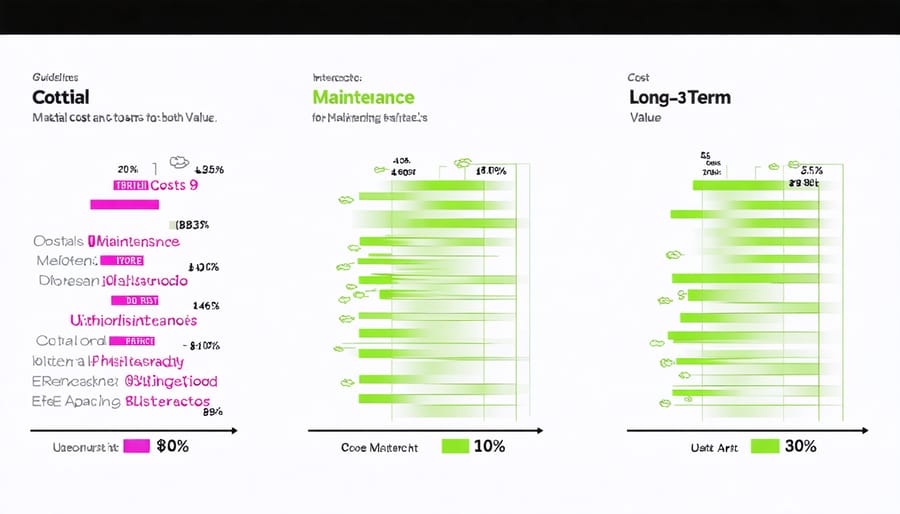
The initial cost difference between veneer stone and real stone can be substantial, with veneer typically costing 25-50% less in upfront material and installation expenses. However, this cost advantage often diminishes when considering the full lifecycle of the materials. Real stone, while requiring a larger initial investment, generally maintains its appearance and structural integrity for 100+ years with minimal maintenance.
Veneer stone may need replacement or significant repairs within 20-30 years, especially in harsh weather conditions or high-traffic areas. When factoring in replacement costs, reapplication of adhesives, and potential structural repairs, the lifetime cost of veneer can actually exceed that of natural stone.
Consider a typical residential project: A 500-square-foot installation might cost $15,000 for veneer versus $25,000 for real stone initially. However, over 50 years, the veneer installation could require two complete replacements, bringing the total cost to $45,000, while the real stone installation maintains its value with only routine cleaning and occasional repointing, typically costing less than $5,000 over the same period.
Property Value Impact
Virtual reality technology has revolutionized how we evaluate the impact of different materials on property value. When comparing veneer stone and real stone through VR demonstrations, the differences become strikingly apparent. Real stone typically adds 5-10% more to a property’s value compared to stone veneer, primarily due to its authenticity and durability. Modern natural stone design trends consistently show that properties featuring genuine stone elements command higher resale values and attract more discerning buyers.
VR walkthroughs reveal how real stone creates deeper shadows, more varied textures, and natural color variations that contribute to a property’s architectural character. While stone veneer can initially present an attractive facade, VR demonstrations highlight how its repetitive patterns and uniform appearance may detract from the property’s perceived value over time. Real estate professionals using VR technology to showcase properties report that genuine stone features often serve as key selling points, particularly in luxury markets where authenticity and craftsmanship are highly valued.
Making the Final Decision
When making the final decision between veneer stone and real stone, virtual reality technology offers an invaluable tool for visualization and comparison. Start by using VR applications to view both materials in your specific space, allowing you to examine how light interacts with each surface and how they integrate with your existing architecture.
Pay particular attention to viewing the materials at different times of day and from various angles. VR simulations can demonstrate how shadows fall across the surfaces and how the materials appear in different lighting conditions. This virtual experience helps identify subtle differences in texture and depth that might not be apparent in traditional showroom samples.
Consider creating multiple virtual mock-ups with different stone patterns and arrangements. This approach allows you to experiment with various layouts without physical installation costs. Take screenshots of your preferred options and compare them side by side, focusing on both aesthetic appeal and practical considerations.
While VR provides excellent visualization, remember to factor in your budget, maintenance requirements, and structural considerations. Use the insights gained from virtual exploration to create a pros and cons list specific to your project. Consider consulting with a stone professional who can provide feedback on your VR-based selections and offer additional expertise about installation requirements and long-term performance.
Finally, request physical samples of your top choices identified through VR visualization. Having tangible samples alongside your virtual experience provides a comprehensive understanding of both materials, ensuring your final decision aligns with both your aesthetic vision and practical needs.
Virtual reality analysis has revolutionized how we compare veneer stone and real stone, offering unprecedented insights into their differences and applications. Our comprehensive examination reveals that while both materials have their place in modern construction, the choice between them ultimately depends on specific project requirements and constraints.
Real stone maintains its position as the premium choice for authenticity, longevity, and natural variation, particularly in high-end residential and commercial projects where genuine materials are paramount. However, veneer stone has proven to be a viable alternative when budget constraints, weight limitations, or installation efficiency are primary concerns.
Through VR visualization, we’ve observed that modern manufacturing techniques have significantly improved veneer stone’s aesthetic appeal, though subtle differences in depth, texture, and light interaction remain noticeable to the trained eye. For optimal results, we recommend consulting with experienced stone professionals who can evaluate your specific needs, considering factors such as climate, building structure, budget, and desired longevity.
Whether choosing veneer or real stone, ensuring proper installation and maintenance remains crucial for achieving the desired outcome and maximizing the material’s lifespan.