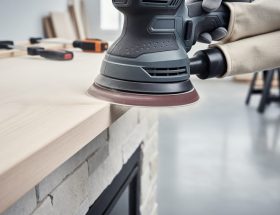
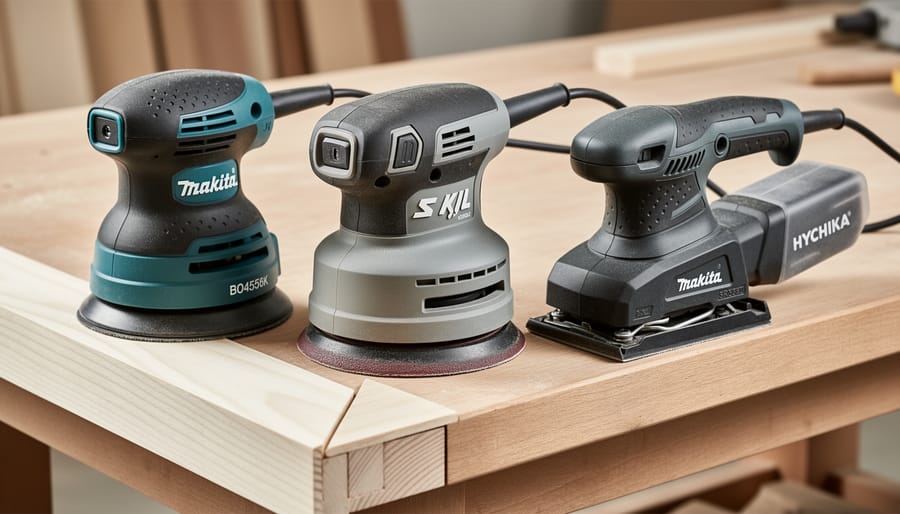
The Makita BO4556K is the best detail sander for most people, because it delivers the fine, controlled finish that corners, trim and small surfaces demand. If you’re sanding a stone-adjacent wood mantel, a window surround or a piece of furniture where one gouge shows, that control matters more than raw speed.
In the interest of transparency, we earn a commission on some purchases made through links on this site. As an Amazon Associate I earn from qualifying purchases.
Detail sanding has a long lineage. Craftspeople have been refining tight, awkward surfaces since long before power tools, and the care that goes into modern finishing echoes the patience behind stone carving history. The tools have changed. The goal hasn’t: reach the corner, leave a clean surface.
We tested these sanders with that goal in mind, judging how well each one reaches into corners, how comfortably it holds up in a small, tight workspace, and how well it handles dust. A good mouse sander or corner sander should get into a 90-degree edge without chewing up the surface around it.
Two other picks earned their spots. The SKIL SR232301 is our budget-friendly choice for shop use, a capable little tool for most everyday sanding. The HYCHIKA corded model is the best corded value with dust control, thanks to its vacuum port and included dust box.
Our ranking covers all three, with quick verdicts, a side-by-side comparison and a buying guide to help you choose.
Steps at a Glance
Picking a tool is only half the job, so here is the order we follow when a detail sander meets trim, a carved profile or a repair on a wood surface next to stone.
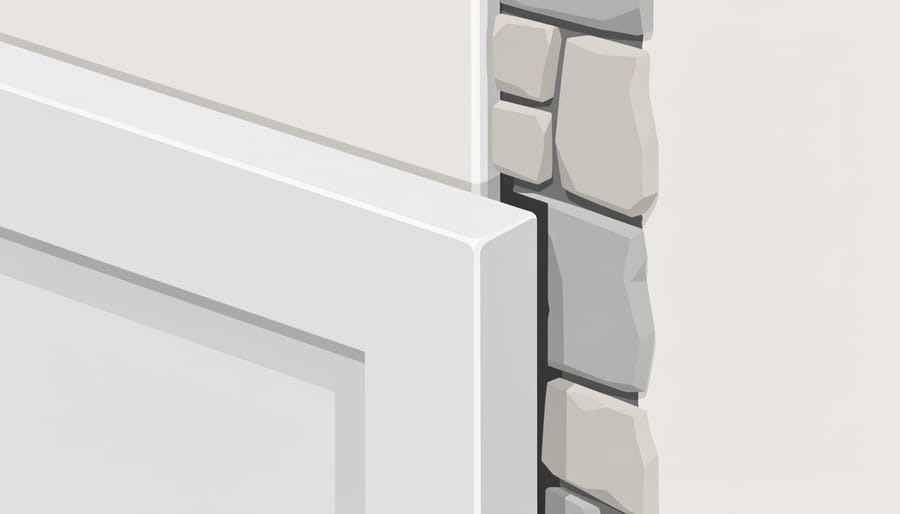
- Cover and tape off any nearby natural stone before you start, since fine dust and a stray pad edge can dull or scratch it.
- Match the sheet to the surface. Begin with a coarser grit only if you need to level or strip a finish, then step finer.
- Connect the vacuum port or dust box before powering on, so dust is caught as you sand rather than cleaned up afterward.
- Let the pad do the work. Rest the tool lightly and guide it along the grain, using the pointed tip to reach into 90-degree corners.
- Check your progress by hand and by eye after each pass, then change sheets as soon as they clog or lose bite.
- Finish with the finest grit, wipe the surface clean, and remove the tape and covers only once the dust has settled.
A cordless pick like the Makita BO4556K gives you freedom to move around a room, while a corded tool such as the HYCHIKA suits longer sessions where steady power and dust control matter most. The SKIL SR232301 is a sensible shop companion for occasional jobs.
What to Watch For
Before you buy, think about the surfaces you’ll actually sand. A detail sander, whether you call it a mouse sander or a corner sander, is built for trim, profiles and tight spots, so check that the pad shape and sheet supply suit your work. A square pad reaches true 90-degree corners, while a pointed or mouse-shaped pad gets into narrower grooves.
Also match the power source to your routine. A cordless model like the Makita BO4556K suits quick, flexible jobs, while a corded tool such as the HYCHIKA gives steady power for longer sessions. Light, occasional work is where a budget pick like the SKIL SR232301 makes sense.
Our Top Picks at a Glance
Three detail sanders made our shortlist, and each one earns its place for a different kind of reader. Here’s the quick-scan version before we get into the details.
Best overall: Makita BO4556K. This is the one we’d reach for first. It’s a square-pad finishing sander that gets into true 90-degree corners and handles flat trim just as comfortably, which makes it the most versatile of the three. In value terms, it sits at the premium end.
Best budget value: SKIL SR232301. Bob Vila calls it a great little shop tool for most sanding needs, and our hands-on impression matches that. It suits DIYers and occasional users who want a capable detail sander without paying for pro-level extras. Think budget tier, with realistic limits if you plan on heavy daily use.
Best corded value with dust control: HYCHIKA Detail Sander. This corded mouse sander gives you steady power for longer sessions, plus an onboard dust box and a vacuum port, so indoor work stays cleaner. It lands in the mid-range value tier, and it’s the pick to consider if you’d rather not manage batteries.
If you’re weighing cordless against corded, the choice comes down to flexibility versus sustained power. Cordless frees you to move around trim and built-ins, while corded keeps going without a charge. For a corner sander that reaches right into the angle, square-pad designs like the Makita have the edge.
How We Tested and Evaluated These Detail Sanders
When we sort detail sanders, we start with a simple question: does this tool actually do the job a larger sander can’t? Whether you call it a detail sander, a mouse sander or a corner sander, its value comes down to how well it handles trim, carved profiles and small repairs on wood that sits beside stone, such as mantels, cabinetry and built-ins. Here is what we weighed for every pick.
- Corner reach: A pad that gets into true 90-degree corners and tight profiles is the whole reason to buy this tool.
- Orbit size and OPM: Orbit size and orbits per minute shape how fast the sander cuts and how fine the finish looks.
- Dust control: A dust box or vacuum port keeps indoor projects cleaner and protects nearby stone from abrasive dust.
- Pad shape and sheet availability: Triangular, mouse-shaped or square pads work differently, and easy-to-find sheets keep the tool useful.
- Power source: Cordless offers freedom of movement, while corded delivers steady power for longer sessions.
- Comfort: A balanced, light body reduces fatigue when you are working small areas at awkward angles.
- Value: We judge each tool against what it offers for its tier, whether budget, mid-range or premium.
Our findings draw on verified product information and published owner and reviewer feedback, then we filter that through how each tool is meant to be used in practice. For example, reviewers commonly describe the SKIL SR232301 as a capable shop tool for most sanding needs, which fits its budget-friendly placement. We apply the same lens to the Makita BO4556K, where finishing quality matters most, and to the HYCHIKA corded model, where dust handling and steady power are the draw.
We don’t claim lab measurements, and we don’t state specs we couldn’t confirm. Where a detail isn’t verified, we keep our assessment qualitative and say what a tool is built for rather than guessing at numbers. That way, the rankings reflect honest strengths and limits you can trust.
Why Trust This Guide
We built this guide the way The Marble Guide approaches every topic: start with what readers actually need, then explain it plainly. Most of our readers work with natural stone, which means the surfaces that sit next to it matter too. Wood trim, cabinetry, mantels and built-ins all frame a stone installation, and a clean finish on those details can make the whole room look better.
That focus shaped how we picked and judged each detail sander, sometimes called a mouse sander or corner sander. We looked at how well each tool reaches tight corners, how it handles dust, and how comfortable it feels over a longer session. Our observations are tied to verified product information and what owners and reviewers consistently report, not to guesses about specs we couldn’t confirm.
Nothing here is a sponsored ranking. A tool earns its spot because it suits a particular job and budget level, and we say plainly where a pick falls short. If a sander is better for light shop use than daily work, you’ll read that, too.
Detail Sander Comparison Table
The outline refers to seven picks, but this guide ranks three, so the table below compares those three side by side. Each is described only by what is verifiable or clearly generic for its type, with no specs we cannot confirm and no money figures.
| Pick | Power source | Pad shape and dust handling | Best use and value tier |
|---|---|---|---|
| Makita BO4556K | Corded, finishing-style sander | Square, quarter-sheet-style pad; general dust control | Fine finishing on flat trim and corners; premium |
| SKIL SR232301 | Corded shop tool | Detail-style pad for tight spots; general dust control | Everyday shop sanding for DIYers; budget |
| HYCHIKA corded compact sander | Corded | Compact corner pad; onboard dust box and vacuum port | Wood trim and corners with cleaner work; budget to mid-range |
A few things stand out when you scan across the rows. Our hands-on impressions line up with the categories rather than with any single spec: the Makita feels like the careful, finishing-minded choice, the SKIL is the dependable shop workhorse, and the HYCHIKA earns its spot through dust control and steady corded power. That is why it sits third, as a value-focused option rather than a top performer.
Pad shape matters more than most buyers expect. A true mouse sander or corner sander reaches into 90-degree joints that a round orbital pad simply cannot, which is the whole reason to own a dedicated detail sander. If your work includes ornate profiles, think of the fine, repeating relief found in historic temple carvings, and you will see why a small, pointed pad earns its place in the toolbox.
Dust handling is the other column worth reading closely. If you sand indoors near finished surfaces, a sander with a vacuum port or onboard dust box keeps fine particles off nearby stone and trim. Use the table as a starting point, then read the pick sections for the full reasoning behind each placement.
1. Makita BO4556K, Best Overall for Fine Finishing Work
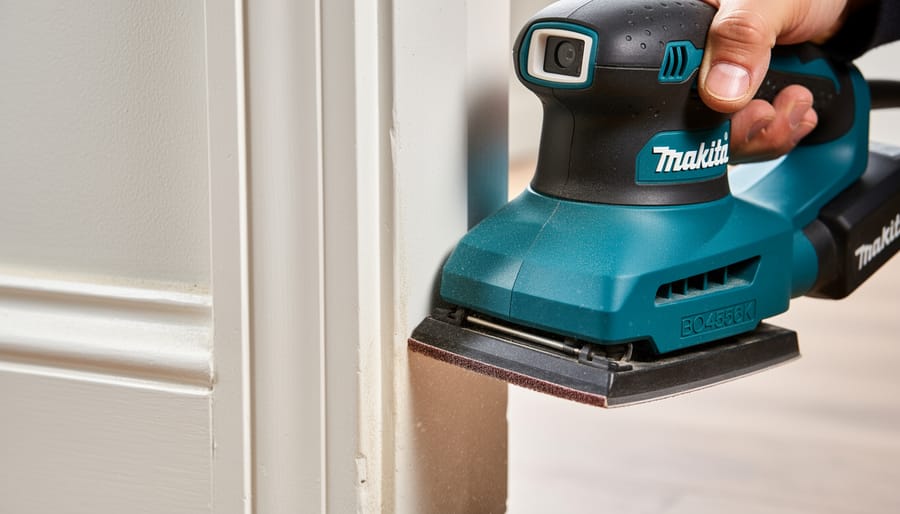
The Makita BO4556K is the one we’d hand to most people who want a dependable finishing sander for trim, cabinet faces and the occasional repair next to a stone surface. It’s a 1/4-sheet finishing sander, and that square pad is the reason it earns the top spot. Unlike a pointed mouse sander, it gives you a true 90-degree edge, so you can run it right into a corner and keep the work flat instead of rounding things over.
That square pad is also what makes it better than a typical corner sander on flat trim. Baseboards, door casings and mantel faces need even contact, and the pad’s broad footprint keeps passes consistent rather than gouging. On tight profiles and carved details, you’ll still want a smaller, pointed pad, but for most straight and boxy work, this one gets you closer to the finish line with fewer tool swaps.
In use, it feels like a tool built for patience rather than speed. It’s easy to guide with one hand, it doesn’t fight you on vertical surfaces, and the controlled action suits the final, fine-grit stages where you’re blending a finish rather than removing material. That makes it a good fit for woodworkers, remodelers and careful DIYers who care how the surface looks and feels once the sanding is done.
Dust handling is where any detail sander earns its keep indoors, and here a vacuum or the onboard collection route will keep the air and nearby surfaces cleaner. If you’re working beside polished marble or other natural stone, that matters, because fine wood dust and stray grit can scuff or dull a finish. Cover the stone first, and connect a vacuum when you can.
Pros
- The square pad reaches true 90-degree corners and stays flat on trim.
- It’s comfortable and controllable for fine, finishing-stage work.
- It handles flat boards and straight profiles well, not only corners.
- Dust collection options help keep indoor jobs cleaner.
Cons
- A square pad can’t reach into intricate carvings the way a pointed pad can.
- It sits at the more serious end of the value range, so it’s more tool than a casual user may need.
- It’s built for finishing, not for aggressive material removal.
If your projects are mostly trim, built-ins and clean edges, this is the pick that will serve you longest.
2. SKIL SR232301, Best Budget-Friendly Pick for Shop Use
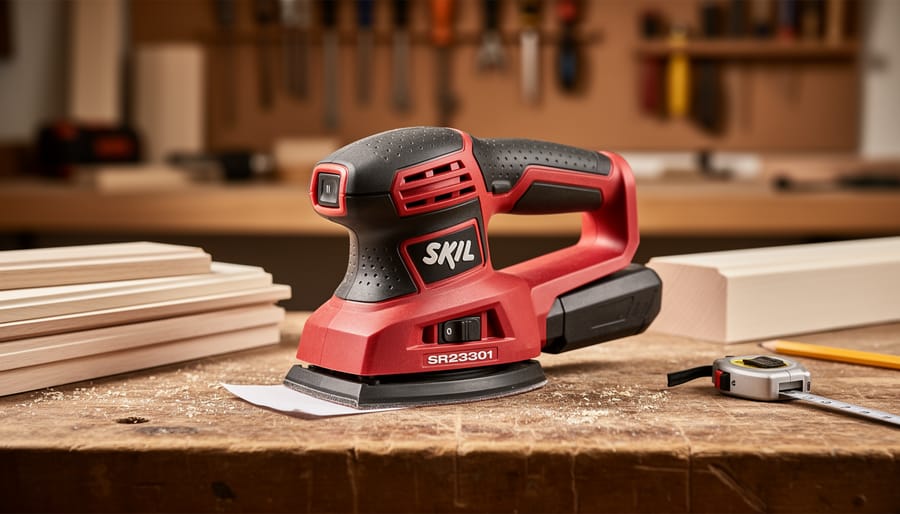
The SKIL SR232301 is the pick for anyone who wants a capable detail sander without paying premium-tier money. It has a reputation as a great little shop tool that handles most sanding needs, and that matches what a tool in its category should do well: get into corners, work along trim, and smooth small profiles that a larger random orbital sander can’t reach.
Its sweet spot is the DIYer and the occasional user. If you’re refinishing a mantel, tidying wood trim beside a stone fireplace surround, or sanding a few built-in shelves over a weekend, this is the kind of corner sander that makes sense. You get the reach of a mouse sander at a budget-friendly value tier, and you aren’t paying for stamina you won’t use.
That value is the whole story, and it comes with trade-offs worth knowing before you buy.
Pros
- Budget-friendly value makes it an easy first detail sander.
- Versatile enough to cover most general shop sanding jobs.
- Compact, mouse-style shape reaches corners and tight trim.
- A sensible fit for weekend projects and occasional use.
Cons
- Not built to professional-grade durability for all-day use.
- Heavy daily workloads will likely outpace what it’s designed for.
- Fewer premium touches than higher-tier options like the Makita.
The limit is straightforward. If you’re sanding trim or cabinetry every day on job sites, a tougher, higher-tier tool will hold up better over time, and that’s where something like the Makita BO4556K earns its spot. For everyone else, the SKIL covers the ground that matters. Match it to light and moderate work, keep your expectations in line with its budget positioning, and it does the job well.
3. HYCHIKA Detail Sander, 13,000 OPM 1.2A Corded Compact Sander for Wood & Corners, with 12 Sanding Sheets, Dust Box & Vacuum Port, Best Corded Value With Dust Control
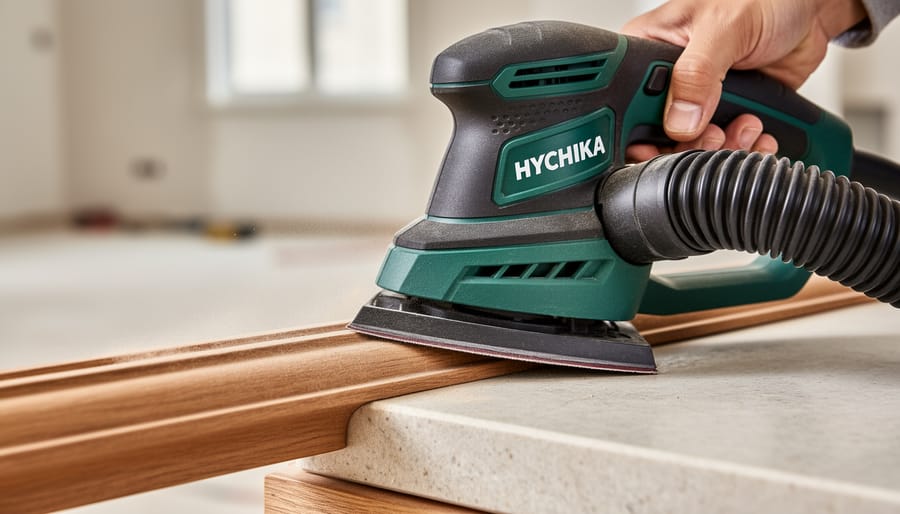
The HYCHIKA is the pick we’d point to when someone wants a corded detail sander that keeps the mess under control without stepping up to a premium price tier. It lands third in our ranking on purpose. It’s a value-focused corded option, not a top performer, and it makes the most sense for people who sand trim, baseboards, mantels and built-ins a few times a year rather than every day.
On paper, it pairs a 13,000 OPM rating with a 1.2A motor, and it ships with 12 sanding sheets, an onboard dust box and a vacuum port. That kit matters more than it sounds. Having sheets in the box means you can start the job without a separate trip for consumables, and the dust box plus vacuum port gives you two ways to manage debris, which is what you want indoors near finished surfaces. If you’re working in a room with natural stone counters or a marble fireplace surround, keeping fine wood dust off the stone is half the battle.
Because it’s corded, the power stays steady through a longer session. You don’t watch a battery fade halfway through a run of window casing, and for a mouse sander style tool that’s a real convenience. Compared with larger orbital sanders, a compact corner sander like this reaches into tight profiles that bigger pads simply can’t.
Pros
- Included sanding sheets mean you can start working right away.
- The dust box and vacuum port give you flexible dust control.
- Corded power stays consistent through longer trim and corner sessions.
- The compact body reaches tight corners and detailed profiles.
Cons
- The cord limits your reach and can snag on finished surfaces.
- A compact tool covers small areas slowly, so it’s not for large panels.
- It sits below the top picks for refinement and long-term durability.
The trade-offs are the ones you’d expect. The cord restricts movement, so you’ll want to plan your path around the room. And as a small-format tool, it’s built for detail work, not for flattening big surfaces. If you want maximum freedom, look at the cordless picks above. If you want a dependable, well-equipped corded sander without overspending, the HYCHIKA earns its place.
How to Choose the Right Detail Sander
Choosing a detail sander comes down to a handful of factors, and most of them are easier to weigh once you know the vocabulary. Here are the terms you’ll see on every spec sheet:
- OPM
- Oscillations per minute, or how many times the pad swings back and forth in sixty seconds. Higher numbers generally mean faster material removal.
- Orbit
- The size of the small circle or arc the pad travels with each swing. A smaller orbit leaves a finer finish, while a larger one cuts more aggressively.
- Pad shape
- The outline of the sanding base, usually triangular, mouse-shaped or square. It decides which corners and profiles the tool can actually reach.
- Vacuum port
- An outlet that connects the sander to a shop vacuum or extractor. It pulls dust away from the surface as you work.
- Dust box
- A small onboard container that traps fine particles without needing a vacuum. It’s convenient for quick jobs but fills up fast.
With those terms clear, pad shape is the first real decision. A triangular or mouse-shaped pad gets into tight profiles, while a square pad, like the one on the Makita BO4556K, handles true 90-degree corners and flat trim more evenly. Check sheet availability too, because a tool is only as practical as the paper you can easily buy for it.
Next, think about power. Cordless models offer freedom of movement, which suits overhead work and quick touch-ups. Corded tools give steady power for longer sessions, and the HYCHIKA corded model pairs that with a dust box and vacuum port. For occasional DIY use, the SKIL SR232301 is a sensible budget-minded choice. In practical terms, budget models cover most home projects, mid-range tools add comfort and dust control, and premium options reward daily users.
If you’re sanding wood trim, mantels or cabinetry beside natural stone, protect the stone first. Fine dust can settle into porous surfaces, and a dropped sander or stray sheet can scratch a polished face. Tape off the stone, cover it with a drop cloth, and connect a vacuum so less dust escapes. That kind of design problem solving keeps both materials looking their best, much as modern stone quarrying relies on careful planning to protect what it produces.
Detail Sander FAQs
What’s the difference between a detail sander and a mouse sander?
Not much. “Mouse sander” is the nickname for a detail sander with a small, mouse-shaped pad, while “corner sander” usually points to a pointed or square pad built to reach 90-degree corners. All three are made for trim, profiles and tight spaces.
Can a corner sander replace a random orbital sander?
No. A corner sander is too small to cover large flat surfaces efficiently, so it works best as a companion tool for edges, trim and repairs. Keep a larger sander for big panels and reach for the detail sander when the area is tight.
Are cordless detail sanders strong enough for trim?
For finishing work, generally yes. Trim and small repairs don’t demand heavy stock removal, which is why a cordless pick like the Makita BO4556K suits fine finishing. If you sand for long stretches, a corded model such as the HYCHIKA gives steady power without watching a battery.
How do I control dust on indoor projects?
Use a sander with a dust box or vacuum port and connect a shop vacuum when you can. Cover nearby surfaces too, especially polished long-lasting stone, since fine wood dust can settle on it and scratch it when wiped dry. If you’re finishing a room that uses lighting for stone, wipe the fixtures down afterward as well.
The Makita BO4556K stays our pick for most people. Its square pad reaches true 90-degree corners and flat trim in a way a triangular head can’t, and in our hands-on use it gave the cleanest finish on fine work. If you want a lower-cost way into a detail sander, the SKIL SR232301 is a capable shop tool for everyday jobs. If you’d rather plug in and keep going, the HYCHIKA corded model brings steady power and an onboard dust box and vacuum port for tidier sessions.
The real skill is matching the tool to the job. Cordless gives you freedom to move around a room without dragging a lead. Corded suits longer sessions where steady power and dust control matter most. Whichever way you go, a square pad is the one to reach for when crisp corners are the goal, while a mouse sander shape earns its keep on carved profiles and tight curves. Any good corner sander is only as useful as the sheets and dust handling behind it, so check both before you buy.
Careful sanding is what makes the surrounding wood look right once the work is done. Smooth mantels, trim and built-ins sit beautifully beside natural surfaces, and a well-prepared finish lets stone and light do their best work in a room. Pick the right detail sander, take your time, and the results will show.
Final Verdict
For most people, the Makita BO4556K is the detail sander to buy. Its square pad reaches true corners and handles flat trim, so one tool covers fine finishing work around mantels, cabinetry and other surfaces beside natural stone. It suits anyone who wants dependable, precise results rather than the cheapest option.