
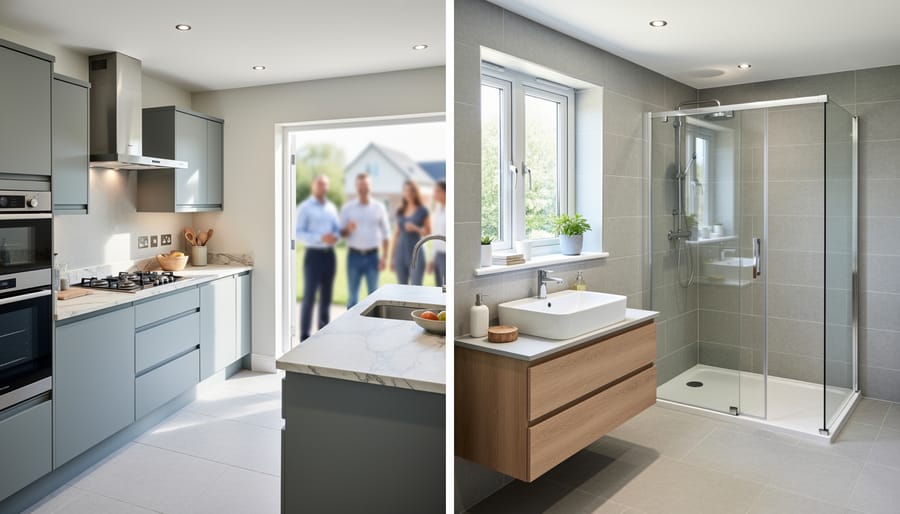
Kitchen and bathroom renovations deliver the highest return on investment for home sellers in 2026, typically recouping 70-80% of costs at sale, while luxury additions like swimming pools rarely return more than 50%. The difference comes down to buyer expectations: updated kitchens and baths are non-negotiables in today’s market, whereas amenity upgrades appeal to a narrow subset of buyers.
Most homeowners approaching a sale make one critical mistake: they renovate based on personal preferences rather than market demand. Granite or marble countertops, for instance, consistently add measurable value because buyers actively seek them out during viewings. A dated laminate countertop, by contrast, becomes a negotiation point that costs you thousands at closing.
The challenge isn’t simply choosing between projects. You need to understand which improvements offer genuine financial returns versus those that merely prevent your home from sitting unsold. Fresh paint might only cost a few hundred pounds, but it can shift buyer perception enough to command an additional 2-3% on your asking price. A custom wine cellar, regardless of its £15,000 price tag, might appeal to one in fifty buyers.
This comparison examines home improvements through the lens of actual sale value, not aesthetic appeal or personal enjoyment. You’ll find concrete ROI data for common renovations, learn why natural stone applications consistently outperform synthetic alternatives, and discover how to prioritize projects based on your timeline and budget. If you’re considering a quick sale to avoid renovation costs entirely, Property Saviour offers an alternative worth exploring.
At-a-Glance: High-Value vs. Low-Value Home Improvements
Here’s a quick reference comparing how different home improvements perform when it’s time to sell. The data reveals clear patterns: natural stone upgrades consistently deliver strong returns, while personalized or trendy renovations often disappoint.
| Improvement Type | Average Cost | Typical ROI | Resale Impact |
|---|---|---|---|
| Natural Stone Kitchen Countertops | $3,000, $8,000 | 75-90% | High |
| Natural Stone Bathroom Upgrade | $4,500, $12,000 | 70-85% | High |
| Natural Stone Flooring | $6,000, $15,000 | 65-80% | High |
| Laminate Countertops | $1,500, $3,500 | 50-65% | Medium |
| Luxury Swimming Pool | $40,000, $100,000 | 30-50% | Low |
| Highly Customized Home Office | $8,000, $20,000 | 25-40% | Low |
The contrast is striking. A granite or marble countertop installation returns three-quarters of its cost or more, appealing to virtually every buyer who walks through your door. Meanwhile, that elaborate pool you installed might recover less than half what you spent, and custom built-ins designed for your specific workflow could actually deter buyers who envision the space differently.
Understanding High-Value vs. Low-Value Improvements
Not all home improvements deliver equal returns when you sell. High-value improvements recoup at least 70% of their cost and appeal to a wide range of buyers, regardless of personal taste or lifestyle. These upgrades solve common problems, improve functionality in high-traffic areas, and use materials that signal quality without requiring explanation. Kitchen stone countertops and natural stone flooring exemplify this category because they enhance spaces every buyer uses daily while offering timeless aesthetic appeal.
Low-value improvements fall short on one or more critical measures. They might reflect highly personal preferences, like converting a bedroom into a home theater or installing a wine cellar in a neighborhood where buyers don’t prioritize these features. Trendy design choices pose similar risks: what feels cutting-edge today often looks dated within five years, and buyers discount homes requiring immediate updates. Maintenance-intensive additions also underperform, as prospective buyers calculate ongoing costs into their offers.
The distinction matters more than most sellers realize. A $15,000 investment in natural stone bathroom surfaces might return $12,000 at sale, while a $15,000 custom outdoor kitchen might return only $6,000 in the wrong climate or neighborhood. Understanding which improvements buyers actually value versus which simply reflect your preferences determines whether renovations boost your sale price or become sunk costs you never recover.
What Each Improvement Category Delivers
High-Value Improvements: Natural Stone and Beyond
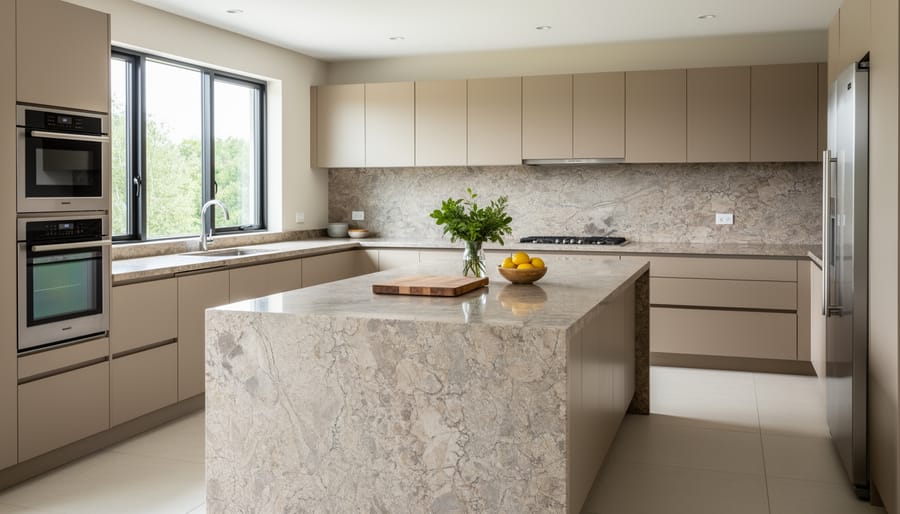
High-value improvements share three defining characteristics: they appeal to a broad range of buyers, recoup at least 70% of their cost at sale, and enhance both functionality and aesthetic appeal. Natural stone applications consistently meet all three criteria, making them among the safest renovation investments a homeowner can make.
Natural stone countertops represent the gold standard in kitchen upgrades. Granite countertops typically return 75-85% of installation costs, while marble and quartzite command even higher premiums in many markets. Buyers perceive these materials as luxury features that signal overall home quality, and unlike trendy surface materials that date quickly, natural stone’s timeless appeal endures across shifting design preferences. A kitchen with granite or marble countertops sells faster and commands higher offers than identical homes with laminate or tile surfaces.
Stone flooring, whether marble, travertine, or slate, delivers similar returns. These installations last decades without replacement, a selling point that resonates strongly with buyers calculating long-term ownership costs. The natural stone returns typically range from 70-90% depending on material choice and market conditions, outpacing carpet, vinyl, and even hardwood in many price segments.
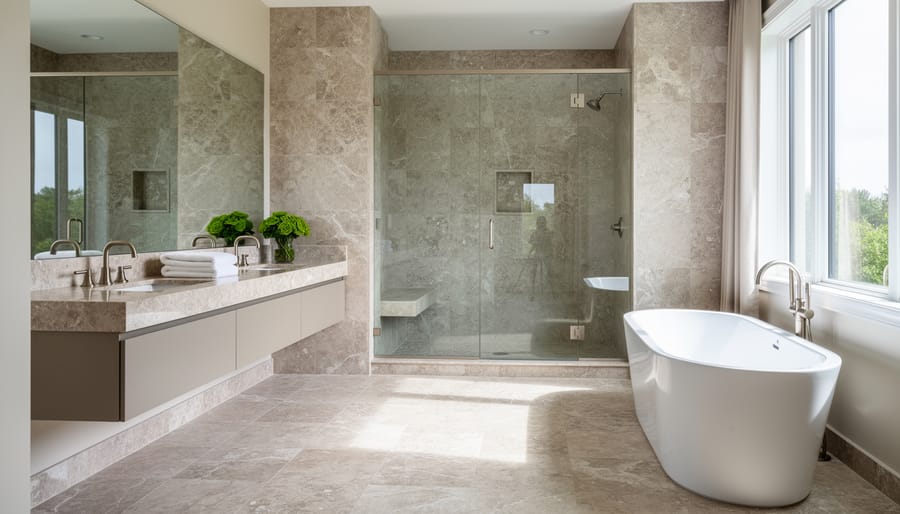
Natural stone bathrooms, particularly in primary suites, rank among the highest-impact upgrades. A marble-clad shower or travertine floor transforms a utilitarian space into a spa-like retreat that buyers will pay premium prices to own.
Beyond natural stone, proven high-value improvements include:
- Minor kitchen remodels focusing on cabinet refinishing and updated fixtures (80-85% ROI)
- Bathroom updates with quality materials and modern layouts (70-75% ROI)
- Energy-efficient window replacements in moderate climates (70-80% ROI)
- Garage door replacements, surprisingly delivering 90%+ returns in many markets
- Fresh exterior paint in neutral colors (75-100% ROI)
What sets these improvements apart is their universal appeal. They solve common buyer objections, reduce perceived maintenance burden, and create emotional responses that justify higher offers. Natural stone exemplifies these qualities better than most alternatives, which explains its consistent performance across diverse real estate markets.
Low-Value Improvements: Where Homeowners Lose Money
Not all upgrades translate to higher sale prices. Some improvements consistently fail to recoup their costs, leaving homeowners with buyer’s remorse when they list their property. Understanding what drags down ROI helps you avoid expensive mistakes.
Overly Personalized Features
Custom wine cellars, elaborate home theaters with stadium seating, or professionally designed game rooms rarely appeal to the broad buyer market. While you might love your climate-controlled cigar humidor or commercial-grade pizza oven, most buyers see these as features they’ll need to remove or repurpose. The narrow appeal means you’ll never recover what you spent.
Swimming Pools in the Wrong Markets
A luxury pool installation can cost $50,000-$150,000, yet adds minimal value in northern climates or urban markets where maintenance concerns outweigh the appeal. In cold-weather regions, buyers often view pools as liabilities requiring winterization, upkeep, and insurance increases. Even in warm markets, pools typically return only 30-40% of installation costs.
Trendy Design Choices
That Venetian plaster accent wall or ship-lap everything approach might be Instagram-worthy now, but design trends fade fast. Buyers in 2026 increasingly prefer timeless materials over whatever dominated Pinterest three years ago. Laminate “wood-look” flooring, vinyl wraps on cabinets, and other synthetic trend-chasing upgrades date quickly and signal cheap fixes rather than quality investments.
Common low-value improvements that rarely pay off include:
- Synthetic countertops marketed as stone alternatives – buyers recognize quartz composites and laminates as budget choices, not premium materials
- Extensive landscaping beyond basic curb appeal – elaborate water features and specimen plantings require ongoing maintenance most buyers don’t want
- High-end electronics and smart home systems – technology becomes obsolete quickly and doesn’t transfer value to the property itself
- Luxury primary suite additions in modest neighborhoods – over-improving beyond your market creates pricing mismatches buyers won’t pay for
- Sunrooms and three-season porches – these additions often cost $30,000-$80,000 but return less than 50% at resale
The pattern across failed improvements is clear: they prioritize personal taste over market demand, choose trendy over timeless, or select synthetic materials when buyers expect authentic quality. The homes that command premium prices feature durable, universally appealing materials that stand the test of time.
Comparing Key Home Improvement Dimensions
Return on Investment: The Numbers Behind Each Choice
Natural stone upgrades deliver measurably stronger returns than synthetic alternatives across major home improvement categories. In 2026, granite and quartzite kitchen countertops recoup 75-85% of installation costs at sale, while quartz surfaces return 65-75% and laminate barely reaches 50-60%. The gap widens further with marble bathroom vanities, which can return up to 90% in premium markets.
These figures reflect national averages, but regional variations matter significantly. Coastal markets and metropolitan areas show even higher returns for natural stone, with some California and Northeast properties recouping 95% on marble and granite upgrades. Midwest and Southern markets trend slightly lower but still favor natural stone over synthetics by 10-15 percentage points.
Compare this to other popular improvements: bathroom remodels using natural stone return 70-80% versus 55-65% for standard materials. Kitchen renovations incorporating natural stone countertops and backsplashes average 78% ROI, while similar projects with engineered surfaces return 62%. Minor kitchen updates with granite or marble additions recoup 82%, among the highest returns for any single improvement.
The durability factor amplifies these numbers over time. While initial costs run higher, natural stone’s 50-plus-year lifespan means buyers perceive greater long-term value compared to materials requiring replacement within 15-20 years. This perception directly translates to stronger offers and faster sales, particularly in competitive markets where quality signals matter most.
Buyer Appeal and Market Demand
Real estate data reveals that 73% of homebuyers prioritize kitchen and bathroom quality when making offers, with natural stone surfaces appearing on 8 out of 10 buyer wish lists. Granite, marble, and quartzite countertops signal quality instantly because buyers associate these materials with premium homes, even when they appear in mid-range properties.
Contrast this with improvements that appeal to narrow segments. Wine cellars attract serious collectors but leave most buyers indifferent. Home theaters excite entertainment enthusiasts yet rarely justify their $50,000+ costs at resale. Smart home systems divide buyers between tech-savvy adopters and those who find them complicated.
Natural stone succeeds across demographics because it satisfies both practical and aspirational needs. Young professionals appreciate low-maintenance durability. Families value the surface’s longevity. Empty nesters recognize timeless elegance that won’t date. This broad appeal translates directly into competitive offers.
The timeless versus trendy divide matters significantly. All-white kitchens with marble counters remain desirable year after year. Barn doors and shiplap walls, once ubiquitous, already feel dated to many 2026 buyers. When improvements trend toward permanent materials rather than design fads, they maintain market appeal regardless of when you sell.
Longevity and Durability Impact
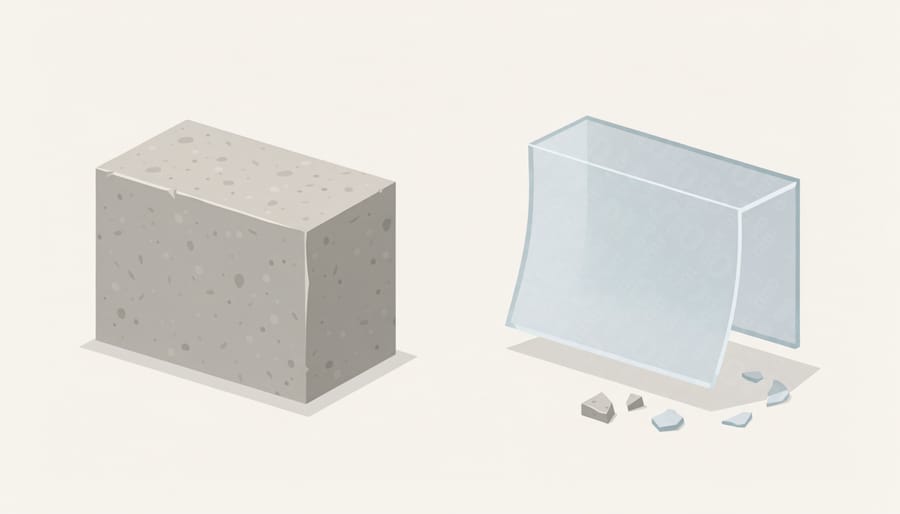
Material lifespan directly influences what buyers will pay. Natural stone countertops and flooring remain functional for 50-100 years with minimal maintenance, while laminate and engineered quartz typically need replacement after 10-15 years. This difference shows up in appraisals and offers.
When buyers assess a property, they calculate replacement timelines. A granite or marble kitchen installed ten years ago still has decades of life remaining. Laminate countertops of the same age are nearing end-of-life, signaling an immediate expense. This anticipated cost gets deducted from what buyers offer.
Durability also signals overall home quality. Stone flooring and countertops suggest the homeowner invested in permanent solutions rather than temporary fixes. Buyers interpret this as evidence of careful maintenance throughout the property, justifying premium pricing.
The durability advantage compounds over time. A stone bathroom installed in 2010 still looks current in 2026. Trendy tile from that era appears dated. This longevity means stone improvements continue adding value years after installation, whereas synthetic materials depreciate rapidly once they show wear or fall out of style.
Cost-to-Value Ratio Across Improvement Types
The most revealing measure of any home improvement’s worth isn’t its final price tag, it’s how much value you gain per dollar spent. This ratio separates smart investments from expensive mistakes.
Natural stone countertops in kitchens consistently deliver exceptional cost-to-value ratios. A mid-range granite or quartzite installation costing $4,000-$8,000 typically returns $3,200-$6,400 at sale, yielding 80-85 cents per dollar. Compare this to a $15,000 luxury pool addition that might return only $7,500, just 50 cents per dollar, and the distinction becomes clear.
Stone bathroom vanities occupy a sweet spot: $2,500-$5,000 installations routinely return 75-90% of cost while requiring minimal maintenance. Meanwhile, smart home systems costing similar amounts typically recoup only 40-50%, as technology ages quickly and buyer preferences vary widely.
The pattern holds across categories. Mid-range natural stone flooring at $8-$15 per square foot returns substantially more per dollar than exotic hardwoods at $20-$35. High-end wine cellars, outdoor kitchens, and luxury home theaters consistently rank among the poorest cost-to-value performers, often returning under 40 cents per dollar invested.
Budget matters less than material choice. Strategic use of quality natural stone in visible areas beats expensive, personalized upgrades every time.
Who Should Choose Which Improvements
For Homeowners Selling Within 1-2 Years
When you’re selling soon, every dollar spent on improvements must directly translate to higher offers. Focus exclusively on upgrades that buyers notice immediately and value universally.
Natural stone countertops in the kitchen represent the single highest-impact improvement for near-term sellers. Granite, marble, or quartzite countertops immediately elevate a kitchen’s perceived value and typically return 75-85% of investment within this timeframe. Buyers prioritize kitchens above all other spaces, and dated laminate counters can kill deals before negotiations begin.
Primary bathroom updates with natural stone come second. A marble or travertine vanity top, combined with neutral stone flooring, transforms this high-traffic space without massive expense. These improvements appeal across buyer demographics and justify premium pricing.
Skip anything personalized or trendy. Avoid bold tile patterns, custom built-ins for specific hobbies, or expensive landscaping features. Buyers won’t pay extra for your taste, but they will pay for quality materials in neutral applications.
Neutral stone flooring in entryways and main living areas rounds out the essential trio. It’s what buyers see first and signals overall home quality instantly.
For Long-Term Homeowners Planning Future Sale
When you’re planning to stay in your home for five or more years before selling, you can make improvements that deliver daily enjoyment while building long-term equity. The sweet spot lies in durable upgrades that look better with age rather than dated after a few seasons.
Natural stone countertops exemplify this strategy perfectly. A marble or quartzite kitchen surface you install today will still command buyer attention a decade from now, unlike trendy tile backsplashes or painted cabinets that cycle in and out of fashion. The patina that develops on natural stone adds character rather than wear, and buyers in 2026 recognize this timeless quality.
Prioritize improvements in spaces you use constantly. A primary bathroom with marble vanity and limestone flooring enhances your daily routine while protecting resale value. Natural stone flooring in high-traffic areas withstands years of family life without showing premature aging.
Avoid highly personalized choices like elaborate wine cellars or themed rooms. Instead, select classic materials and neutral applications that future buyers will appreciate. The goal isn’t predicting 2030s trends but choosing materials with proven staying power across market cycles.
For Investment and Flip Properties
For investment properties, concentrate your natural stone budget where buyers look first: kitchen countertops and the primary bathroom vanity. These focal points deliver maximum perceived value without overspending. Choose mid-tier granite or quartzite rather than exotic marble, buyers recognize quality stone but won’t pay premiums for rare varieties in flip properties.
Economize strategically in secondary spaces. Use cost-effective porcelain tile that mimics natural stone in guest bathrooms and laundry areas. Skip stone flooring in bedrooms where carpet or engineered wood costs less yet satisfies buyer expectations. Avoid limestone or marble in high-maintenance applications that could show wear before sale.
This targeted approach typically returns 85-95% of stone investment while keeping total renovation costs manageable. The key is creating impact where it counts, buyers remember stunning stone counters and spa-like primary baths, not whether every surface features premium materials.
What Each Option Is
Home improvements fall into two distinct categories when it comes to resale value. High-value improvements are upgrades that recoup at least 70% of their cost at sale and appeal to a broad range of potential buyers. These include natural stone installations like granite or marble countertops, quality bathroom renovations featuring stone surfaces, and durable flooring options. They’re characterized by timeless appeal, proven durability, and universal buyer demand. Think materials that last decades and never go out of style.
Low-value improvements are those that recover less than 50% of their cost or appeal to limited buyer pools. These include highly personalized features like home theaters, luxury pools in cooler climates, ultra-contemporary design choices, and synthetic material upgrades marketed as premium but lacking longevity. While some value-adding weekend projects can boost appeal without major investment, large-scale low-value improvements often represent money spent that won’t return at closing. The distinction matters because it determines whether you’re investing in your home’s equity or simply spending on personal preferences.
Dimension-by-Dimension Comparison
When evaluating home improvements for resale value, four core dimensions separate winners from losers.
Initial Investment Required
Natural stone kitchen countertops run $3,000-$8,000 for typical installations, while full bathroom stone upgrades range $5,000-$15,000. Compare this to swimming pools at $30,000-$70,000 or home theaters at $20,000-$50,000. The sweet spot sits between budget-friendly updates that look cheap and excessive spending that buyers won’t reimburse.
Time to Sale Impact
Stone upgrades sell homes 15-30% faster than comparable properties, cutting market time from 45 days to 30. Conversely, niche improvements like wine cellars or elaborate outdoor kitchens can actually extend listing periods by limiting your buyer pool.
Maintenance Requirements Buyers Consider
Natural stone needs only periodic sealing. Pools demand weekly chemicals, cleaning, and $1,200-$2,500 annual maintenance. Smart home systems require updates and troubleshooting. Buyers calculate these ongoing costs into their offers, penalizing high-maintenance additions.
Broad vs. Narrow Appeal
Stone counters and flooring appeal to 85-90% of buyers across all demographics. Highly personalized improvements, bold tile patterns, commercial-grade appliances, or themed rooms, attract maybe 10-15% of the market while alienating the rest.
Common Questions About Value-Adding Improvements
Homeowners weighing improvement options often have specific questions about timing, materials, and market factors that determine whether upgrades will actually pay off at sale time. These concerns become particularly important when comparing natural stone applications to alternative materials and deciding which improvements to prioritize.
Does natural stone really add more value than engineered alternatives?
Yes, natural stone consistently commands higher resale premiums because buyers perceive it as a luxury material that signals quality throughout the home. While engineered materials may function similarly, they don’t generate the same buyer excitement or willingness to pay more, typically returning 15-25% less on investment than genuine marble, granite, or quartzite.
Which rooms provide the best ROI for stone upgrades?
Kitchens deliver the highest return, with natural stone countertops recouping 75-90% of costs, followed closely by primary bathrooms at 70-85%. Secondary bathrooms and entryway flooring can add value but should be lower priority unless these spaces are notably dated or damaged.
How do regional market conditions affect improvement value?
Coastal and upscale suburban markets show stronger returns on natural stone upgrades, while rural or lower-priced markets may see diminished premiums. Research comparable sales in your specific area to gauge whether buyers in your market consistently pay more for stone features before committing to upgrades.
When is the best time to upgrade before selling?
Complete improvements 3-6 months before listing to allow time for installation, minor settling issues, and professional staging that showcases the upgrades. Last-minute rushed renovations often show poor workmanship that can actually decrease buyer confidence rather than add value.
The timing question deserves emphasis because homeowners sometimes assume they can add value right before listing, but buyers can spot hasty work. Natural stone installations need proper setting time, grout curing, and sealing before they look their best. Budget for this lead time, and don’t compromise on professional installation trying to save money, since poor workmanship negates the material quality advantage that makes stone valuable in the first place.
The difference between home improvements that add value and those that drain your budget comes down to three factors: durability, broad appeal, and market demand. Natural stone applications, granite countertops, marble bathrooms, quartzite islands, consistently deliver because they check all three boxes. A marble vanity top will still look premium in 15 years. A pink velvet accent wall won’t.
Buyers pay more for homes with quality materials they won’t need to replace. They discount homes with personalized features they’ll have to undo. The numbers prove this: natural stone kitchen upgrades return 75-85% of cost in most markets, while that custom wine cellar or statement wallpaper might recoup 30% if you’re lucky.
If you’re preparing to sell, invest in improvements that the next owner wants, not just what you’d enjoy. Focus your budget where it’s visible and functional: kitchen counters, bathroom surfaces, entryway flooring. Choose materials with proven longevity over trendy finishes that’ll look dated by closing.
Natural stone isn’t the only value-add option, but it’s among the most reliable. In 2026’s market, where buyers scrutinize every dollar, durable and timeless beats bold and personalized. The homes that sell fastest and command premium prices are the ones where previous owners made smart, buyer-focused choices. Your improvement decisions today determine whether you’re that seller or the one explaining away quirky features during showings.