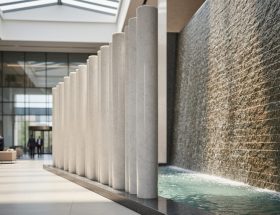
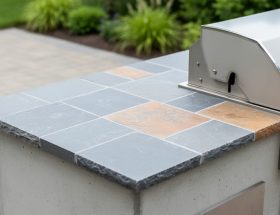
Stone houses today merge ancient durability with cutting-edge architectural vision, creating residences that stand as testaments to timeless elegance and environmental responsibility. Where medieval castles once dominated hillsides, contemporary stone homes now showcase transparent walls, cantilevered volumes, and minimalist geometries—all anchored by the raw, textured beauty of natural rock.
The resurgence of stone in residential architecture reflects a fundamental shift in how we approach sustainable living. Modern architects harness limestone, granite, sandstone, and slate not merely as structural elements but as design statements that regulate temperature, age gracefully, and connect inhabitants to geological time. These materials require minimal maintenance, improve energy efficiency, and develop distinctive patinas that synthetic alternatives cannot replicate.
Contemporary stone homes challenge traditional expectations. Glass-and-stone combinations dissolve boundaries between interior and exterior spaces. Dry-stacked walls create rhythm through shadow and depth without mortar. Polished stone floors transition seamlessly into rough-hewn exterior cladding, establishing visual continuity that celebrates material authenticity.
Whether you’re an architect exploring sustainable materials, a designer seeking textural contrast, or a homeowner planning a renovation, understanding how stone functions in modern contexts opens extraordinary possibilities. The following exploration examines specific stone varieties, innovative application techniques, and real-world projects that demonstrate how this primordial material continues shaping residential architecture’s future. From selecting appropriate stone types to implementing them within contemporary frameworks, these insights bridge inspiration with practical execution.
Why Modern Architects Are Returning to Stone
Sustainability Meets Durability
Stone houses represent one of architecture’s most environmentally responsible choices, combining natural beauty with exceptional ecological credentials. Unlike manufactured building materials that require energy-intensive processing, stone needs minimal refinement from quarry to construction site. This reduced manufacturing footprint significantly lowers embodied carbon compared to concrete, steel, or synthetic alternatives.
Local sourcing potential further enhances stone’s sustainability profile. Regional quarries can supply projects within their geographic area, dramatically cutting transportation emissions while supporting local economies. Many modern stone houses showcase indigenous materials that reflect their surrounding landscape, creating buildings deeply connected to place.
The true environmental advantage of sustainable stone design lies in longevity. Stone structures routinely last centuries with minimal maintenance, eliminating the resource consumption associated with replacement cycles. While wood siding might require renewal every 15-20 years and stucco every 25-30 years, properly installed stone facades can endure for generations without deterioration.
This durability extends beyond aesthetics. Stone’s thermal mass properties contribute to passive climate control, reducing heating and cooling demands throughout the building’s lifetime. When construction impacts are amortized across a stone house’s multi-century lifespan, the environmental cost per year of use becomes remarkably low, making stone an investment in both architectural beauty and planetary responsibility.
The Aesthetic Revolution
Modern architecture has long embraced minimalism, with its clean lines and uncluttered spaces. Yet this simplicity can sometimes feel cold or sterile. Stone bridges this gap beautifully, introducing organic warmth without compromising contemporary design principles.
The inherent variations in natural stone—subtle veining, color gradations, and textural depth—create visual complexity that works in harmony with minimalist aesthetics. Where a plain white wall might feel stark, a limestone feature wall adds dimension while maintaining restraint. Each stone surface tells a geological story millions of years in the making, transforming simple architectural forms into living canvases.
This aesthetic synergy explains stone’s resurgence in contemporary residential design. Architects increasingly specify stone for accent walls, fireplace surrounds, and exterior cladding precisely because it delivers visual interest without ornamentation. The material itself becomes the decoration.
Consider how a single travertine wall in an otherwise minimal living space draws the eye while supporting the overall design philosophy. Or how stacked stone veneer adds shadow play and texture to a modern entryway without introducing pattern or color complexity.
Stone’s natural imperfections—the very characteristics that make each piece unique—align perfectly with contemporary design’s appreciation for authentic materials. This authenticity resonates with homeowners seeking spaces that feel both sophisticated and grounded in natural beauty.
Defining Characteristics of Modern Stone Houses

Clean Lines with Natural Texture
Modern stone houses excel at creating visual tension between strict architectural forms and the inherent irregularity of natural materials. This interplay defines contemporary stone design, where sharp edges and minimalist geometries meet the organic patterns found in limestone, granite, or slate.
The aesthetic power comes from juxtaposition. Clean-lined facades with flush joints and precision-cut stone panels emphasize architectural intent, while the stone itself introduces variation through natural veining, color shifts, and surface texture. A rectangular volume clad in textured fieldstone, for instance, maintains its geometric clarity while gaining warmth and depth from the material’s irregular surface.
Interior applications follow similar principles. Stone accent walls with honed or split-face finishes bring tactile richness to otherwise minimal spaces without compromising the overall design language. The material grounds contemporary interiors, adding weight and permanence to spaces that might otherwise feel sterile.
This balance requires careful stone selection and installation. Thinner stone veneers allow precise application on modern frameworks, while varying finish techniques—from polished to rough-hewn—let designers control how much organic character enters the composition. The result is architecture that feels both refined and rooted in natural materiality.
Glass and Stone Partnerships
The marriage of glass and stone represents one of the most compelling expressions in contemporary stone architecture. This pairing creates a dynamic tension between solid and transparent, permanent and ephemeral. Floor-to-ceiling windows set against substantial stone walls blur the boundaries between interior and exterior spaces, inviting natural light deep into the home while maintaining privacy and thermal mass where needed.
Architects strategically position glazing to frame specific views, transforming the landscape into living artwork that complements the stone’s natural patterns. Stone corners or accent walls anchor glass facades, providing structural support and visual weight that prevents modern homes from feeling too ethereal. This combination works particularly well with limestone, granite, and slate, whose varied textures contrast beautifully with smooth glass surfaces.
The technical advantage extends beyond aesthetics. Stone walls provide excellent thermal regulation, while strategic glass placement maximizes passive solar heating and natural ventilation. Together, they create homes that feel connected to their surroundings while delivering superior energy performance and timeless visual appeal.
Interior-Exterior Stone Continuity
Contemporary stone architecture increasingly employs a seamless visual language where exterior materials flow naturally into interior spaces. This design approach dissolves traditional boundaries between inside and out, creating unified environments that feel both grounded and expansive.
The technique typically involves selecting a primary stone material for the building’s facade and then carrying it through entryways, into living areas, or along specific architectural features like fireplace surrounds or accent walls. Limestone cladding that begins outdoors might continue into a foyer, while slate used on exterior walls could transition into kitchen backsplashes or bathroom vanities. This continuity strengthens the design narrative while emphasizing stone’s versatility.
Floor-to-ceiling glass walls amplify this effect, allowing stone surfaces to be viewed simultaneously from both perspectives. The material’s texture and natural variations become focal points that connect different zones without interruption. When interior stone mirrors exterior applications, the home feels cohesive and intentional rather than compartmentalized.
This strategy works particularly well in open-plan layouts where sightlines extend through multiple rooms. The repeated stone element serves as a wayfinding device and visual anchor, guiding movement while maintaining aesthetic harmony. The result is architecture that feels holistic, where material choices reinforce rather than fragment the overall design vision.
Popular Stone Types for Contemporary Homes

Limestone: The Minimalist’s Choice
Limestone has become a cornerstone material for minimalist modern homes, valued for its understated elegance and natural restraint. Available in soft beiges, warm grays, and creamy whites, limestone creates the neutral palette that contemporary minimalism demands. Its subtle color variations add visual interest without overwhelming clean architectural lines.
The stone’s versatility in finish options makes it particularly adaptable. Honed limestone delivers a smooth, matte surface that diffuses light gently, while tumbled finishes introduce texture without busyness. For ultra-minimalist projects, polished limestone can achieve an almost seamless appearance, though many designers prefer the softer honed finish for its less reflective quality.
Limestone’s moderate hardness allows for precision cutting and clean edges, essential for achieving the sharp geometries minimalist design requires. Unlike more dramatic stones, limestone doesn’t compete for attention—it provides a calm, cohesive backdrop that allows architectural form and spatial relationships to take center stage. This self-effacing quality, combined with its natural warmth, explains why limestone remains the preferred choice for architects pursuing refined simplicity in residential projects.
Granite: Strength Meets Sophistication
Granite stands as one of nature’s most resilient building materials, making it an exceptional choice for modern stone houses that demand both longevity and visual appeal. This igneous rock, formed deep within the earth under extreme pressure and heat, offers compressive strength that surpasses most construction materials, ensuring structural integrity that can last centuries with minimal maintenance.
The aesthetic versatility of granite rivals its structural performance. Contemporary architects and designers work with an impressive spectrum of colors, from classic grays and blacks to warmer tones of beige, pink, and even blue-green variations. Each slab features unique crystalline patterns and mineral compositions, ensuring no two applications are identical.
In modern residential design, granite serves multiple purposes beyond traditional countertops. Load-bearing exterior walls showcase the material’s structural capabilities while creating striking facades that weather beautifully over time. Polished granite accent walls bring sophisticated texture to interior spaces, while honed or flamed finishes provide slip-resistant surfaces for outdoor pathways and terraces. The stone’s thermal mass properties also contribute to passive climate control, absorbing heat during the day and releasing it gradually—a sustainable feature increasingly valued in contemporary architecture.
Slate: Dramatic Texture and Color
Slate brings an unmatched sense of drama to modern stone houses through its distinctive geological layering and exceptional color range. Unlike uniform materials, slate displays natural stratification that creates depth and visual interest, with each piece telling a story of millions of years of formation. The color palette extends far beyond basic gray, encompassing rich charcoals, deep purples, forest greens, and warm russets that can transform a contemporary facade or interior wall into a striking focal point.
Modern architects capitalize on slate’s cleft surface texture, which catches and reflects light differently throughout the day, adding dynamic visual movement to static walls. When installed with varying orientations, the layered edges create shadow lines that enhance architectural dimension. This textural quality makes slate particularly effective for feature walls, fireplace surrounds, and exterior cladding where dramatic impact is desired. The material’s natural variation means no two installations are identical, offering architects a way to create truly unique residential designs that balance contemporary minimalism with organic character and timeless geological beauty.
Marble: Luxury in Contemporary Context
Marble continues to reign as the epitome of sophistication in modern stone houses, evolving from classical Greek columns to striking contemporary installations. Today’s architects leverage marble’s natural veining and luminous quality to create dramatic focal points that anchor entire living spaces. Feature walls in Calacatta or Statuario marble transform ordinary rooms into gallery-like settings, with bold veining patterns serving as organic artwork. The material’s inherent luxury translates seamlessly into modern contexts through unexpected applications—think waterfall kitchen islands, backlit bathroom partitions, or floor-to-ceiling fireplace surrounds.
Contemporary designers often pair marble with minimalist frameworks, allowing the stone’s natural beauty to command attention without competing elements. Book-matched slabs create stunning mirror-image patterns, while honed finishes offer subtle elegance compared to traditional polished surfaces. High-traffic areas benefit from marble’s durability when properly sealed, making it both a practical and aesthetic choice. Statement pieces like marble-clad accent walls or integrated shelving demonstrate how this timeless material adapts to current design sensibilities while maintaining its historic grandeur.
Innovative Stone Applications in Modern Home Design
Floating Stone Staircases
Floating stone staircases represent a dramatic evolution in residential design, where massive stone treads appear to hover in mid-air without visible support. Advanced structural stone engineering makes this illusion possible through cantilevered steel frameworks embedded within walls or hidden reinforcement systems. Granite, limestone, and marble slabs are precision-cut and anchored using concealed steel rods or brackets, distributing weight safely while maintaining clean visual lines. These installations require careful load calculations and expert fabrication, but the result transforms functional circulation into sculptural focal points. The interplay between stone’s inherent mass and apparent weightlessness creates striking visual tension, particularly effective in double-height spaces where natural light accentuates the shadows beneath each tread. This design approach exemplifies how contemporary homes integrate natural materials through innovative technical solutions.

Integrated Stone Furniture
Integrated stone furniture transforms functional elements into permanent architectural statements that anchor modern interiors. Kitchen islands crafted from single marble or granite slabs create dramatic focal points while offering durability that withstands decades of use. These built-in features eliminate seams and joints, showcasing the stone’s natural veining in uninterrupted sweeps across large surfaces.
Bathroom vanities carved from limestone or travertine provide spa-like luxury while maintaining the clean lines essential to contemporary design. The stone’s natural resistance to moisture makes it particularly suitable for wet environments, aging gracefully as it develops character over time.
Built-in seating, whether window benches in polished granite or outdoor lounging areas in sandstone, blurs the boundary between furniture and architecture. These permanent installations reduce visual clutter by eliminating movable pieces, creating cohesive spaces where every element serves both practical and aesthetic purposes. The thermal mass of stone seating also provides natural temperature regulation, staying cool in summer and retaining warmth in winter months.
Stone Accent Walls as Art
In minimalist modern interiors, textured stone walls transcend their structural purpose to become striking artistic statements. Rather than treating stone as mere backdrop, contemporary designers showcase its inherent beauty through strategic placement and lighting. A single wall clad in split-face limestone or stacked slate creates dramatic visual interest without overwhelming clean-lined spaces.
The three-dimensional quality of natural stone introduces tactile depth that contrasts beautifully with smooth surfaces like polished concrete or glass. Ridge patterns cast ever-changing shadows throughout the day, transforming the wall into a living sculpture. This approach works particularly well in open-plan living areas, where a stone accent wall anchors the space while maintaining the airy feel essential to modern design.
Designers often position these walls to catch natural light at angles that emphasize texture, or use directional artificial lighting to enhance depth. The result is a focal point that draws the eye while celebrating the raw, organic character of stone in its most authentic form.
Outdoor-Indoor Stone Transitions
Creating fluid transitions between outdoor and indoor spaces amplifies the expansive feel characteristic of modern stone houses. The key lies in selecting identical or complementary stone materials that continue uninterrupted across thresholds. Large-format pavers in limestone or slate work particularly well, as their minimal grout lines emphasize continuity. Installing the same stone at matching elevations eliminates visual barriers, making patios and living rooms feel like one cohesive environment.
When extending stone walls from exterior facades into interior feature walls, maintain consistent coursing patterns and finishes. A honed basalt wall that begins outside and wraps into an entryway creates dramatic impact while reinforcing architectural unity. Consider waterproofing and drainage details carefully where stone transitions through doorways, ensuring proper sealing without compromising the seamless aesthetic. Floor heating systems installed beneath interior stone sections enhance comfort while preserving the material’s natural beauty and tactile appeal throughout seasons.
Real-World Modern Stone House Inspirations
The Desert Stone Pavilion
Located in Arizona’s Sonoran Desert, this striking residence demonstrates how indigenous materials create architectural harmony with surrounding terrain. The home’s exterior features locally-sourced sandstone in warm ochre and rust tones that mirror the desert’s natural palette. These rough-hewn stone walls provide essential thermal mass, absorbing heat during scorching days and releasing it through cooler nights—a practical application of stone in modern architecture.
Large glass expanses contrast with solid stone volumes, creating a dynamic interplay between transparency and mass. The stone extends from exterior walls into interior spaces, blurring boundaries between inside and outside. A central courtyard features a water element surrounded by polished desert limestone, offering respite from the harsh climate. The architects specified stone with natural cleft surfaces for exterior applications, maintaining the material’s organic character while achieving clean, contemporary lines. This project exemplifies how regional stone resources can inform design decisions that are both aesthetically compelling and environmentally responsive.

Urban Stone Sanctuary
Located in a dense metropolitan neighborhood, this three-story residence demonstrates how stone walls can transform urban living conditions. The architects specified 12-inch thick limestone panels for the street-facing facades, creating a substantial barrier against traffic noise while maintaining the home’s contemporary aesthetic.
The stone exterior reduces ambient noise by approximately 40 decibels compared to conventional building materials, establishing peaceful interior spaces despite the surrounding city bustle. This acoustic performance allowed the designers to incorporate larger windows on upper floors without compromising sound insulation.
Inside, the same limestone continues into the entrance hall and living areas, providing textural continuity between exterior and interior spaces. The material’s natural variations in tone—ranging from warm beige to soft gray—add depth and character without requiring additional decorative elements.
For privacy, the ground floor features minimal fenestration behind the stone walls, while strategic window placement on higher levels captures natural light and city views. The stone’s thermal mass also helps regulate indoor temperatures, reducing energy costs in both summer and winter months.
Coastal Contemporary Stone Residence
Coastal environments demand materials that can withstand salt spray, high winds, and intense UV exposure, making stone an ideal choice for seaside contemporary homes. Weather-resistant varieties like granite, limestone, and quartzite naturally resist moisture penetration and maintain their structural integrity despite harsh marine conditions. These materials require minimal maintenance compared to wood or stucco alternatives that deteriorate rapidly in coastal climates.
Modern coastal stone residences often feature large-format stone cladding that creates seamless transitions between interior and exterior spaces. The natural color variations in stone complement surrounding beach landscapes, from sandy neutrals to deeper grey tones that echo ocean hues. Designers frequently combine stone with expansive glass walls, allowing the material’s texture to frame panoramic water views while providing wind protection for outdoor terraces.
The thermal mass properties of stone also benefit coastal homes, moderating temperature fluctuations between warm days and cool ocean breezes. This passive climate control reduces energy consumption while maintaining comfortable interior environments year-round.
Practical Considerations for Building with Stone
Structural Requirements and Engineering
Modern stone houses require careful structural planning to accommodate stone’s unique properties. Stone veneers weighing 12-15 pounds per square foot need reinforced wall systems, while full stone walls demand substantial foundations extending below frost lines with proper drainage integration.
Contemporary construction typically employs engineered approaches rather than traditional load-bearing stone walls. Thin stone panels, ranging from 1-3 inches thick, attach to steel or wood framing through mechanical anchoring systems or mortar beds, significantly reducing structural loads while maintaining authentic aesthetics.
Advanced techniques include prefabricated stone panel systems that expedite installation and ensure consistent quality. Modern moisture barriers, cavity wall systems, and flexible mortar joints accommodate thermal expansion and prevent water infiltration, addressing historical stone structure weaknesses.
Structural engineers now utilize computer modeling to calculate precise load distributions, ensuring safety while optimizing material efficiency. These innovations make stone facades viable even in seismic zones, with flexible connectors allowing movement without compromising the stone exterior’s integrity or the building’s structural soundness.
Budget and Cost Factors
Modern stone houses represent a significant investment, with costs varying widely based on stone type, project scope, and installation complexity. Natural stone facades typically range from $25 to $70 per square foot installed, while premium materials like limestone or hand-cut granite can exceed $100 per square foot. Interior stone features generally cost less, with accent walls starting around $15 to $40 per square foot.
Labor accounts for approximately 40-50% of total stone installation costs, as skilled craftsmanship is essential for proper placement and longevity. However, stone’s durability offers compelling long-term value. Unlike synthetic materials requiring replacement every 15-20 years, properly installed natural stone can last generations with minimal maintenance, reducing lifecycle costs substantially.
Additional budget considerations include structural reinforcements for heavy stone applications, specialized sealants for weather protection, and professional design consultation. While initial costs exceed conventional materials, stone houses typically command 5-10% higher resale values and lower insurance premiums due to superior fire resistance and durability, making them financially sound long-term investments.
Maintenance in Modern Stone Homes
Contrary to common misconceptions, modern stone homes require less maintenance than many traditional building materials. The durability of natural stone means exterior facades can last decades with minimal intervention, typically needing only periodic cleaning to remove environmental deposits. Interior stone applications demand even less attention, with routine sweeping and occasional damp mopping sufficient for most surfaces.
Different stone types have varying care requirements. Dense granite and quartzite resist staining naturally, while more porous limestone and marble benefit from periodic sealing to maintain their appearance. Modern stone maintenance techniques have simplified care routines significantly, with advanced sealers offering longer-lasting protection and easier application.
For homeowners, establishing a basic maintenance schedule prevents issues before they develop. Annual inspections of exterior stonework, prompt attention to spills on interior surfaces, and using pH-neutral cleaners preserve stone’s natural beauty. Professional assessment every few years ensures any necessary repairs are addressed early, maintaining both aesthetic appeal and structural integrity.
Stone occupies a remarkable position in contemporary architecture, simultaneously ancient and innovative. As we’ve explored, this timeless material has evolved far beyond its traditional applications to become a defining element of modern residential design. The unique combination of durability, thermal efficiency, and natural beauty positions stone as an ideal material for homeowners seeking both sustainability and aesthetic distinction.
The practical benefits are compelling: superior energy efficiency, minimal maintenance requirements, and exceptional longevity that far exceeds conventional building materials. When properly integrated, stone homes offer measurable environmental advantages while reducing long-term costs. These functional considerations, paired with stone’s inherent visual appeal and textural richness, create living spaces that are both practical and inspiring.
For those contemplating stone in their own projects, the possibilities are remarkably diverse. Whether incorporating a single accent wall, designing a complete stone facade, or blending stone with glass and steel, the material adapts to varying budgets, climates, and design visions. Working with experienced architects and stone specialists ensures successful implementation that honors both the material’s characteristics and your specific goals.
Looking ahead, stone’s role in sustainable architecture will only expand as the building industry prioritizes durability, natural materials, and reduced environmental impact. Modern stone houses represent more than a design trend; they embody a thoughtful approach to creating beautiful, resilient homes that will serve generations while treading lightly on our planet.