Que Sera Stone—also known as Llanite or Llanoite—emerges as one of nature’s most enigmatic materials for sacred architecture, combining rare geological origins with distinctive visual properties that have captured the attention of spiritual communities and design professionals alike. This rhyolite-based stone, found exclusively in specific regions of Texas and Brazil, displays a remarkable composition of blue quartz, feldspar, and iron oxide that creates mesmerizing patterns reminiscent of celestial formations.
Specify Que Sera Stone for sacred spaces by requesting slabs that showcase its characteristic blue-gray matrix with pink and burgundy inclusions, ensuring each piece undergoes seismic testing for structural integrity in load-bearing applications. The stone’s Mohs hardness of 6.5-7 makes it suitable for flooring, altar construction, and exterior facades while requiring appropriate sealants to protect against moisture penetration in high-traffic ceremonial areas.
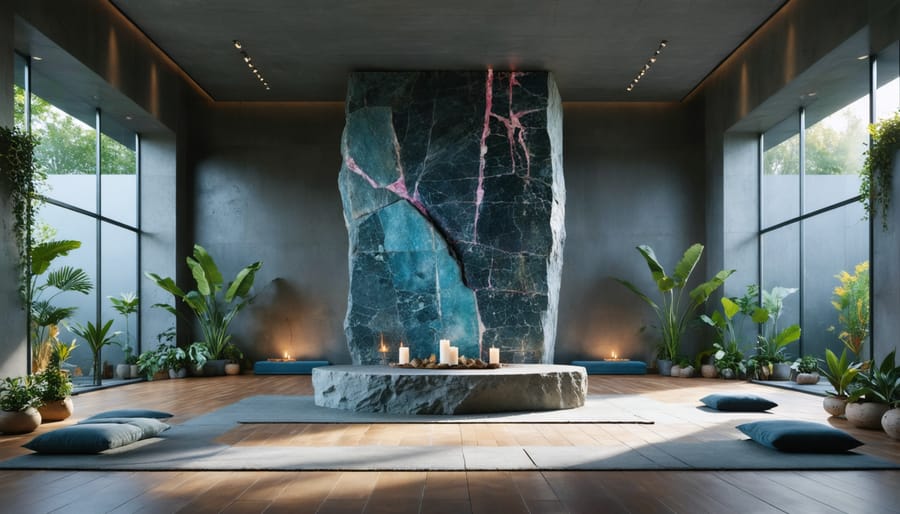
Design meditation rooms and prayer halls using Que Sera’s natural grounding properties, positioning larger installations near entryways or focal points where its unique crystalline structure enhances acoustic performance and natural light diffusion. Understanding the sacred meanings of stones provides essential context for selecting materials that resonate with specific religious traditions while meeting contemporary building standards.
Source material through verified quarries that provide full geological documentation, chain-of-custody certificates, and finishing options ranging from polished to honed surfaces—each treatment revealing different aspects of the stone’s metaphysical appeal and practical durability for your sacred building project.
What Makes Que Sera Stone Different from Other Sacred Stones
Geological Formation and Unique Composition
Que sera stone, also known as Llanite or Llanoite, forms through a fascinating geological process that distinguishes it from other decorative stones. This rare igneous rock originated approximately 1.1 billion years ago in the Llano Uplift region of central Texas, where unique conditions allowed for its complex crystallization.
The stone’s distinctive appearance results from its intricate mineral composition, which typically includes blue quartz, pink feldspar, leucoxene (a titanium mineral), clinozoisite, calcite, kaolinite, iron oxides, and magnetite. This diverse combination creates the signature swirling patterns of blue, pink, brown, and sometimes green that make each piece visually unique. The blue quartz crystals, in particular, provide the striking azure accents that practitioners associate with the stone’s calming energy properties.
During formation, magma cooled slowly beneath the Earth’s surface, allowing minerals to crystallize at different rates and temperatures. This differential cooling process produced the stone’s characteristic mottled appearance and varied crystal structures. The presence of rare earth elements and the specific pH conditions during formation contributed to the unusual color variations that spiritual practitioners believe enhance the stone’s metaphysical qualities.
From a practical standpoint, understanding these natural stone characteristics helps architects and designers select appropriate applications. The stone’s moderate hardness (approximately 6-7 on the Mohs scale) and unique aesthetic make it suitable for interior accent walls, altars, meditation spaces, and decorative elements where its distinctive appearance can be showcased without exposure to heavy wear or harsh outdoor conditions.
Physical Properties That Matter in Sacred Architecture
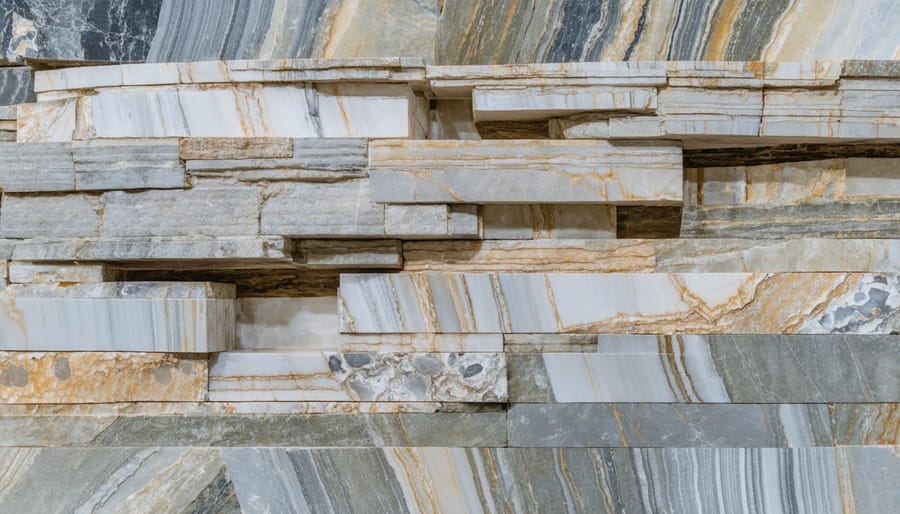
Que sera stone exhibits physical properties that make it particularly suitable for sacred architecture and ceremonial applications. With a Mohs hardness rating of 6.5-7, this metamorphic rock offers excellent durability for both structural elements and devotional objects that endure frequent handling. The stone’s moderate density and stable composition ensure longevity in various environmental conditions, from climate-controlled interiors to outdoor religious monuments.
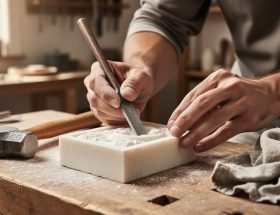
From a workability perspective, que sera responds well to traditional stone-cutting and carving techniques, allowing artisans to create intricate religious symbols, altar pieces, and decorative elements. The material accepts both polished and honed finishes, though its naturally mottled appearance—featuring swirls of blue-gray, pink, and cream—often looks most compelling with a satin or matte finish that enhances its organic patterns.
Aesthetically, que sera’s distinctive coloration creates visual interest without overwhelming sacred spaces. The stone’s subtle color variations provide depth while maintaining the contemplative atmosphere essential to religious environments. Its relative rarity compared to traditional materials like marble or granite adds an element of uniqueness to ceremonial installations, making it increasingly popular for contemporary houses of worship seeking distinctive yet durable materials.
Historical Use of Que Sera Stone in Religious Ceremonies
Indigenous and Shamanic Traditions
Que Sera stone holds particular significance in South American shamanic traditions, where indigenous healers have incorporated this mineral into their spiritual practices for generations. Found primarily in Brazil, this stone’s connection to sacred stone rituals reflects the deep relationship between Amazonian communities and their geological landscape.
Traditional shamans, known as curanderos or pajés in various South American cultures, have utilized Que Sera as a ceremonial tool during healing sessions and spiritual journeys. The stone’s complex mineral composition—featuring quartz, feldspar, calcite, kaolinite, iron oxides, and magnetite—made it particularly valued for its perceived energy properties. Practitioners believed this multi-mineral structure enhanced the stone’s capacity to harmonize different spiritual frequencies during ceremonies.
In shamanic healing practices, Que Sera stones were often placed on specific body points during treatment sessions, used in laying-on-stones ceremonies, or incorporated into medicine bundles alongside other sacred items. Some traditions held these stones during meditation to facilitate connection with earth energies and ancestral wisdom.
Contemporary practitioners continue to reference these indigenous applications when incorporating Que Sera into modern sacred spaces. For architects and designers working on spiritual centers or meditation facilities, understanding this cultural context provides valuable insight into appropriate placement and integration of the stone. The traditional practices suggest using Que Sera in areas designated for healing work, quiet contemplation, or ceremonial gatherings, where its historical significance can enhance the intended spiritual atmosphere of the space.
Modern Spiritual Applications
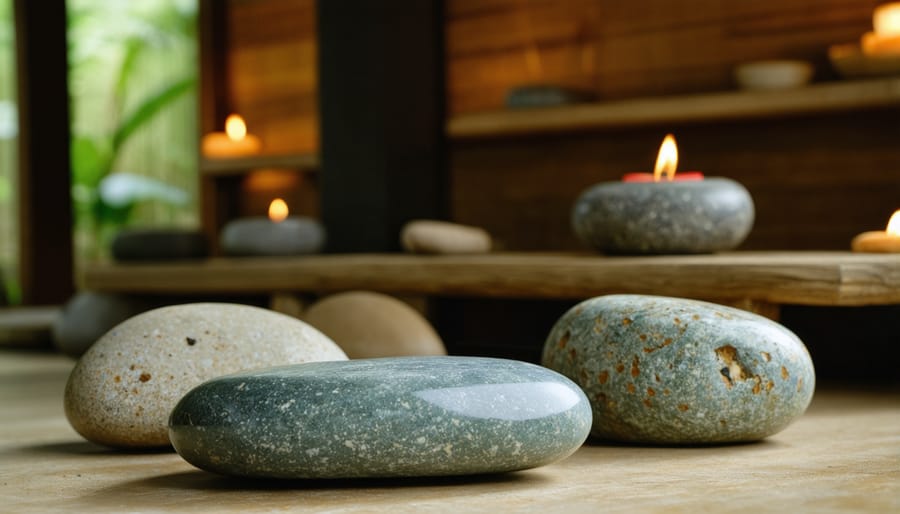
Contemporary spiritual practitioners have embraced que sera stone as a versatile tool for enhancing meditative practices and energy work in modern healing spaces. This distinctive volcanic stone, with its characteristic blend of minerals including quartz, feldspar, and various oxides creating unique patterns, has become increasingly popular in wellness centers, yoga studios, and personal meditation areas.
In healing centers, designers incorporate que sera stone as accent elements in treatment rooms, often selecting polished slabs for feature walls or smaller specimens for practitioner tables. The stone’s natural color variations—ranging from soft pink and cream to deeper browns and blues—complement contemporary minimalist aesthetics while maintaining the organic connection many spiritual practitioners seek in their spaces.
Personal altars frequently feature que sera specimens as centerpiece elements, with practitioners drawn to the stone’s distinctive swirling patterns that create visual focal points during meditation. The material’s durability makes it suitable for both indoor and outdoor sacred spaces, withstanding regular handling and various environmental conditions without degradation.
Metaphysical communities often position que sera stone specimens in community gathering spaces, selecting larger pieces as communal touchstones. When specifying que sera for these applications, designers should consider the stone’s natural variations in pattern and color, ensuring each piece aligns with the intended aesthetic and functional requirements. The stone’s relatively moderate hardness requires proper sealing for high-traffic areas, though this treatment doesn’t diminish its visual appeal or tactile qualities that practitioners value.
Architectural Applications in Sacred Spaces
Flooring and Wall Applications
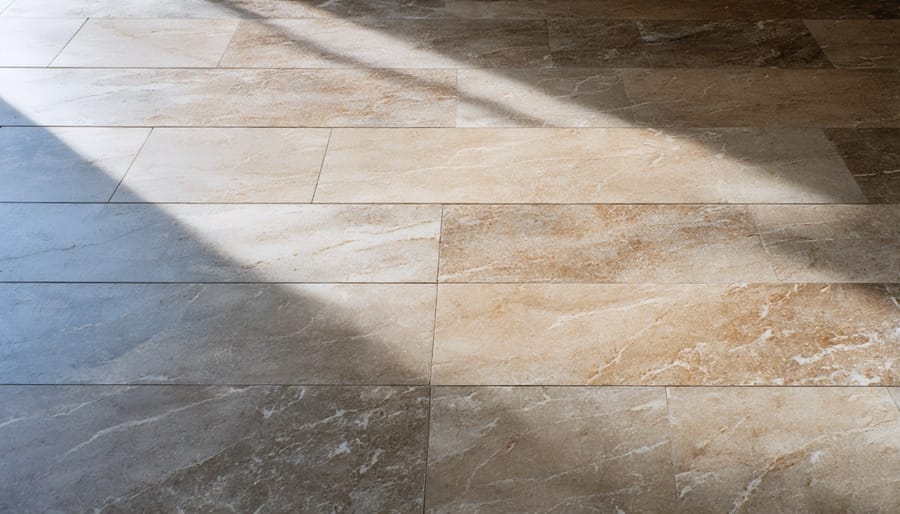
Que sera stone’s moderate hardness (Mohs 6-7) and striking polychromatic patterns make it suitable for various architectural applications in sacred spaces, though proper installation is essential for longevity. For flooring in low to moderate traffic areas like meditation rooms or prayer chapels, the stone should be sealed with a penetrating sealer and installed over a properly prepared substrate with thin-set mortar designed for natural stone. Floor tiles typically measure 12″x12″ or larger format sizes, with 3/16″ grout joints recommended to accommodate slight dimensional variations.
Wall applications offer greater flexibility, as the stone faces less wear. The swirling patterns of blues, pinks, and earth tones create contemplative focal points when used as accent walls or decorative panels behind altars. Wall installations can utilize either mechanical fastening systems for larger slabs or traditional thin-set methods for smaller tiles.
Maintenance requirements remain minimal: regular dry dust mopping and damp cleaning with pH-neutral stone cleaners preserve the finish. Avoid acidic cleaners that can etch the stone’s surface. Resealing every 1-2 years maintains stain resistance, particularly important in ceremonial spaces where oils or waxes may be used. The stone’s natural durability and unique aesthetic justify the maintenance investment for creating meaningful sacred environments.
Altars, Fonts, and Ceremonial Fixtures
Que sera stone’s distinctive blend of earthy tones and natural patterns makes it an exceptional choice for crafting functional religious elements that serve as both practical fixtures and contemplative focal points. The stone’s durability and unique aesthetic qualities allow artisans to create substantial pieces that withstand regular use while maintaining their visual appeal.
For altar construction, que sera stone provides a stable, substantial surface suitable for various ceremonial practices. Its natural color variations—ranging from beige and pink to deep burgundy—create organic patterns that complement traditional and contemporary worship spaces alike. The stone can be cut into solid blocks for freestanding altars or fabricated into slabs for altar tops, with edges finished to match architectural requirements.
Baptismal fonts benefit from que sera stone’s water-resistant properties when properly sealed. Fabricators can carve the stone into traditional pedestal designs or modern basin configurations, with the material’s inherent patterns adding visual interest without overwhelming sacred symbolism.
Meditation benches and prayer kneelers crafted from que sera stone offer smooth, cool surfaces that enhance contemplative practices. The stone’s moderate hardness allows for comfortable carved details while maintaining structural integrity.
Ceremonial vessels, including offering bowls and ablution basins, showcase the stone’s versatility in smaller-scale applications. Professional stone fabricators can create these pieces with precision finishing techniques that highlight the material’s natural beauty while ensuring proper functionality for ritual use.
Exterior and Landscape Integration
Que sera stone’s remarkable durability and spiritual symbolism make it an exceptional choice for outdoor sacred installations where permanence and meaning converge. Its resistance to weathering and distinctive patterning—featuring swirls of blue, gray, and cream—create visual focal points that enhance contemplative spaces while withstanding the elements.
In prayer gardens, que sera stone serves beautifully as meditation benches, altar platforms, or water feature elements. The stone’s natural variations ensure each piece becomes a unique element of the landscape design. For labyrinth pathways, its slip-resistant surface provides safe footing while the stone’s grounding energy complements the meditative walking practice. Many designers incorporate que sera as center stones or directional markers within these sacred geometries.
Memorial installations benefit from the stone’s permanence and gentle aesthetic. Whether crafted into remembrance walls, marker stones, or contemplative seating areas, que sera’s subdued color palette integrates harmoniously with natural surroundings without overwhelming the reflective atmosphere. The stone accepts various finishes—from polished to textured—allowing designers to balance aesthetics with functionality for specific outdoor applications.
When specifying que sera for exterior projects, consider proper sealing to enhance longevity and consult with experienced stone suppliers regarding thickness requirements for ground-level installations and vertical applications.
Practical Considerations for Architects and Designers
Sourcing and Availability
Que sera stone originates primarily from Brazil, specifically from quarries in the Minas Gerais region. This distinctive material combines various minerals including quartz, feldspar, calcite, iron oxides, and clay minerals, creating its characteristic patterns and colors. The stone’s unique geological formation makes it relatively rare compared to more common building materials.
Sourcing que sera stone requires working with specialized natural stone suppliers who maintain relationships with Brazilian exporters. Due to its limited availability, lead times typically range from 8 to 16 weeks for custom orders, depending on quantity and finish requirements. Standard slabs are generally available in 2-3 centimeter thicknesses, though custom dimensions can be arranged for larger architectural projects.
When specifying que sera for religious or ceremonial spaces, it’s advisable to order all material simultaneously to ensure color and pattern consistency, as significant variation can occur between quarry blocks. Request samples from the specific lot before finalizing large orders. Reputable suppliers should provide material certificates of origin and detailed technical specifications.
Availability fluctuates based on quarry operations and export schedules, making early planning essential for time-sensitive projects. Consider ordering 10-15% overage to account for installation waste and potential future repairs.
Working with the Material
Que sera stone requires careful handling during fabrication due to its complex mineral composition and moderate hardness rating of 6.5-7 on the Mohs scale. When cutting the material, use diamond-tipped blades with continuous rims to minimize chipping along the stone’s natural layering patterns. The presence of varied mineral inclusions means fabricators should expect slight variations in cutting resistance throughout a single slab.
For finishing, que sera responds well to polishing, creating surfaces that showcase its distinctive blue-gray, pink, and cream banding. However, the stone’s composite nature means achieving uniform sheen across different mineral zones may require adjusted polishing speeds and multiple passes with progressively finer grits. Honed and brushed finishes offer excellent alternatives for high-traffic ceremonial spaces, providing better slip resistance while maintaining visual appeal.
Sealing is essential for que sera installations, particularly in areas exposed to moisture or oils from ceremonial anointing practices. Apply a penetrating sealer specifically formulated for multi-mineral stones, reapplying every 12-18 months depending on usage intensity. Test sealers on sample pieces first, as the stone’s varied composition can cause uneven absorption.
During installation, maintain consistent joint spacing to accommodate the stone’s natural expansion characteristics. Back-butter tiles thoroughly and use modified thin-set mortar suitable for dense natural stone. For altar applications and ceremonial furniture, consider mechanical anchoring systems rather than relying solely on adhesives, ensuring long-term stability during active use. Allow proper curing time—minimum 72 hours—before subjecting installations to foot traffic or ceremonial activities.
Maintenance and Long-Term Care in Sacred Settings
Daily and Periodic Cleaning
Que sera stone’s unique composition requires gentle, consistent maintenance to preserve its distinctive appearance in sacred spaces. For daily cleaning in high-traffic areas, use a soft microfiber cloth dampened with clean water to remove dust and surface debris. Avoid acidic cleaners, vinegar, or harsh chemicals that can etch the stone’s surface and dull its natural luster.
For periodic deep cleaning, apply a pH-neutral stone cleaner specifically formulated for natural stone. These products effectively remove accumulated grime without damaging the stone’s delicate mineral matrix. Apply the solution with a soft cloth or non-abrasive sponge, working in gentle circular motions, then rinse thoroughly with clean water and dry immediately to prevent water spots.
In religious environments experiencing heavy foot traffic, implement a weekly maintenance schedule that includes thorough cleaning of all que sera stone surfaces. Monthly treatments with a penetrating sealer designed for porous natural stone help protect against moisture absorption and staining while maintaining the stone’s breathability. Place protective mats at entrances to reduce tracked-in dirt and moisture, and promptly address any spills to prevent permanent staining, ensuring the stone’s sacred beauty endures for generations.
Preservation and Restoration
Que sera stone’s longevity in sacred and architectural spaces depends on proactive maintenance strategies. This material typically develops a natural patina over time, which many consider desirable in ceremonial settings. However, high-traffic areas may show wear patterns requiring attention every 5-10 years depending on usage intensity.
Professional resealing is recommended every 3-5 years for interior installations and annually for exterior applications exposed to weathering. Use pH-neutral, breathable sealers specifically formulated for natural stone to prevent moisture entrapment that could lead to deterioration or discoloration.
For aging installations showing surface degradation, professional restoration techniques include diamond honing to remove light scratches and refresh the surface, followed by polishing to restore original luster. Deep staining or etching may require specialized poulticing treatments that draw contaminants from within the stone’s porous structure.
Document baseline conditions with photographs during initial installation to track changes over decades. Many historic religious buildings have successfully maintained que sera stone features for generations through consistent care protocols. When restoration exceeds practical limits, replacement sections should be sourced to match original material characteristics, ensuring visual continuity in sacred spaces where aesthetic harmony holds cultural significance.
Comparing Que Sera Stone to Traditional Sacred Stones
Que sera stone, a relatively recent discovery in the natural stone market, presents distinct characteristics when compared to traditional sacred building materials. While marble, granite, limestone, and travertine have centuries of proven performance in religious architecture, que sera stone offers unique visual and practical attributes worth considering.
**Durability and Maintenance**
Traditional materials like granite rank highest in hardness (Mohs scale 6-7), making it exceptionally resistant to scratching and weathering. Que sera stone, composed primarily of quartz with inclusions of various minerals, offers comparable durability with moderate hardness. Marble and limestone, though historically favored for religious structures, require more intensive maintenance due to their calcium carbonate composition, which makes them susceptible to acid etching and staining. Que sera stone’s mineral composition provides better stain resistance than marble or limestone, though it doesn’t match granite’s impermeability.
**Aesthetic Considerations**
Marble remains the premium choice for sacred spaces, valued for its luminous quality and classical elegance. Travertine offers earthy tones and historical authenticity, while granite provides bold patterns and colors. Que sera stone distinguishes itself with striking multi-colored patterns featuring blues, greens, and earth tones—unique combinations rarely found in single traditional stones. This distinctive appearance can create memorable focal points without relying on traditional stone building practices.
**Cost Considerations**
Pricing varies significantly by application and availability. Domestic granite and limestone generally offer cost-effective solutions for large-scale projects. Que sera stone, being less common and primarily sourced from specific regions, typically commands premium pricing similar to exotic marbles. However, its reduced maintenance requirements may offset initial costs over time, making it competitive for specific applications where its unique aesthetics align with design vision.
Que sera stone represents a compelling convergence of ancient spiritual tradition and modern architectural excellence for sacred spaces. Its distinctive composition—featuring naturally occurring inclusions of quartz, feldspar, and other minerals—creates visual depth that enhances contemplative environments while offering remarkable durability. Religious communities and design professionals will find this stone particularly valuable for its low maintenance requirements, resistance to weathering, and timeless aesthetic that complements both traditional and contemporary architectural styles.
The stone’s historical connection to ceremonial practices adds meaningful authenticity to sacred projects, while its practical benefits ensure longevity that honors the investment congregations make in their worship spaces. Whether incorporated as flooring, accent walls, altars, or exterior cladding, que sera stone provides the structural integrity and visual gravitas appropriate for places of spiritual gathering.
For architects and designers seeking materials that bridge reverence with reliability, que sera stone deserves serious consideration in your next sacred architecture project, offering communities a foundation built to endure for generations.