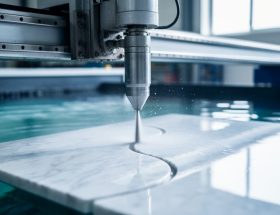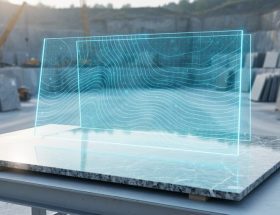

In the heart of modern sculpture, where ancient craftsmanship meets cutting-edge technology, robotic stone carving is revolutionizing how we shape the world’s most enduring material. Computer-guided robots now transform massive blocks of marble, granite, and limestone into intricate masterpieces with unprecedented precision and efficiency. These mechanical artisans work tirelessly, wielding diamond-tipped tools to execute complex designs that once took master craftsmen months or years to complete.
The marriage of traditional stone masonry with advanced robotics represents more than just technological progress—it’s reshaping the economics and possibilities of architectural stone work. From replicating historic ornaments for restoration projects to creating bold new designs that push the boundaries of what’s possible, robotic stone carving systems are enabling architects and designers to think bigger while maintaining exacting standards of quality.
As these systems become more sophisticated, incorporating artificial intelligence and machine learning, they’re not replacing human craftsmen but rather augmenting their capabilities. The result is a new renaissance in stone architecture, where the timeless beauty of natural stone meets the infinite possibilities of digital design and robotic precision.
The Evolution of Stone Carving Technology

Traditional Stone Carving Methods
Stone carving has been a cornerstone of human civilization for thousands of years, with the earliest evidence dating back to ancient Egyptian and Mesopotamian cultures. Traditional stone carvers relied on a set of hand tools that remained largely unchanged for centuries: mallets, chisels, points, and pitching tools. These craftsmen would begin by roughing out the basic shape using points and pitching tools, gradually working their way to finer details with specialized chisels.
The process was highly labor-intensive, requiring years of apprenticeship to master. Carvers would study the natural grain and composition of each stone, working with its inherent characteristics rather than against them. They developed techniques like split-face texturing, bush hammering, and fluting to create different surface finishes and decorative effects.
During the Renaissance, master craftsmen refined these techniques further, creating intricate sculptures and architectural elements that still stand today. Their methods involved careful measurement, template making, and a deep understanding of geometry and proportion. These traditional techniques continue to influence modern stone working, though they’re increasingly complemented by technological advances.
The Rise of CNC and Robotic Systems
The integration of Computer Numerical Control (CNC) machines and robotic systems has revolutionized the stone carving industry, marking a significant shift from traditional hand-crafting methods. These automated systems have become essential components in modern stone fabrication facilities, complementing existing custom stone fabrication technologies while maintaining precision and consistency.
CNC machines utilize computer-programmed instructions to control cutting tools, allowing for intricate designs and patterns that would be challenging to achieve manually. These systems can operate continuously, significantly reducing production time while maintaining exceptional accuracy. Modern robotic arms equipped with specialized tools can perform various tasks, from rough cutting to fine detailing, adapting to different stone types and project requirements.
The advancement of these automated systems has not only improved productivity but also expanded creative possibilities. Architects and designers can now realize complex geometric patterns and sophisticated dimensional designs that were previously impractical or impossible to execute. This technological evolution has made high-quality stone craftsmanship more accessible while preserving the material’s natural beauty and structural integrity.
How Robotic Stone Carving Works
Key Components of Robotic Carving Systems
Modern robotic stone carving systems consist of three essential components working in harmony: advanced hardware, sophisticated software, and specialized tooling. The hardware backbone typically includes a multi-axis robotic arm, precision positioning systems, and robust control units capable of executing complex carving operations with remarkable accuracy.
The software component combines computer-aided design (CAD) and computer-aided manufacturing (CAM) systems, allowing seamless translation of digital designs into machine instructions. These systems integrate with AI-powered design visualization tools, enabling previews of finished work before cutting begins. Advanced simulation software also helps optimize tool paths and prevent potential errors during carving.
The tooling assembly comprises various end-effectors and cutting implements, including diamond-tipped tools, abrasive wheels, and specialized bits designed for different stone types and finishing requirements. Water cooling systems are integrated to manage heat and dust during operation, while sophisticated tool changers allow for automatic switching between different cutting implements.
Safety features form another crucial component, including emergency stop systems, collision detection, and environmental controls for dust management. Advanced sensors monitor tool wear, cutting forces, and position accuracy throughout the carving process.
The control interface ties these components together, providing operators with real-time feedback and precise control over carving parameters. Modern systems often include remote monitoring capabilities and data logging features for quality control and process optimization, ensuring consistent results across multiple projects.

The Carving Process
The robotic stone carving process combines precision technology with traditional stone masonry principles. It begins with digital design preparation, where 3D models or CAD drawings are converted into machine-readable instructions through specialized software. These instructions guide the robot’s movements and cutting paths with millimeter accuracy.
Before carving begins, the stone block is securely mounted on the machine bed and carefully positioned. Advanced scanning systems verify the block’s dimensions and position, ensuring perfect alignment with the programmed design. The robot then selects appropriate tools from its automated tool-changing system, which may include diamond-tipped saws, grinding wheels, and various finishing tools.
The actual carving process typically follows three main stages. First, the rough cutting phase removes large portions of material using robust cutting tools, establishing the basic form. Next, the secondary cutting phase refines the shape with more precise tools, creating more detailed features. Finally, the finishing phase uses specialized tools to achieve the desired surface texture and smoothness.
Throughout the process, integrated cooling systems spray water to control dust and prevent tool overheating. Sophisticated sensors continuously monitor the cutting forces and tool wear, automatically adjusting the cutting speed and depth to maintain optimal results. The robot can work continuously for hours, maintaining consistent quality across complex geometrical patterns and intricate designs that would be challenging to achieve by hand.
Modern robotic systems can also perform real-time quality checks, comparing the carved surface to the original 3D model and making micro-adjustments as needed. This ensures the final product matches the design specifications with exceptional accuracy.
Benefits and Applications
Precision and Consistency
Robotic stone carving systems excel in achieving remarkable precision and consistency that surpass traditional manual carving methods. These automated systems can maintain accuracy down to fractions of a millimeter, ensuring each cut and detail exactly matches the digital design specifications. Through advanced computer numerical control (CNC) technology, robots execute identical patterns and shapes repeatedly without variation or fatigue.
The precision comes from sophisticated sensor systems and real-time positioning feedback that constantly monitor and adjust the robot’s movements. Multi-axis robotic arms can approach the stone from various angles, maintaining consistent pressure and cutting depth throughout the process. This level of control ensures smooth, uniform surfaces and precise geometric patterns that would be extremely challenging to achieve by hand.
Modern robotic carving systems can also compensate for material variations and tool wear automatically. They continuously measure the stone’s surface and adjust their movements accordingly, ensuring consistent results even across different stone types and densities. This adaptability, combined with pre-programmed quality control parameters, virtually eliminates human error and reduces waste material.
For architectural projects requiring multiple identical elements, such as ornamental columns or decorative panels, robots can produce perfectly matched pieces time after time. This consistency is particularly valuable in restoration work, where new elements must precisely match historical components, or in large-scale projects requiring numerous identical pieces.
Time and Cost Efficiency
The implementation of robotic stone carving systems offers significant economic advantages over traditional manual carving methods. A single robotic system can operate continuously for extended periods, completing intricate stone projects in a fraction of the time required by human craftsmen. Studies have shown that robotic carving can reduce production time by up to 70% for complex architectural elements and decorative pieces.
Cost savings emerge from multiple factors. The increased speed of production allows companies to handle more projects simultaneously, improving overall throughput and revenue potential. Labor costs decrease substantially, as one operator can supervise multiple robotic systems simultaneously. While the initial investment in robotic technology is considerable, the return on investment typically occurs within 2-3 years for businesses with regular stone carving demands.
Material waste reduction is another crucial economic benefit. Robotic systems utilize advanced scanning and modeling technology to optimize stone usage, reducing waste by up to 40% compared to traditional methods. This efficiency not only saves on material costs but also aligns with sustainable manufacturing practices.
For custom projects, robotic systems can quickly adapt to new designs without requiring extensive retooling or training periods. This flexibility allows stone fabricators to take on diverse projects while maintaining consistent quality and predictable production timelines, ultimately leading to improved client satisfaction and business growth.
Complex Design Capabilities
Robotic stone carving systems have revolutionized the possibilities in architectural and artistic stone design, pushing boundaries that were previously limited by manual craftsmanship. These advanced systems can execute intricate patterns, complex geometric shapes, and detailed sculptural elements with unprecedented precision and consistency.
Modern robotic carving combines sophisticated 3D visualization technology with multi-axis robotic arms, enabling the creation of designs that would be extremely challenging or impossible to achieve through traditional methods. The systems can seamlessly translate digital designs into physical stone forms, maintaining absolute fidelity to the original concept while accommodating natural stone variations.
These capabilities extend to creating compound curves, undercuts, and nested geometric patterns that maintain perfect symmetry across large surfaces. Robotic systems can also perform variable-depth carving, producing subtle relief effects and complex textures that add dimensional interest to stone surfaces. The technology excels at repeating intricate patterns across multiple stone pieces while ensuring precise alignment and consistency.
The design flexibility allows architects and designers to explore innovative stone applications, from complex facade elements to custom architectural features. The precision of robotic carving also enables the creation of interlocking stone components, modular designs, and perfectly matched stone pieces for seamless installations.

The Future of Stone Masonry Automation
The landscape of stone masonry is undergoing a dramatic transformation as technological innovations continue to reshape traditional craftsmanship. Industry experts predict that the integration of artificial intelligence and machine learning will further enhance the capabilities of robotic stone carving systems, enabling even more intricate designs and precise execution.
One of the most promising developments is the convergence of various advanced stone fabrication methods, including hybrid systems that combine robotic carving with 3D printing technologies. These innovations are expected to revolutionize both large-scale architectural projects and fine artistic works.
Emerging trends include the development of more sophisticated sensor systems that can detect and adapt to variations in stone composition, ensuring optimal cutting parameters and reduced waste. Smart tooling systems with real-time feedback mechanisms are becoming increasingly common, allowing for automatic adjustments during the carving process.
Environmental considerations are also driving innovation in the field. New robotic systems are being designed with improved energy efficiency and dust management capabilities. Water recycling systems and eco-friendly cutting solutions are becoming standard features in modern stone fabrication facilities.
The integration of virtual and augmented reality technologies is expected to transform the design and previsualization process. Architects and designers will be able to interact with virtual stone models in real-time, making adjustments before the actual carving begins. This capability will significantly reduce errors and improve project outcomes.
As these technologies mature, we can expect to see more accessible and user-friendly interfaces, making robotic stone carving systems more approachable for smaller workshops and artisans. This democratization of technology will help preserve traditional stone craftsmanship while embracing modern efficiency and precision.
Looking ahead, the industry is moving toward fully automated production lines that can handle everything from initial stone selection to final finishing, while maintaining the artistic integrity that has always been central to stone masonry.
Robotic stone carving represents a transformative force in the natural stone industry, bridging traditional craftsmanship with modern technology. By combining precision automation with artistic capability, these systems have revolutionized production efficiency while maintaining exceptional quality standards. The technology continues to evolve, with improvements in AI and machine learning promising even greater capabilities in replicating complex designs and traditional carving techniques. As costs decrease and accessibility increases, we can expect to see wider adoption across both large-scale manufacturing operations and smaller architectural studios. This technological advancement doesn’t signal the end of traditional stone carving, but rather opens new possibilities for innovation while preserving the timeless appeal of natural stone. The future of stone fabrication lies in this harmonious blend of artisanal expertise and robotic precision, ensuring the continued evolution of this ancient craft in our modern world.